
Huawei used its “Now is Your Run” launch event in Madrid on February 26 to present a broad slate of hardware, led by the Mate 80 Pro smartphone. The event marked another step in the company’s effort to rebuild its presence in international markets after several years of restricted access to key components and software partnerships.
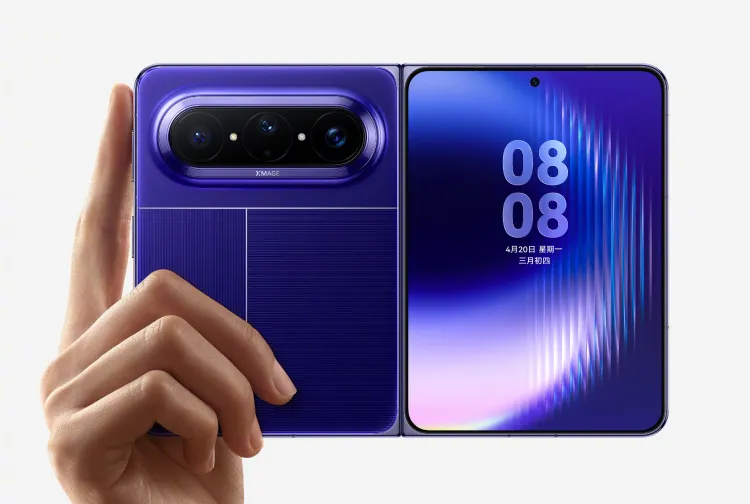
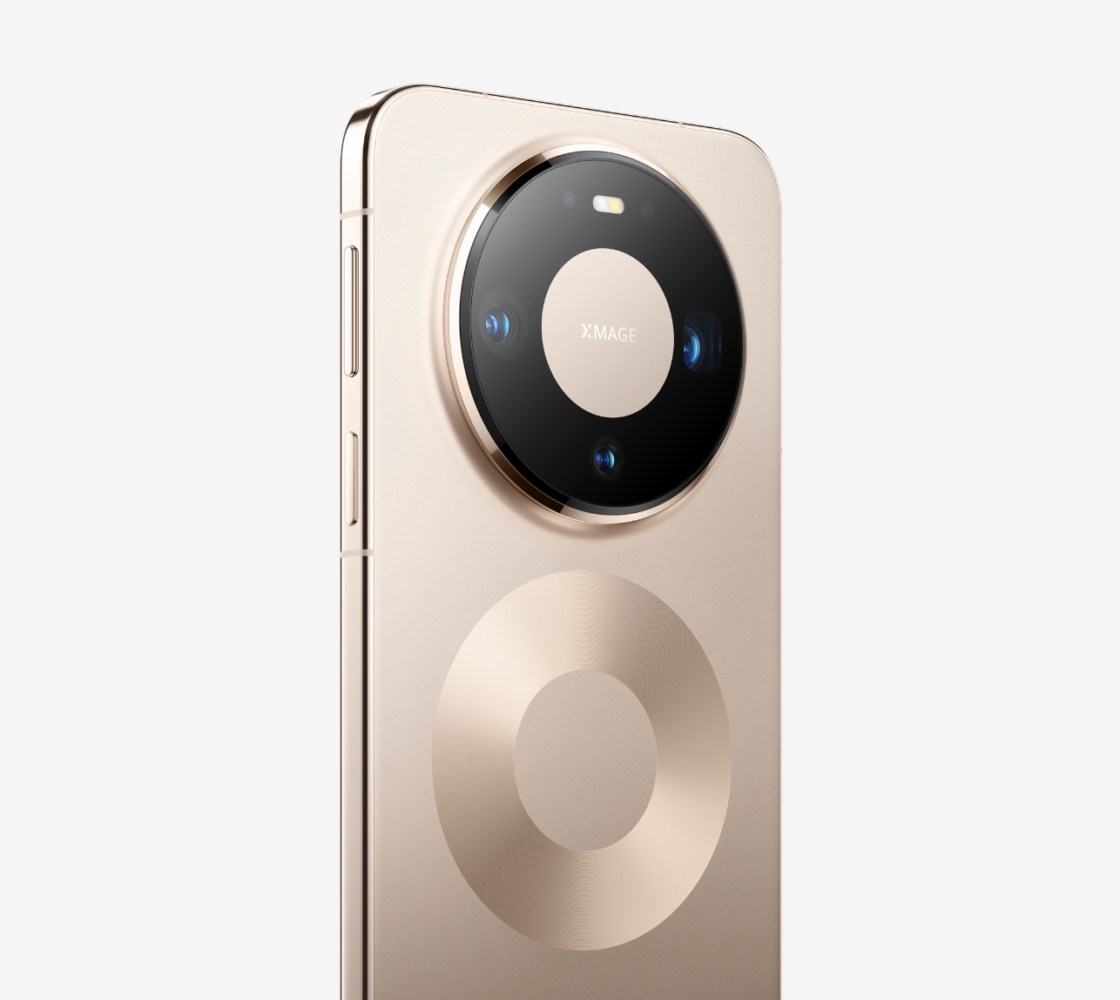
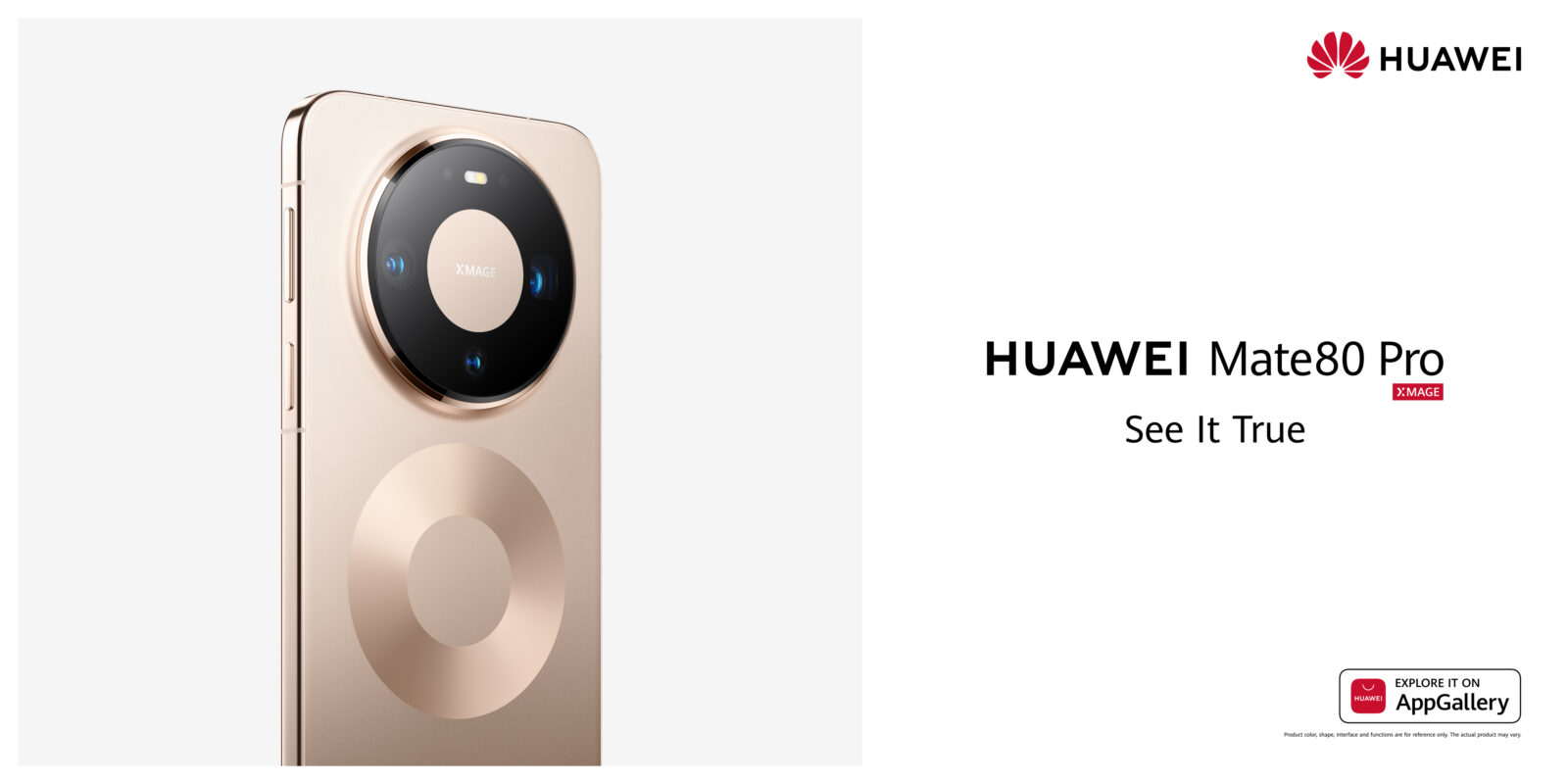
The Mate 80 Pro anchors the refreshed Mate lineup. It introduces an updated True-to-Color camera system designed to maintain consistent color balance across mixed lighting conditions. Huawei says the system is tuned to better handle complex color temperatures, a common challenge for smartphone photography. The device also features second-generation Kunlun Glass for added durability and a redesigned rear housing built around what the company calls a Dual Space Ring aesthetic. Performance improvements and expanded AI-driven features are also part of the package, although Huawei did not disclose full chipset details at the event.
Beyond smartphones, Huawei expanded its wearables portfolio.
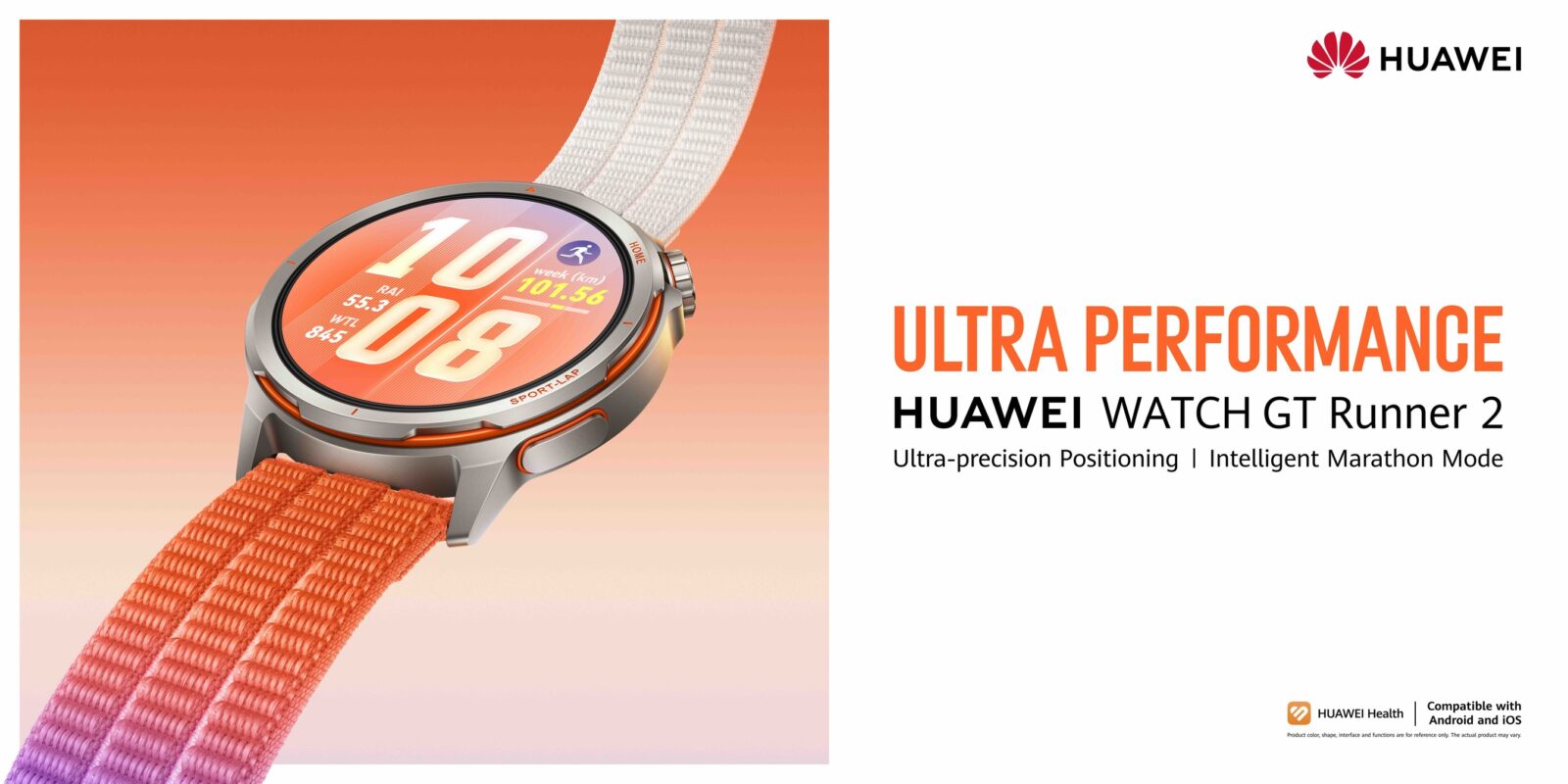
The HUAWEI WATCH GT Runner 2 marks the company’s return to the dedicated running watch segment after a five-year gap. The device introduces a 3D floating antenna architecture intended to improve GPS positioning accuracy. Huawei says its updated positioning algorithm can estimate distance and trajectory during temporary signal loss, which is particularly relevant in dense urban areas or tunnels. A new marathon mode is designed to provide pacing and race management tools for long-distance runners.
Two-time Olympic marathon champion Eliud Kipchoge was introduced as a global ambassador for the watch. At the event, he discussed contributing feedback to the product’s development, positioning the device as suitable for both competitive athletes and recreational runners.
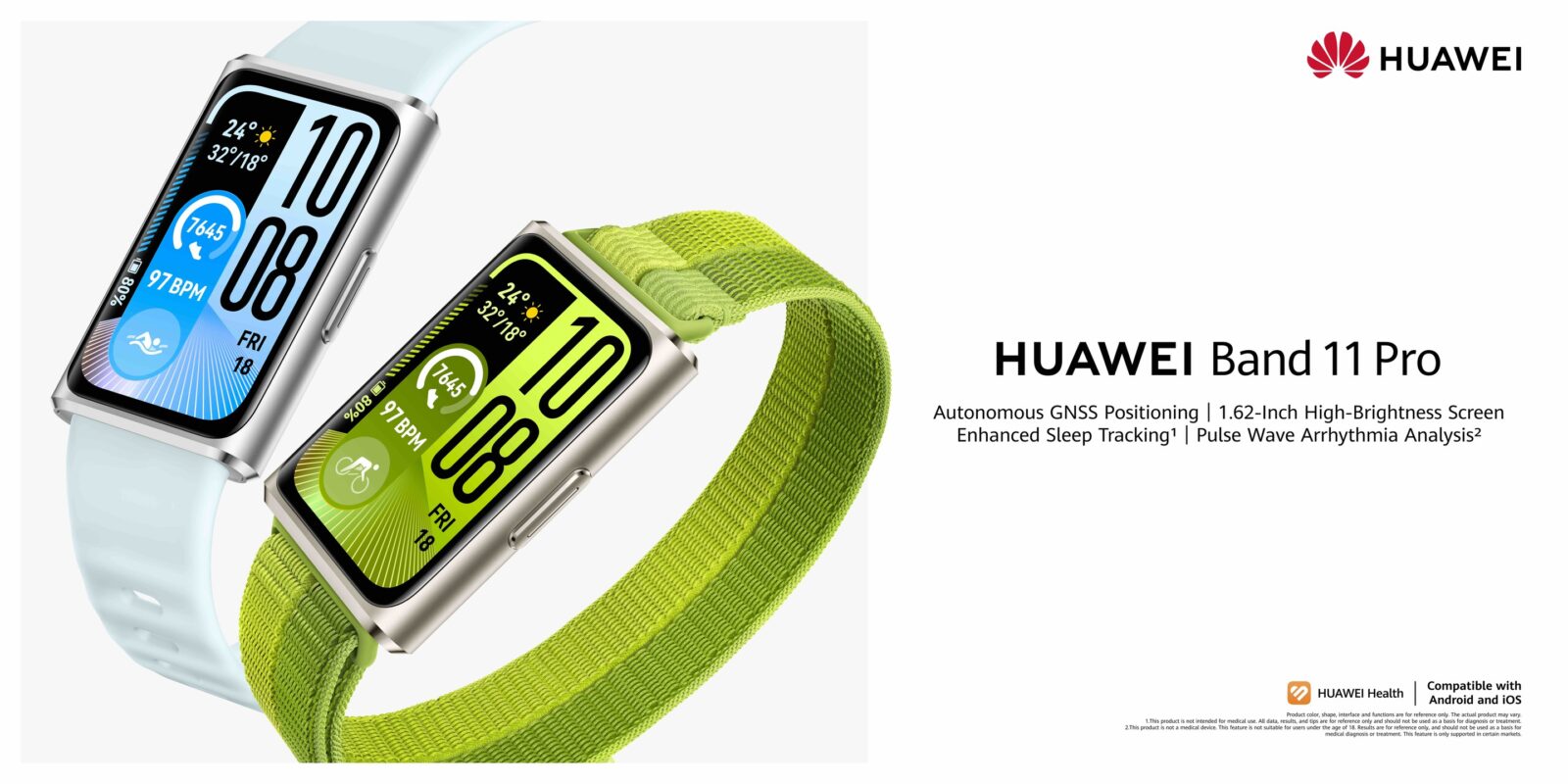
Huawei also revealed the HUAWEI WATCH Ultimate 2 in a new green finish, maintaining its focus on diving and outdoor sports while adding golf-related features for driving ranges and course play. The HUAWEI Band 11 Series continues the company’s affordable fitness tracker line with a larger display designed for better visibility in bright conditions, along with standard health and activity tracking tools.
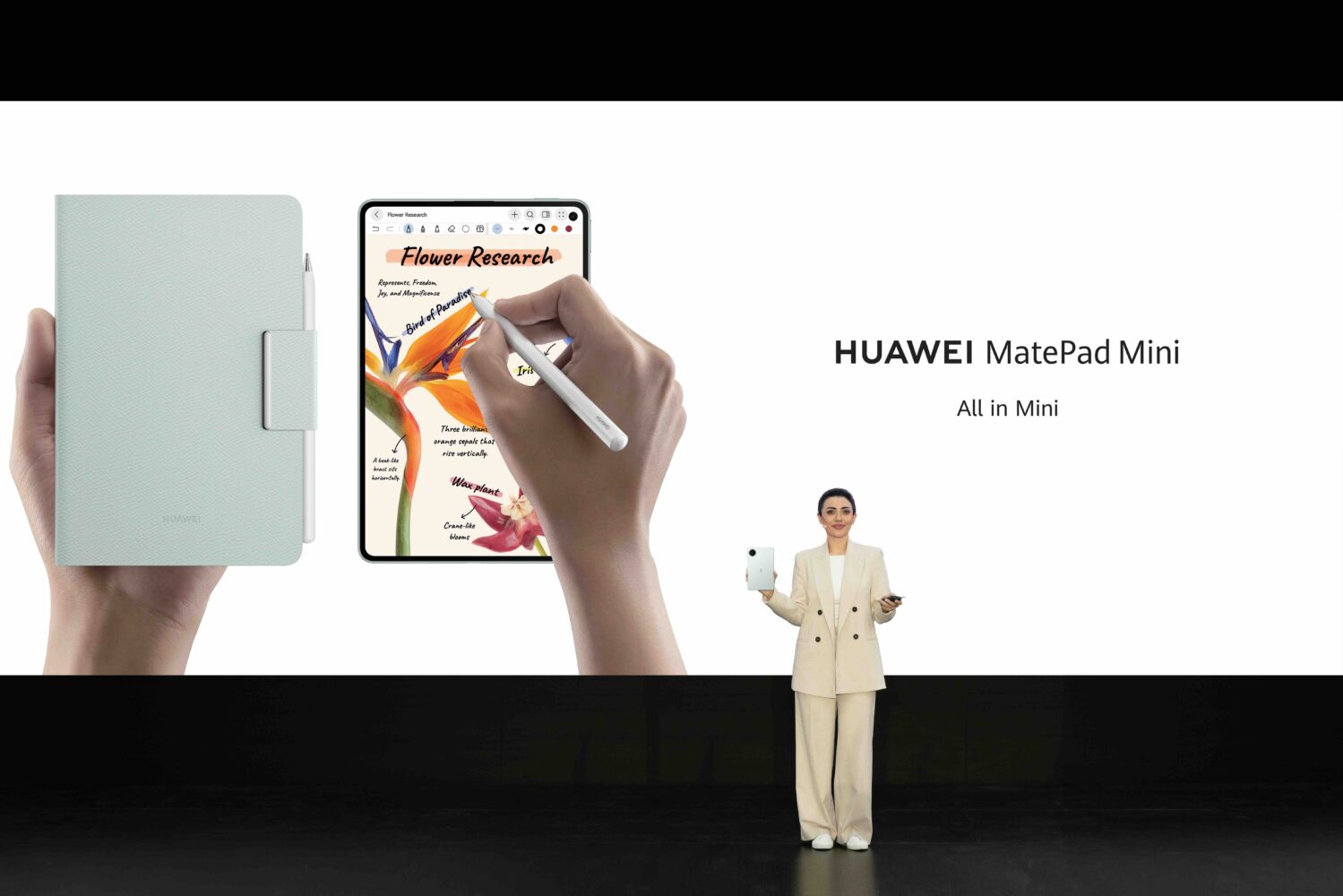
In tablets, Huawei introduced the MatePad Mini, its first device in a smaller 8.8-inch format. The company is positioning it as a portable option for document reading, media consumption, and light productivity tasks. Its compact design aims to differentiate it from larger tablets that prioritize media and multitasking over portability.
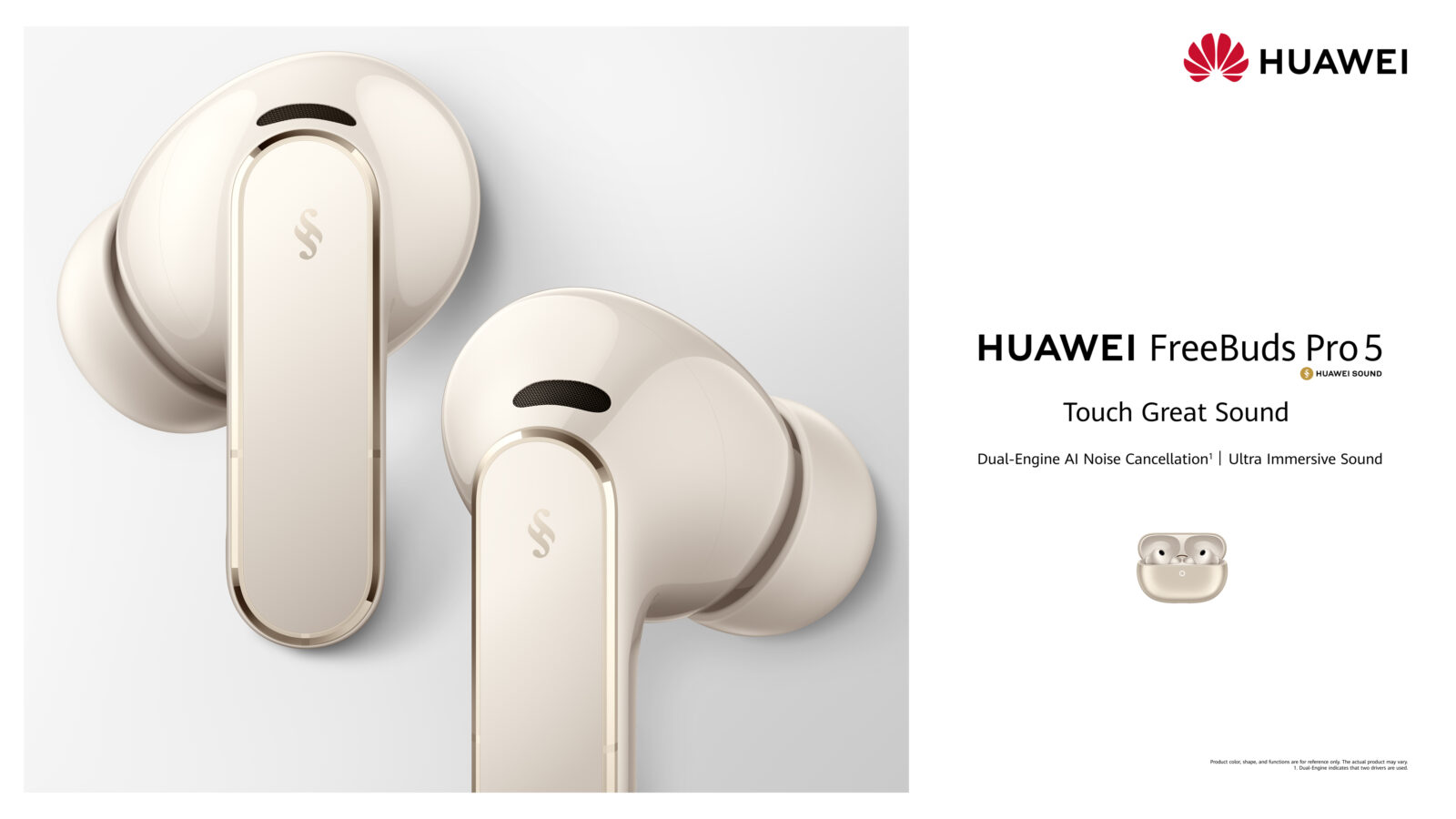
The audio lineup was updated with the FreeBuds Pro 5, which Huawei describes as the first wireless earbuds to feature dual-engine AI noise cancellation. Combined with a dual-driver acoustic system, the earbuds are intended to reduce environmental noise while preserving clarity in voice and music playback.
The Madrid event tied these product launches to Huawei’s broader push around fitness and lifestyle branding. While much of the messaging emphasized accessibility and health-focused technology, the hardware announcements reflect a practical strategy: strengthen core categories such as smartphones, wearables, tablets, and audio devices to compete across multiple price segments.
The Mate 80 Pro and accompanying devices illustrate Huawei’s ongoing effort to maintain technical differentiation, particularly in camera systems, durability materials, and sports tracking. How effectively these products perform outside China will depend on software ecosystem support, app availability, and regional partnerships — factors that continue to shape Huawei’s position in the global smartphone and wearables market.