
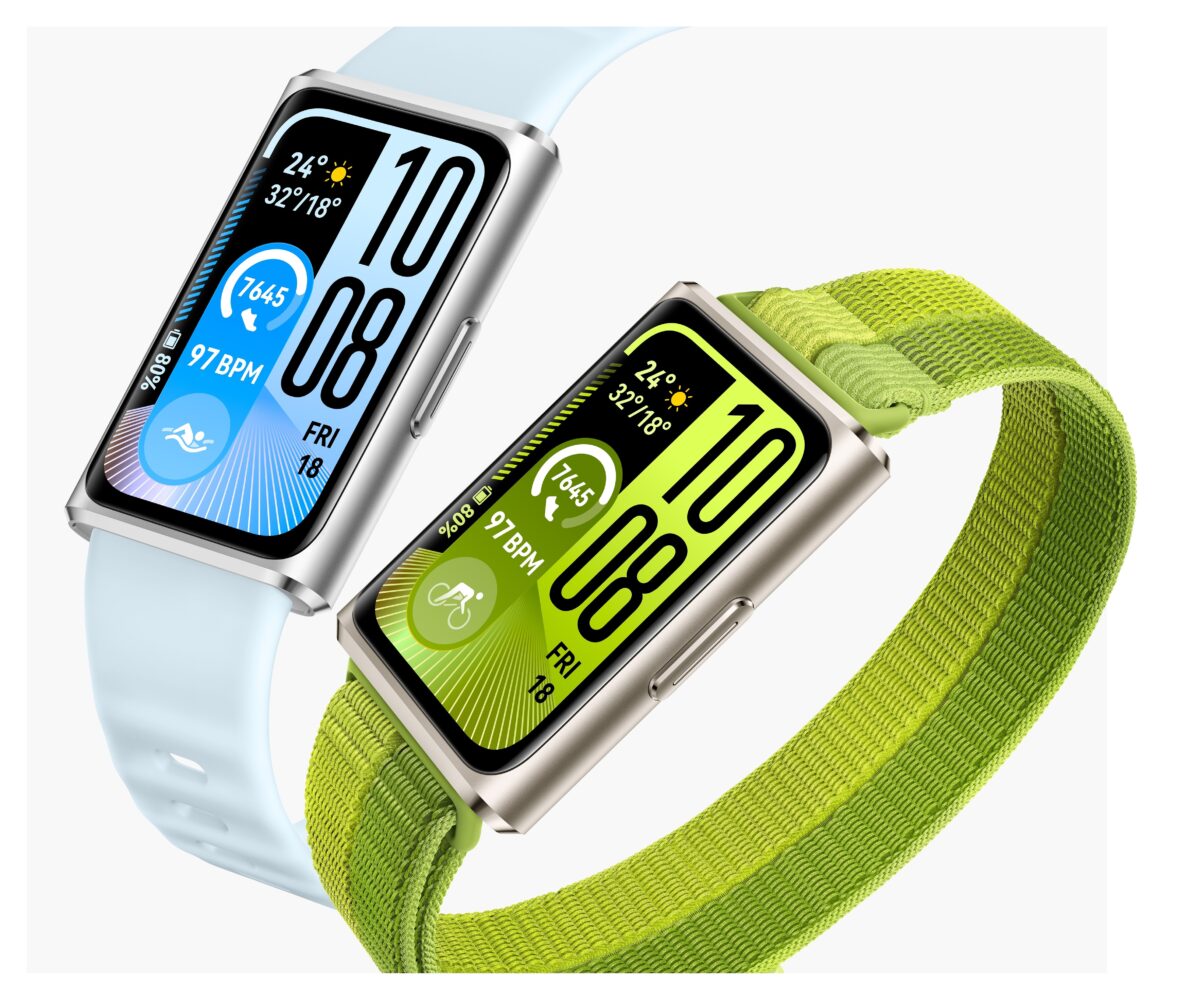
Huawei is positioning the Band 11 Pro as a more capable fitness band rather than a basic step counter, and that distinction matters in a wearable market that has become crowded with lookalike devices and inflated claims. The Huawei Band 11 Pro leans into the growing demand for lighter wearables with better health tracking, improved screen visibility, and software features that try to make daily use feel more practical. The result is a device that appears designed to sit between entry-level fitness trackers and more expensive smartwatches.
One of the most noticeable changes is the display. The Huawei Band 11 Pro uses a 1.62-inch screen that is said to be 27 per cent larger than the previous generation, with peak brightness reaching 2000 nits. On paper, that is a substantial improvement for a category where screen quality is often one of the first compromises. In practical terms, a brighter and larger display should make the band easier to use outdoors, especially during runs, walks, or gym sessions where visibility can quickly become a frustration.
Huawei is also putting considerable emphasis on sleep tracking, which has become one of the main battlegrounds in wearable technology. The Band 11 Pro adds features such as Nap Recap, sleep breathing monitoring, and sleep analysis based on metrics including heart rate, HRV, and SpO2. These tools are clearly aimed at users who want more than surface-level sleep scores. At the same time, this kind of health data is best seen as a guide rather than a substitute for medical evaluation. That is an important distinction often missing from wearable marketing.
The design language is familiar but clearly targeted at users who want something unobtrusive. At 8.99 mm thick, the Huawei Band 11 Pro focuses on being slim, lightweight, and easy to wear throughout the day. The company is also leaning on style, with multiple colour options and strap variations intended to make the device feel less clinical and more personal. That matters because fitness bands increasingly compete not just on function, but on whether users are willing to keep them on all day.
On the fitness side, the Huawei Band 11 Pro supports more than 100 workout modes, with auto-detection for several common activities including walking, running, elliptical sessions, and rowing. Features such as auto-pause for outdoor running and cycling are useful additions, even if they are no longer unusual in this category. They help improve the accuracy of workout records and reduce the need for manual adjustments later.
Huawei is also expanding into emotional wellbeing features, offering mood-related insights based on ongoing analysis. That reflects a wider industry trend in which wearables are trying to cover not just activity and recovery, but also stress and emotional state. Whether users find these tools genuinely helpful will depend on how accurate and actionable they prove to be in real life.
Overall, the Huawei Band 11 Pro looks like an attempt to make the fitness band category feel more mature. It offers a stronger display, broader health tracking, and a lighter design without drifting too far into smartwatch territory. For users looking for a lightweight wearable with serious health tracking features, the Huawei Band 11 Pro appears to be a more rounded option than many standard fitness bands, though its long-term value will depend on how reliable its data and software experience turn out to be.