

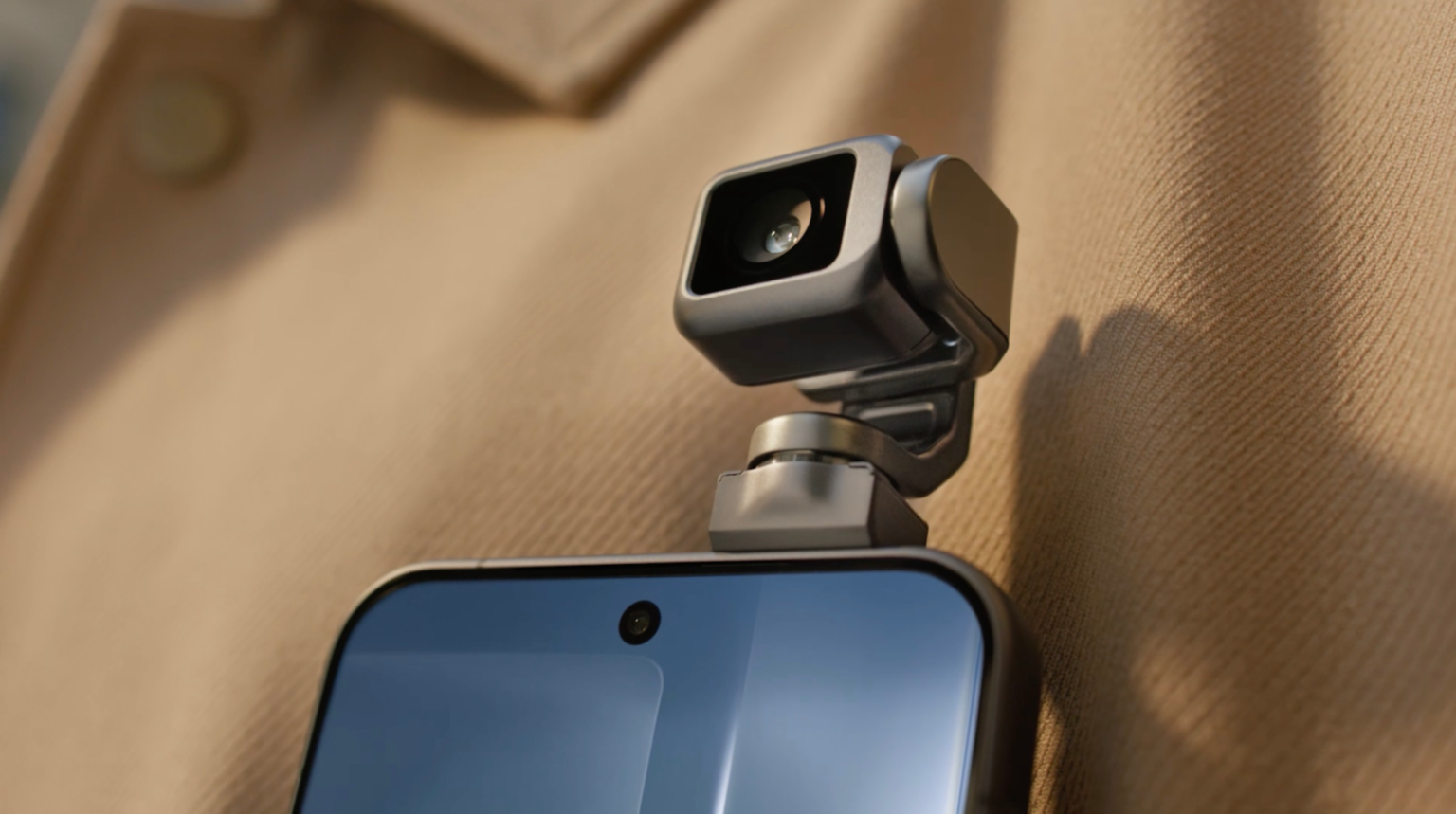
Honor has shared new details about its so-called “robot phone,” a concept device built around a motorized, moving camera module designed to respond physically to user interaction. The company previewed the device ahead of Mobile World Congress in Barcelona and says it plans to launch it in the second half of the year.
At the center of the design is a 200-megapixel camera mounted on a three-axis gimbal system that can rotate and tilt using an integrated micro motor. Unlike conventional smartphone camera stabilization, which relies primarily on optical image stabilization and software correction, this setup physically moves the camera assembly. Honor says the system offers four degrees of freedom and is engineered using materials similar to those found in its foldable hinge systems, rated at 2,800 MPa tensile strength.
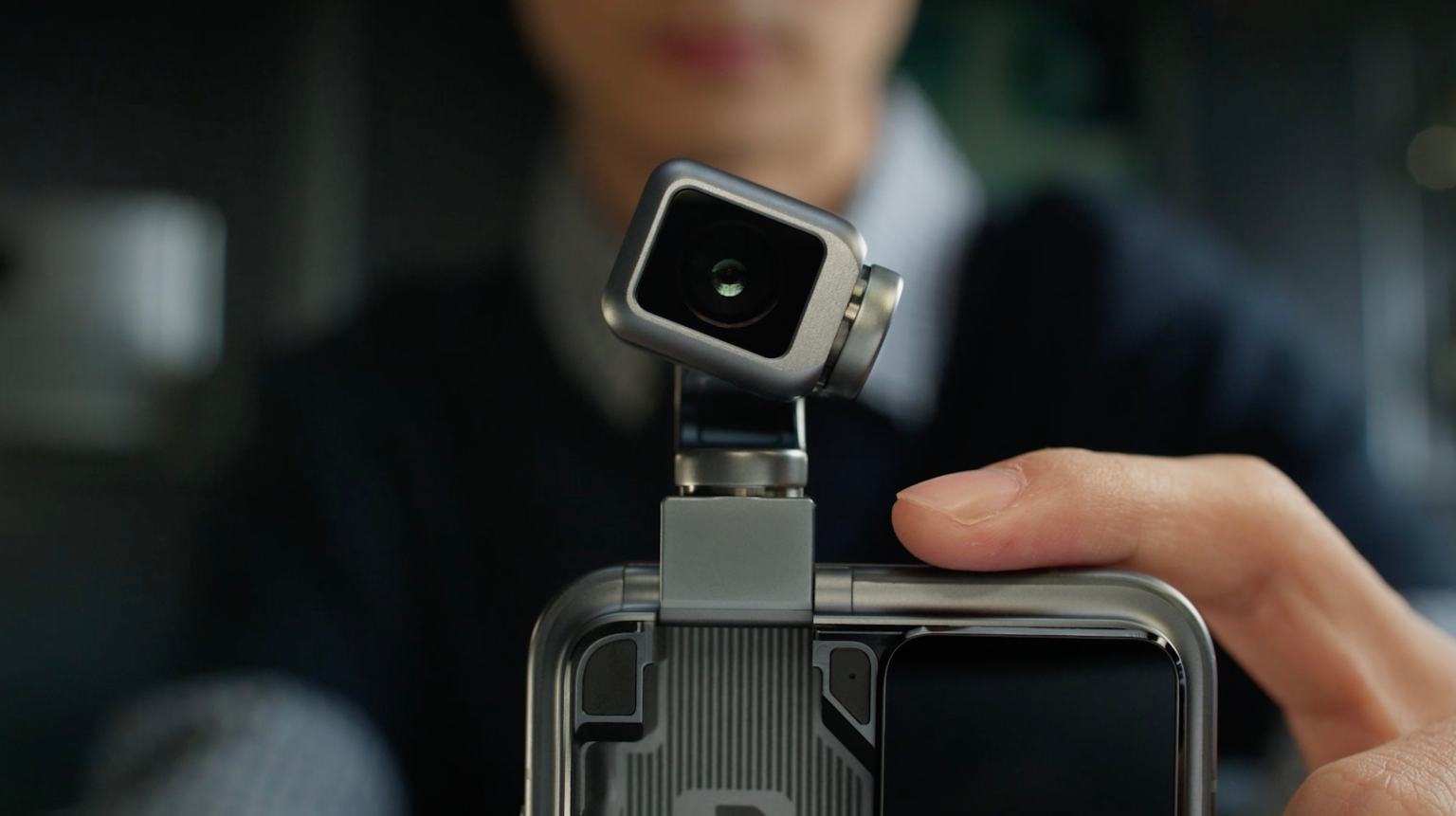
The company claims the robotic camera can automatically adjust framing during video recording and video calls using AI-based subject tracking. In theory, this would allow the phone to follow a person as they move around the frame, similar to Apple’s Center Stage feature on iPads, but with mechanical movement instead of digital cropping. If implemented effectively, that could reduce reliance on ultra-wide lenses while preserving resolution.
Honor is also framing the device as more than just a camera experiment. The motorized module is designed to “react” to user input, including nodding or shaking in response to questions. In demonstrations, the camera housing tilts to simulate gestures, such as suggesting outfit choices when prompted by voice or text. The device can also move rhythmically to music playback, a feature that appears aimed more at novelty and differentiation than practical function.
On the video side, Honor says the camera supports a Super Steady mode and a feature called Spinshot, which rotates the module by 90 or 180 degrees to capture stylized footage. While smartphone makers have steadily improved computational photography, this approach revisits hardware-based movement as a way to achieve more dynamic shots. Whether consumers see this as a meaningful upgrade or a mechanical complication remains to be tested.

Engineering a moving camera inside a slim smartphone body presents durability challenges. Honor says it applied techniques from its foldable devices to reinforce the structure and house the motor system without excessive bulk. Long-term reliability, particularly with dust exposure and repeated motion, will likely be a key concern once the phone reaches real-world use.
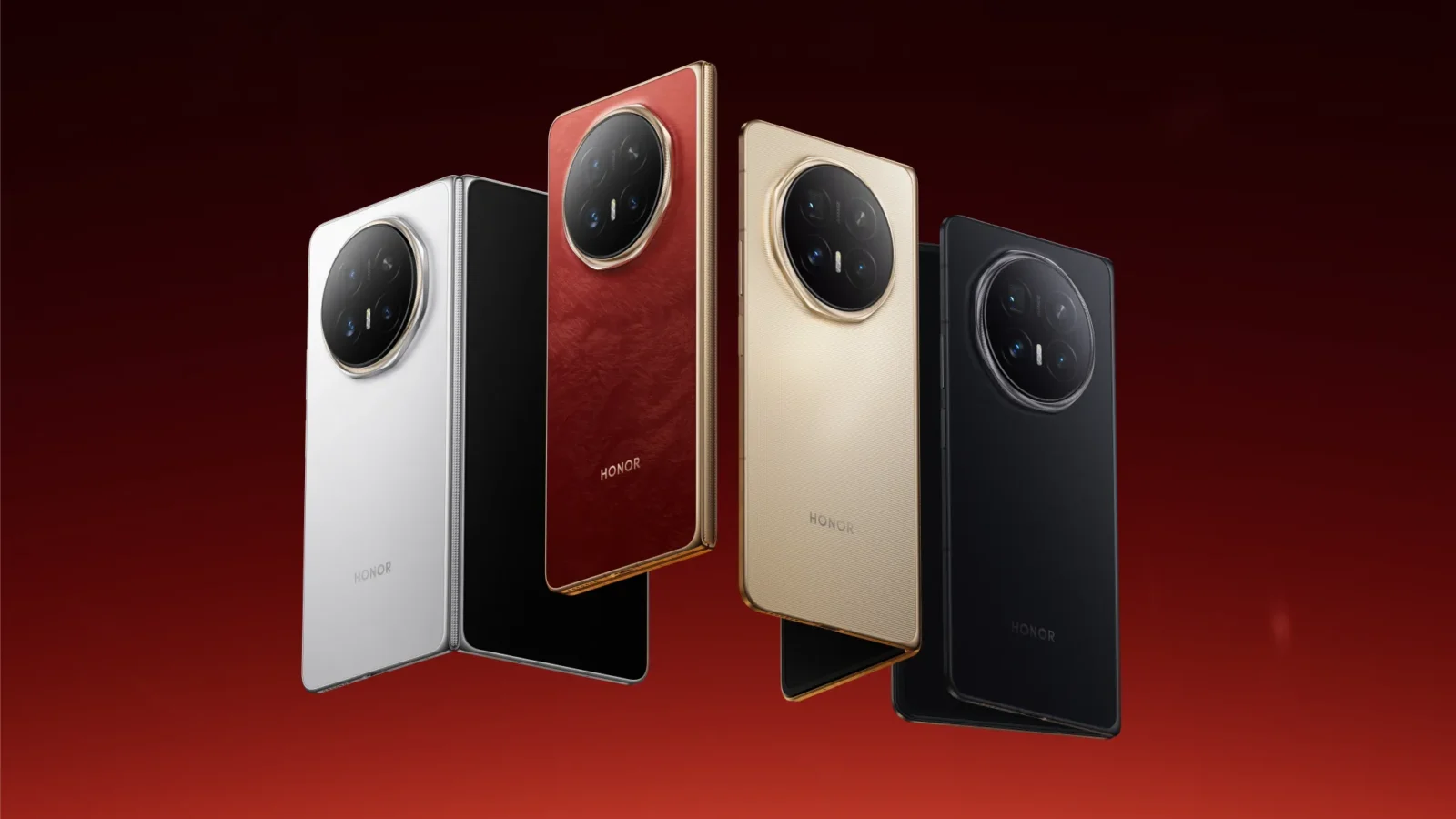
The “robot phone” arrives alongside other announcements from the company, including the Honor Magic V6 foldable, the Honor MagicPad 4 tablet, and the Honor MagicBook 14 laptop. Together, the lineup suggests a push to differentiate hardware through mechanical experimentation at a time when most smartphone innovation centers on software and AI features.
For now, the robot phone stands out primarily as an attempt to rethink how smartphone cameras physically behave. Whether users view a moving, expressive camera module as a useful evolution or a short-lived novelty will depend on how well the system performs outside staged demonstrations.