

At CES 2026, Govee is outlining a broader shift in how it sees smart lighting fitting into everyday homes. Rather than positioning lights purely as app-controlled accessories, the company is pushing toward systems that adapt automatically to time of day, context, and user intent. That direction is reflected both in three new lighting products previewed at the show and in a set of underlying platform updates that will shape future releases.
At the software and platform level, Govee is introducing three core technologies: LuminBlend+, AI Lighting Bot 2.0, and DaySync. These are not tied to a single product, but instead define how upcoming Govee lights handle color accuracy, personalization, and daily lighting rhythms.
LuminBlend+ is an updated color management system built around a higher-precision 16-bit chipset and revised gamma calibration. The goal is to keep colors visually consistent as brightness changes, while also supporting a very wide color temperature range from 1000K to 10000K. That span allows a single fixture to move from candle-like warmth to cool daylight tones without abrupt shifts or visible color artifacts. Govee says the system also improves blending between RGB effects and white light, which has traditionally been a weak spot for decorative smart lighting.
AI Lighting Bot 2.0 expands the role of generative AI inside the Govee Home app. For linear lighting products, users can now refine lighting moods through multi-turn conversations, adjusting tone, color, and behavior in a more conversational way instead of relying solely on presets. For pixel-based and graphic lights, the system can generate animated effects from simple text prompts, reducing the technical effort needed to create custom visuals while keeping everything managed within the app.
DaySync focuses on time-aware lighting without requiring users to build complex schedules. It uses local sunrise and sunset data to automatically adjust brightness and color temperature throughout the day, aiming to make circadian-style lighting easier to live with. Govee plans to roll DaySync out to new indoor products starting in April 2026.
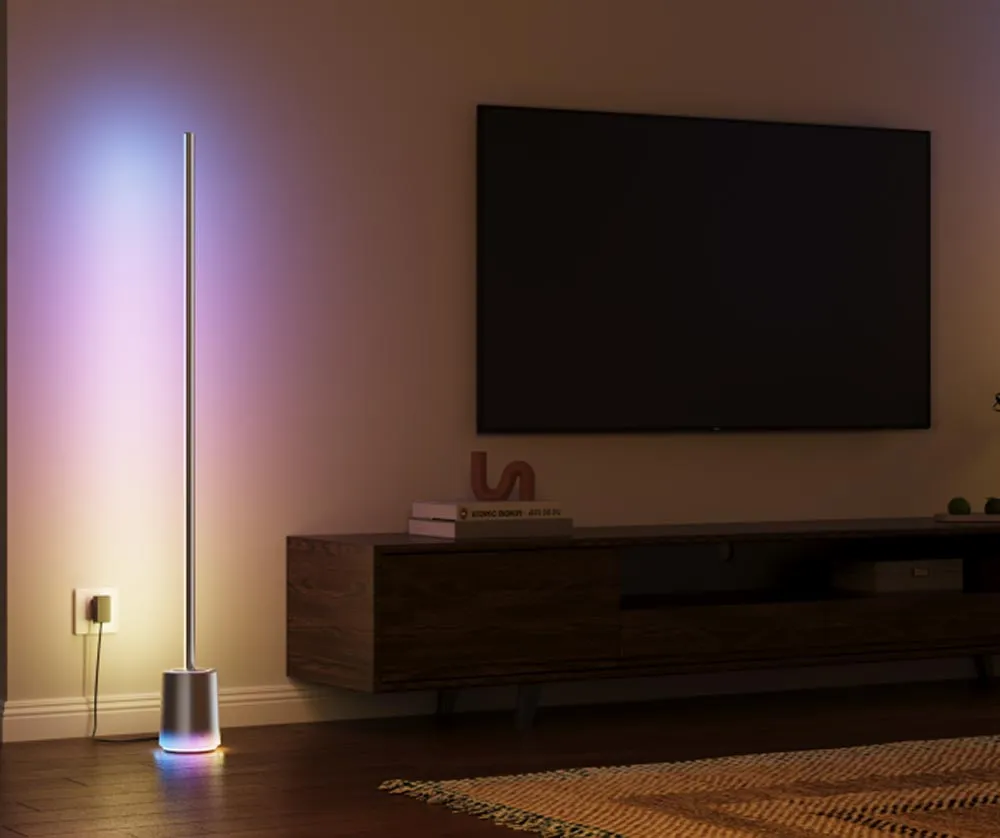
These platform updates debut alongside three new lighting products, each applying the technologies in different ways. The Govee Floor Lamp 3 is positioned as the company’s most advanced floor lamp so far. It combines LuminBlend+, AI Lighting Bot 2.0, and DaySync in a double-sided, sculptural design intended to function as both ambient lighting and a visual focal point. With full coverage of the 1000K–10000K range, it is designed to shift seamlessly between warm, atmospheric light and brighter, task-oriented illumination depending on time of day or user input.
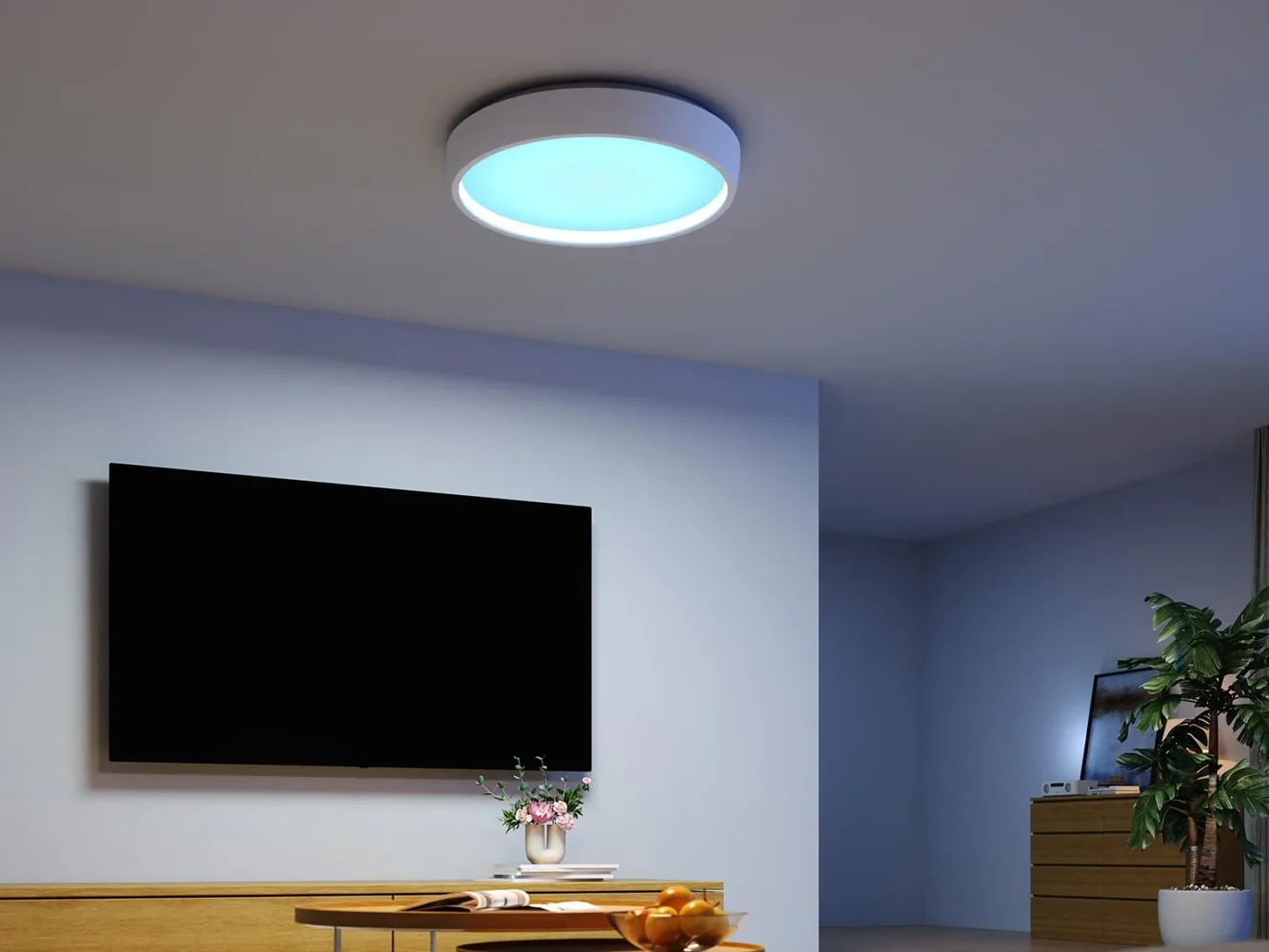
The Govee Ceiling Light Ultra takes a more expressive approach. Built around a 616-pixel LED matrix, it treats the ceiling as a display surface capable of detailed patterns and animations. Advanced DIY tools and AI-generated visuals allow for dynamic effects, while high-brightness, high-CRI white lighting ensures it can still function as a primary ceiling light for everyday living spaces. It is clearly aimed at users who want visual impact without sacrificing practicality.
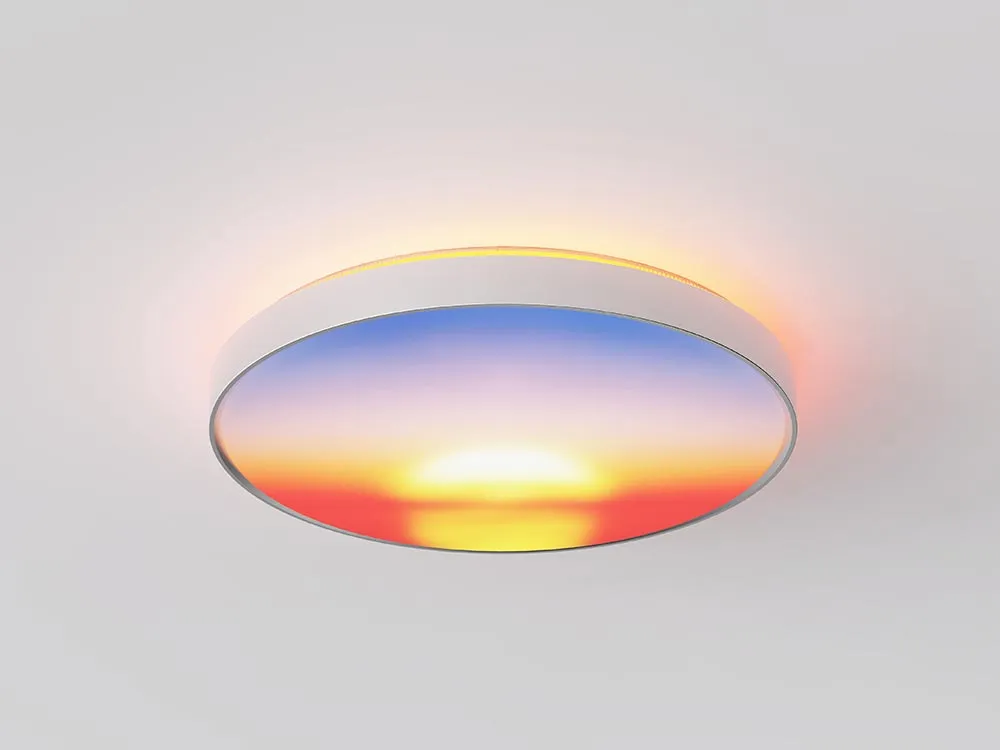
Completing the trio is the Govee Sky Ceiling Light, which focuses on recreating the feel of natural daylight indoors. Using custom LEDs and gradient-based diffusion, it is designed to simulate the progression of daylight, from cooler blue tones to warmer sunset hues. This makes it particularly relevant for rooms with limited or no natural light, where conventional ceiling fixtures can feel flat or harsh.
Beyond individual products, Govee is continuing to expand its ecosystem compatibility. The company confirmed upcoming support for Samsung SmartThings, which will allow tighter integration with other connected devices and routines. Govee also reiterated its commitment to Matter, noting that work is underway to support the latest Matter 1.5 specification, with more details expected later.
Taken together, Govee’s CES 2026 announcements suggest a move toward lighting that is less about manual control and more about adaptation. By combining higher color accuracy, AI-driven personalization, and time-based automation, the company is positioning its lights as systems that respond to daily life rather than just react to commands.