
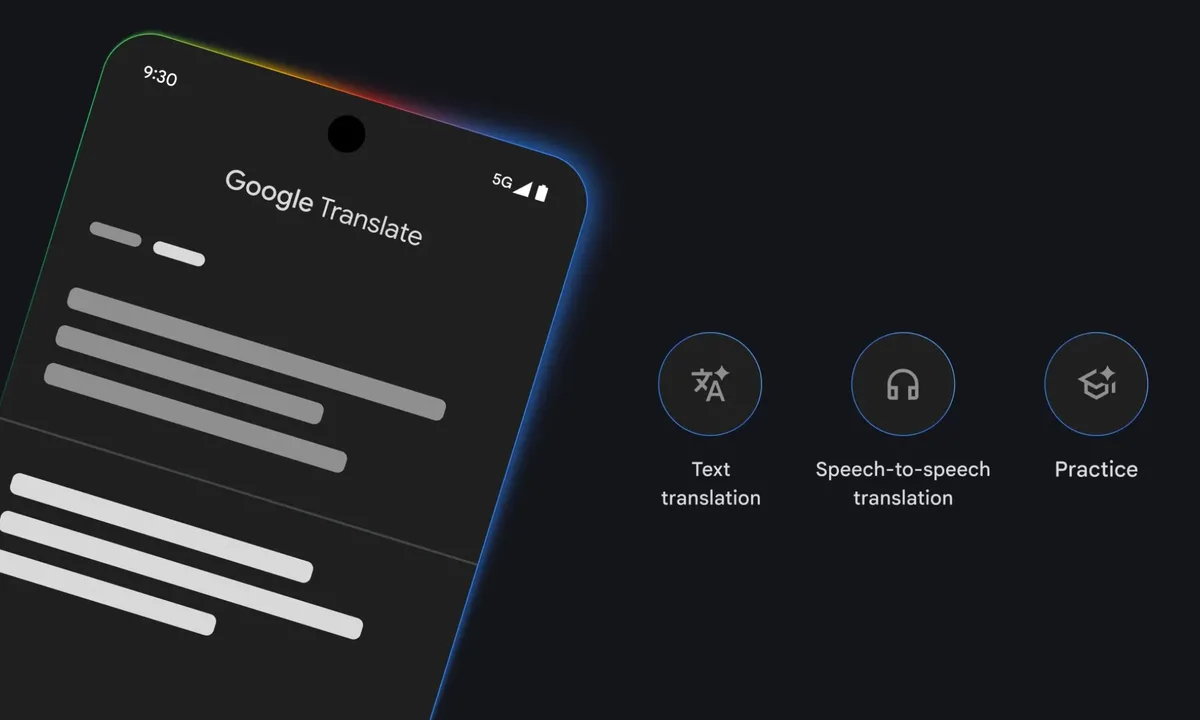
Google is rolling out a substantial update to Google Translate that reflects a broader shift in how the company approaches language tools. Rather than focusing solely on direct word substitution, the service is increasingly designed to interpret meaning, context, and tone. The update is powered by Google’s Gemini AI models and affects text translation, live speech translation, and built-in language learning features.
The most noticeable change is to text translation. Google says Gemini enables Translate to better account for context, idiomatic phrases, slang, and regional usage, producing results that sound more natural than earlier, more literal outputs. In practice, this means sentences are less likely to read as mechanically translated and more likely to resemble how a fluent speaker might phrase the same idea. The company frames this as a move toward translating intent rather than vocabulary alone, an area where machine translation has historically struggled.
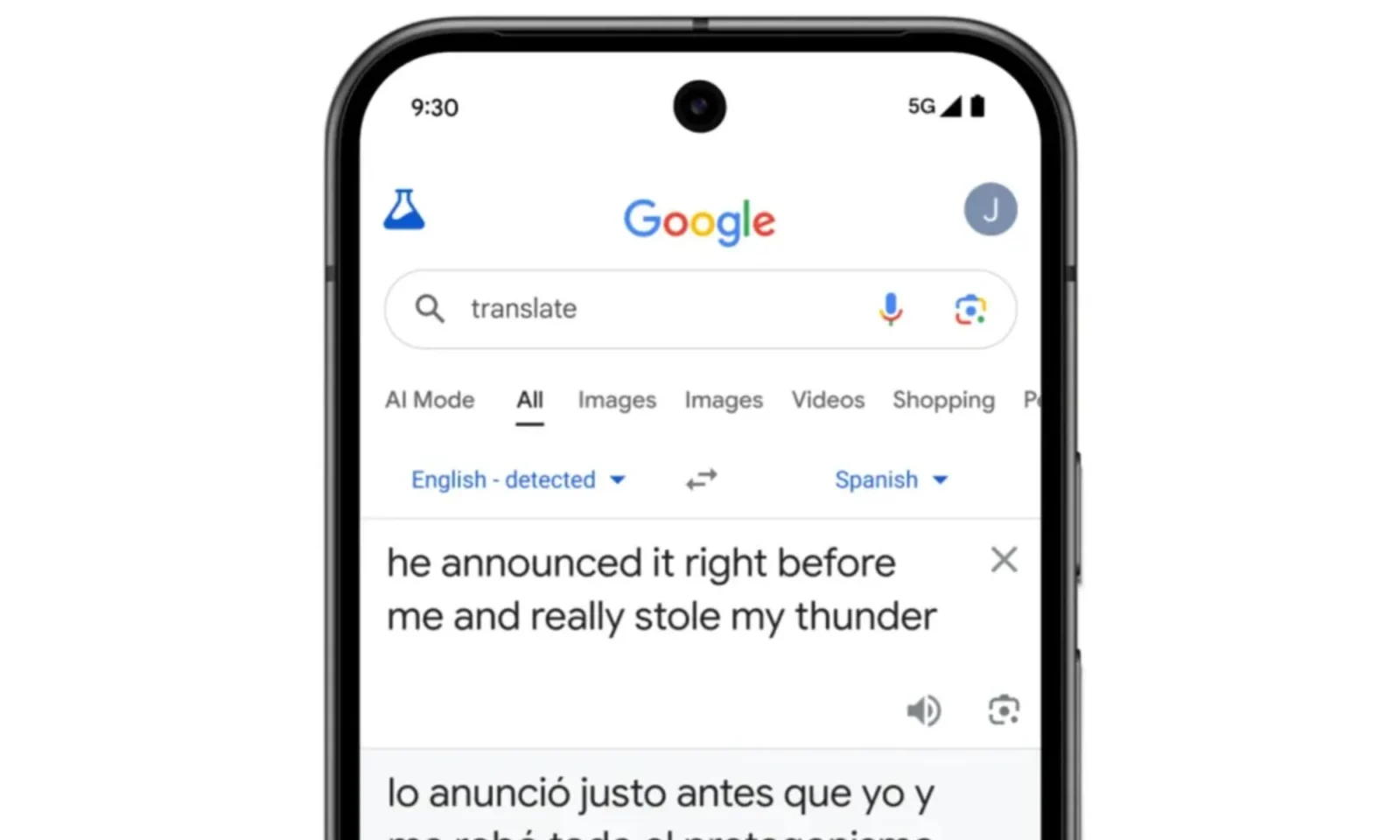
These text translation improvements are beginning to roll out in the United States and India, covering English and nearly 20 other languages, including Spanish, Hindi, Chinese, Japanese, and German. The update is available across Android, iOS, and the web, with Google indicating that broader language and regional support will follow.
Alongside text updates, Google is introducing a beta version of live speech-to-speech translation within the Translate app. This feature uses Gemini’s audio processing capabilities to deliver real-time spoken translations through headphones, allowing users to listen rather than read. Google says the system is designed to preserve elements such as pacing, emphasis, and tone, which are often flattened in conventional speech translation tools. The goal is to make conversations and spoken content easier to follow without constant visual attention to a screen.
The live translation beta is currently available on Android in the United States, Mexico, and India. It supports more than 70 languages and works directly within the Translate app. Google has confirmed that iOS support and wider geographic availability are planned for 2026, suggesting a gradual rollout rather than an immediate global launch.
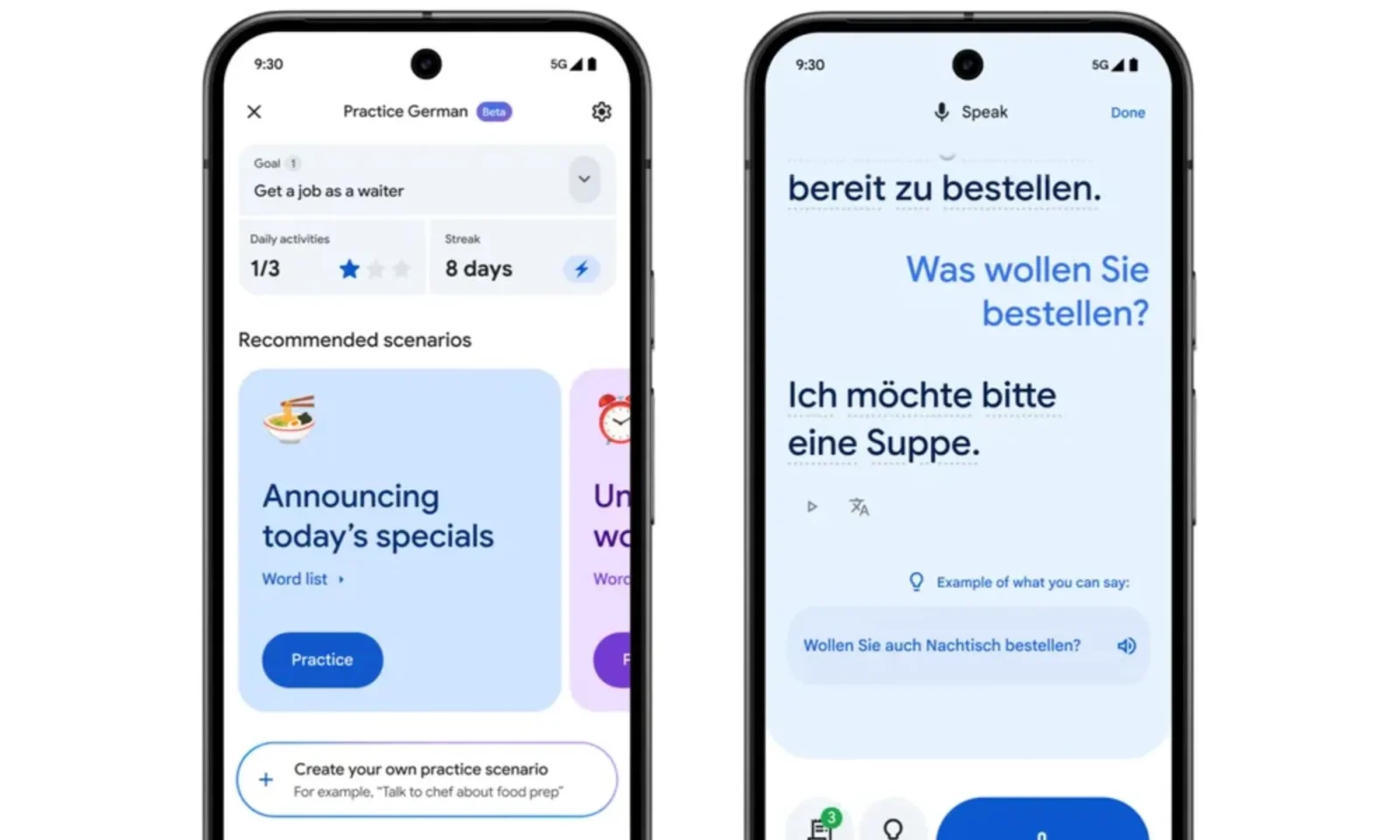
Google is also expanding language learning features inside Translate. Speaking practice now includes more detailed feedback, and users can track progress through streaks designed to encourage regular use. These learning tools are rolling out to nearly 20 additional countries, including Germany, Sweden, India, and Taiwan, and introduce new language pairings such as English to German and Portuguese, as well as multiple languages to English.
Taken together, the update reflects how translation tools are becoming more central to everyday communication, travel, education, and work. While machine translation has long been effective for basic comprehension, it has often failed when faced with cultural nuance or emotionally charged language. By integrating Gemini more deeply, Google appears to be addressing those limitations incrementally rather than promising perfect fluency.
As Google continues to integrate Gemini across its services, Translate is evolving from a simple utility into a broader communication and learning platform. Whether these improvements meaningfully change how people rely on automated translation will depend on real-world performance, but the direction is clear: less emphasis on literal accuracy alone, and more focus on helping users understand what was actually meant.