
Google is expanding the capabilities of Google Translate with a new round of AI-driven features aimed at making translations more context-aware. The update, rolling out to users on Android and iOS, reflects the company’s continued push to embed artificial intelligence more deeply into its core services.
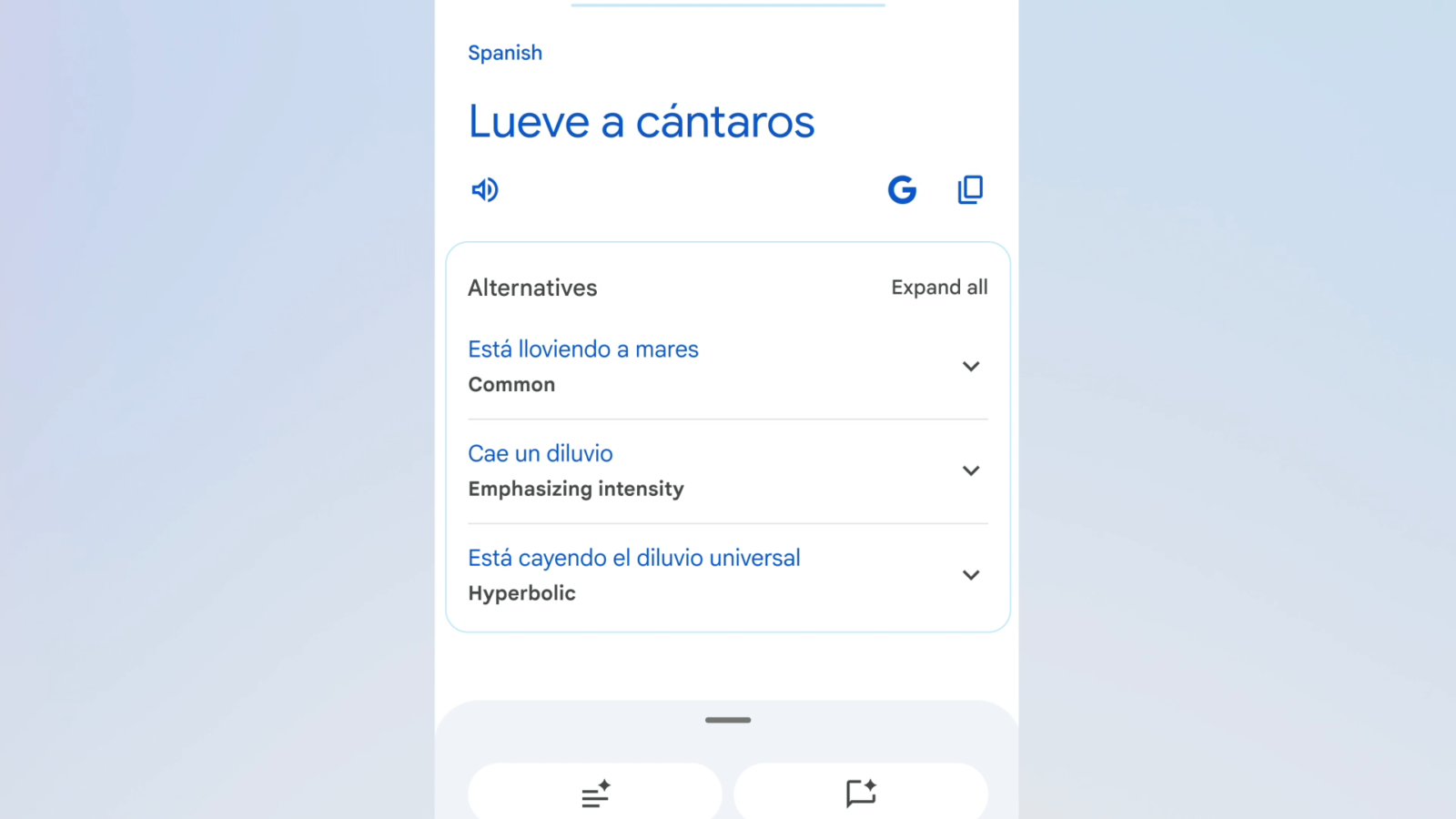
At the center of the update is a more nuanced approach to language suggestions. Instead of offering a single direct translation, Google Translate will now propose alternative phrases that better match conversational context. For example, idiomatic expressions such as “it’s raining cats and dogs” may not translate cleanly into another language. With the new AI-powered suggestions, the app can recommend alternative phrasings that preserve the intended meaning while sounding more natural to native speakers.
This shift addresses a long-standing limitation of machine translation: literal accuracy does not always equal effective communication. By suggesting variations based on tone, setting, or conversational intent, Google Translate moves closer to functioning as a contextual language assistant rather than a simple word-for-word converter.
The update also introduces interactive options labeled “understand” and “ask.” These tools provide additional explanations about regional usage, dialect differences, and cultural nuance. For users navigating unfamiliar languages, this feature could help clarify why certain phrases vary between countries or communities that share the same language. For example, vocabulary differences between European Spanish and Latin American Spanish may be highlighted more clearly within the interface.
While the company has confirmed that these AI enhancements are available on mobile platforms first, it says a web rollout is planned. A specific timeline has not been announced.
The broader context is important. AI in translation has evolved rapidly over the past decade, moving from statistical models to neural machine translation systems capable of capturing more complex patterns in language. Google Translate has been part of that shift, but user expectations have also changed. Many now rely on translation apps not only for travel, but for cross-border communication, business, education, and social media interactions. Context-sensitive suggestions reflect that expanded use case.
That said, the effectiveness of these new Google Translate AI features will likely depend on how accurately the system interprets user intent. Automated suggestions can be helpful, but they also introduce another layer of interpretation that may not always align with what the speaker intends. As with most AI-driven language tools, results may vary depending on phrasing and language pair.
For users searching for improvements to Google Translate AI in 2026, this update represents an incremental but practical step. Rather than reinventing the translation process, Google is refining how translations are delivered—adding flexibility, cultural awareness, and alternative phrasing to better reflect how language works in real-world conversation.