
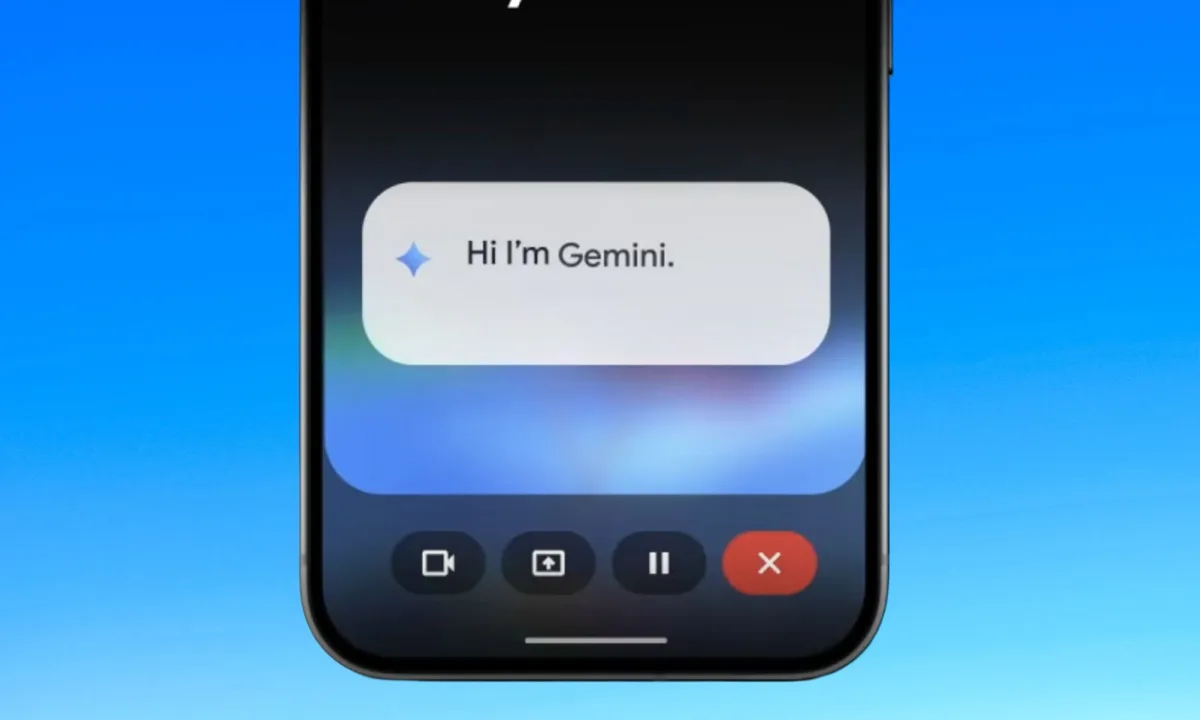
Google may be preparing a practical improvement to how Gemini works on Android, one that addresses a long-standing frustration rather than introducing another headline feature. At present, invoking Gemini through the hotword or a long press of the power button brings up what looks like an overlay, but behaves more like a temporary interruption. The moment users tap away to another app, the assistant closes entirely, wiping the conversation and forcing them to start again. For tasks that take time, require multiple steps, or involve switching between apps, this design breaks the flow of multitasking.
According to reporting from Android Authority, Google appears to be testing a redesigned Gemini overlay in the beta version of the Google app. Instead of disappearing when users leave the current screen, Gemini would collapse into a small floating action button. This button would remain visible while other apps are in use, allowing Gemini to continue processing requests in the background.
The change may sound modest, but it has meaningful implications for how people use an AI assistant on a phone. With a persistent floating button, users could start a query, move into another app to gather information or continue working, and then return to the same Gemini conversation once a response is ready. The interaction becomes closer to how background tasks already function on Android, rather than feeling like a fragile, one-shot interaction that resets if attention shifts elsewhere.
This approach also opens the door to more iterative use. Users could refine prompts, add context pulled from messages or browsers, and build on previous responses without losing progress. When finished, Gemini can be dismissed entirely with a swipe, restoring control to the user rather than forcing them into a rigid interaction pattern.
The feature is not live yet and remains part of beta testing, meaning details could change or the rollout could be delayed. Still, if implemented as expected, it would address one of the most commonly criticized aspects of the Gemini overlay and make it more consistent with how people already multitask on their phones.
The update also aligns with Google’s broader effort to make Gemini feel faster and more integrated across Android. Recent announcements include Gemini 3 Flash, a lighter-weight model designed to speed up AI Search responses and image generation. Google has also begun expanding its Deep Research capabilities beyond first-party apps through an API that allows third-party developers to integrate the feature.
All of this points toward a larger transition already confirmed by Google: Gemini is expected to fully replace Google Assistant on phones in 2026. If that shift is going to be successful, background-friendly behavior like this may matter more to everyday users than any single new AI capability.