

Google has introduced Nano Banana 2, the latest version of its consumer-facing image generation model. Technically named Gemini 3.1 Flash Image, the update focuses on faster output while retaining much of the image quality seen in earlier Pro versions. With this release, Nano Banana 2 becomes the default image model across the Gemini app’s Fast, Thinking, and Pro modes.
The original Nano Banana model launched in August 2025 and quickly gained traction inside the Gemini app, particularly in markets such as India, where users generated millions of images. A higher-end Nano Banana Pro variant followed in November, aimed at producing more detailed and higher-fidelity visuals. Nano Banana 2 sits between those two approaches: it prioritizes speed but keeps several of the advanced rendering characteristics introduced in the Pro model.
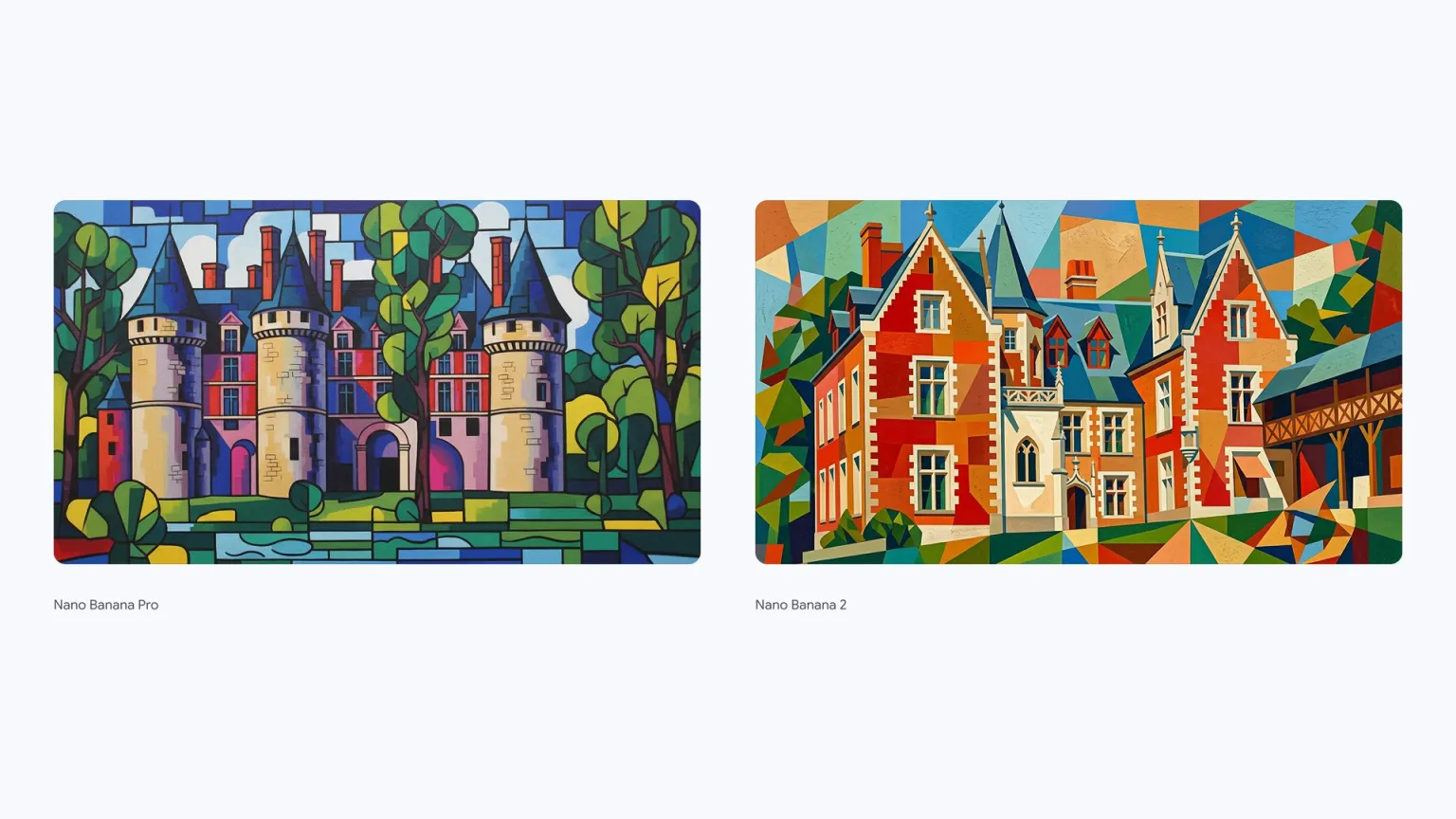
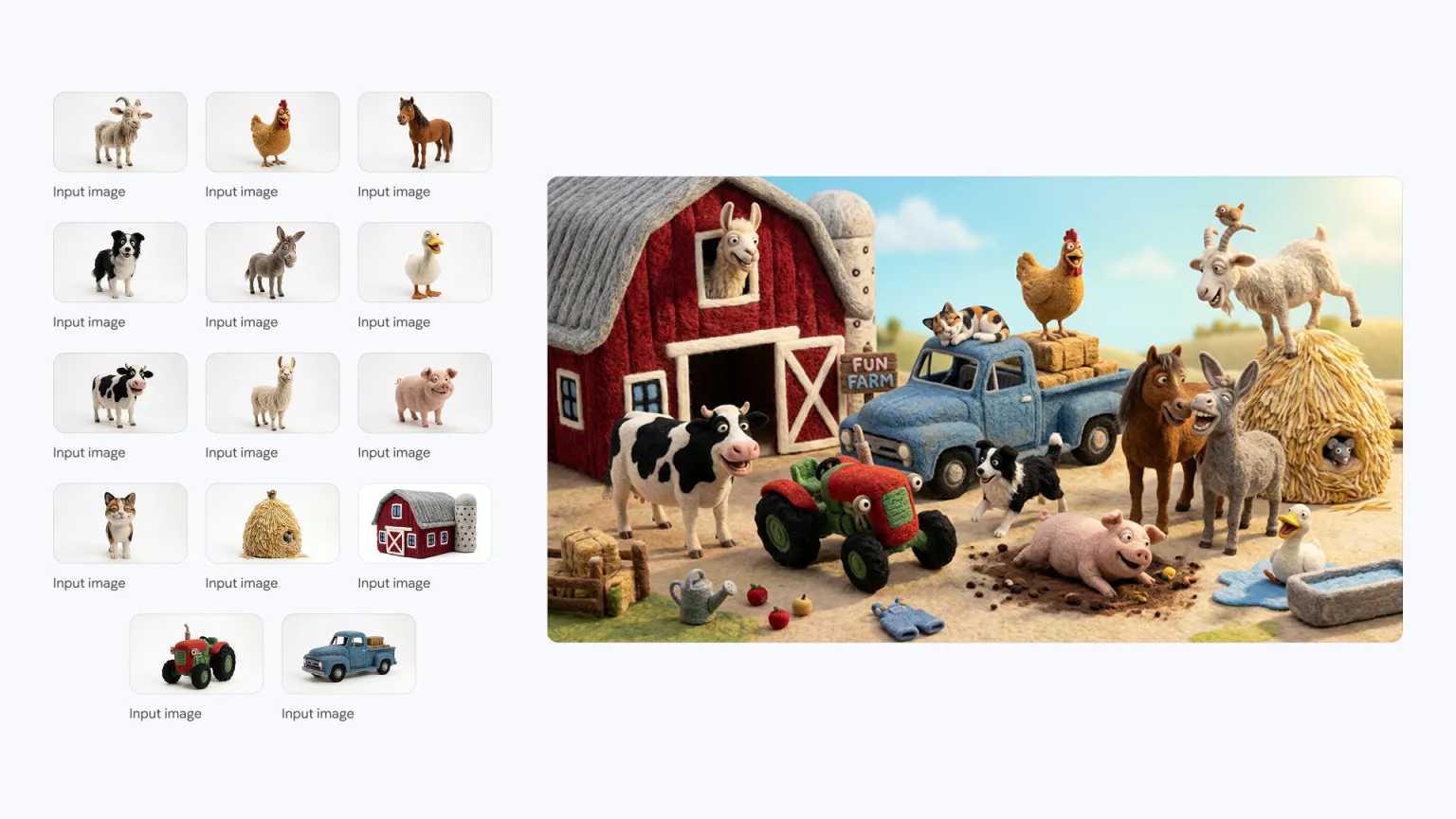
According to Google, the new model supports image resolutions ranging from 512 pixels up to 4K, along with multiple aspect ratios. The company says Nano Banana 2 can maintain character consistency across up to five characters in a single workflow and track as many as 14 objects with fidelity. That capability is designed to support more complex storytelling prompts and multi-element compositions, rather than simple single-subject images.
Google also notes improvements in lighting, texture detail, and overall sharpness. While these claims align with broader trends in generative AI development, real-world performance will likely vary depending on prompt complexity and device constraints. As with other large-scale generative systems, output quality depends heavily on how precisely users structure their requests.
The rollout extends beyond the Gemini app. Nano Banana 2 will also become the default image generation model within Google’s video editing tool, Flow. In addition, the model is being integrated into Google Search results via Google Lens and into AI Mode across 141 countries on both desktop and mobile. This signals Google’s continued effort to embed generative AI features directly into its core products, rather than limiting them to standalone tools.
Subscribers to higher-tier plans, including Google AI Pro and Ultra, will still have access to Nano Banana Pro for more specialized image tasks. Users can manually regenerate outputs with the Pro model through the app’s menu options.
The launch of Nano Banana 2 reflects Google’s broader strategy around the Gemini ecosystem. By standardizing a faster image model across consumer-facing services, the company is emphasizing accessibility and speed at scale. At the same time, offering a Pro alternative for paying subscribers maintains a tiered structure common in AI platforms.
As generative image tools become more integrated into search, productivity apps, and creative software, the differentiation between “experimental” AI features and default user experiences continues to narrow. Nano Banana 2’s promotion to default status suggests that AI image generation is now positioned as a routine part of Google’s product environment rather than a standalone novelty.