
Google has begun rolling out one of NotebookLM’s most requested features to its mobile apps, closing a long-standing gap between the desktop experience and the versions available on iOS and Android. Video Overviews, which first appeared on the web version of NotebookLM in 2025, are now making their way to smartphones and tablets, giving mobile users access to a tool that has been central to how many people actually use the service.
NotebookLM, launched in 2023, was designed as a source-grounded AI notebook rather than a general-purpose chatbot. Instead of pulling from the open web, it works only with the documents, links, and media users provide. That constraint has helped it stand out in a crowded field of generative AI tools, particularly for students, researchers, and professionals dealing with long or complex material. Over time, Google has expanded the app’s feature set with tools like flash cards, quizzes, and Audio Overviews, which turn source material into AI-generated podcast-style summaries.
Video Overviews extend that same idea into a more visual format. Rather than producing a wall of text, the feature converts notes, documents, or long videos into structured, slide-based videos that summarize key points. For many users, especially those reviewing lectures, reports, or technical explainers, this format can be easier to absorb than written summaries alone. Until now, creating these videos required logging into the desktop site, which limited their usefulness on the go.
The mobile rollout appears to be gradual. Not all users will see the option immediately, even with the latest version of the app installed. Once available, the feature lives inside the Studio section of the app, where users can select Video Overview from the list of generation tools. As with other NotebookLM features, the output is built strictly from the sources added to the notebook.
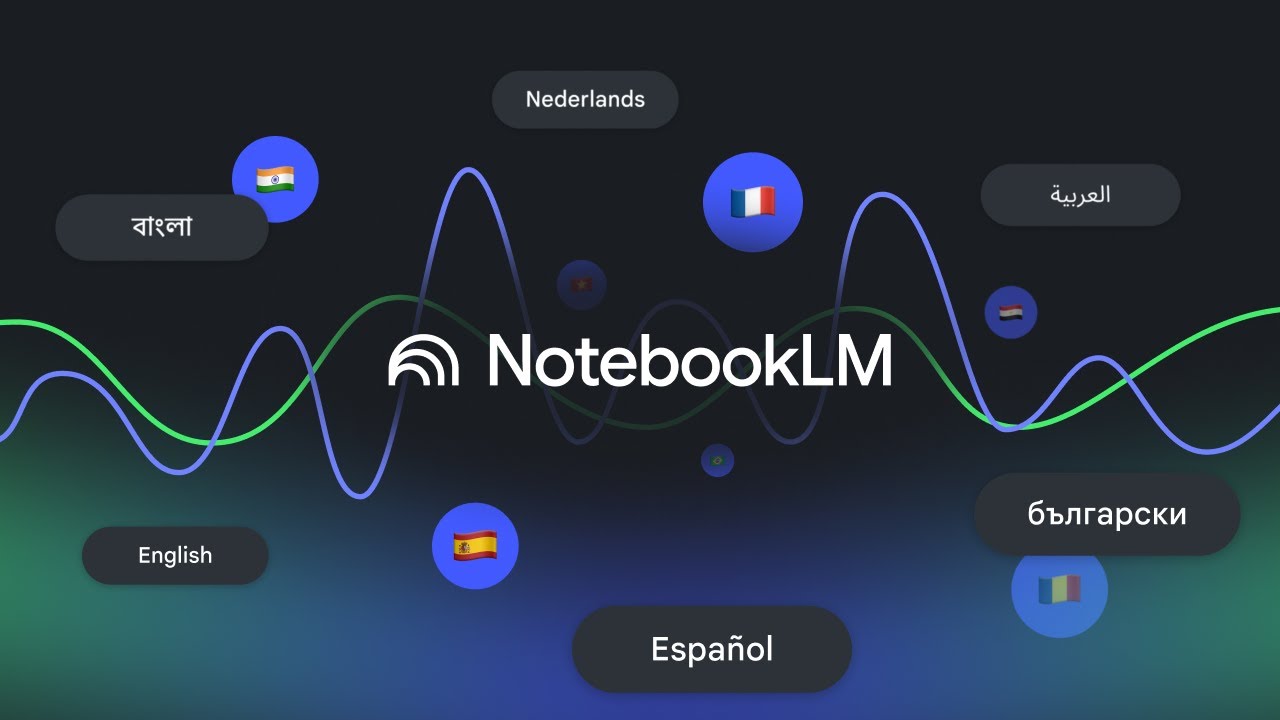
Early release notes suggest that Google is also experimenting with deeper customization options. These include choosing between different presentation styles, adjusting slide length, and changing output languages. Some of these controls are not yet visible to all users, indicating that the feature is still evolving rather than fully finalized.
Part of NotebookLM’s appeal has always been its narrower focus compared to broader AI systems like Gemini or ChatGPT. By limiting itself to user-provided sources, it reduces the risk of fabricated information, though it is not immune to misinterpretation or missed context. As with any AI-generated output, verification remains necessary.
Bringing Video Overviews to iOS and Android doesn’t fundamentally change what NotebookLM is, but it does make one of its most practical tools available in the situations where people often need it most. Instead of waiting until they’re back at a desk, users can now generate and review video summaries directly from their phones, reinforcing NotebookLM’s role as a portable research and study companion rather than just another AI experiment.