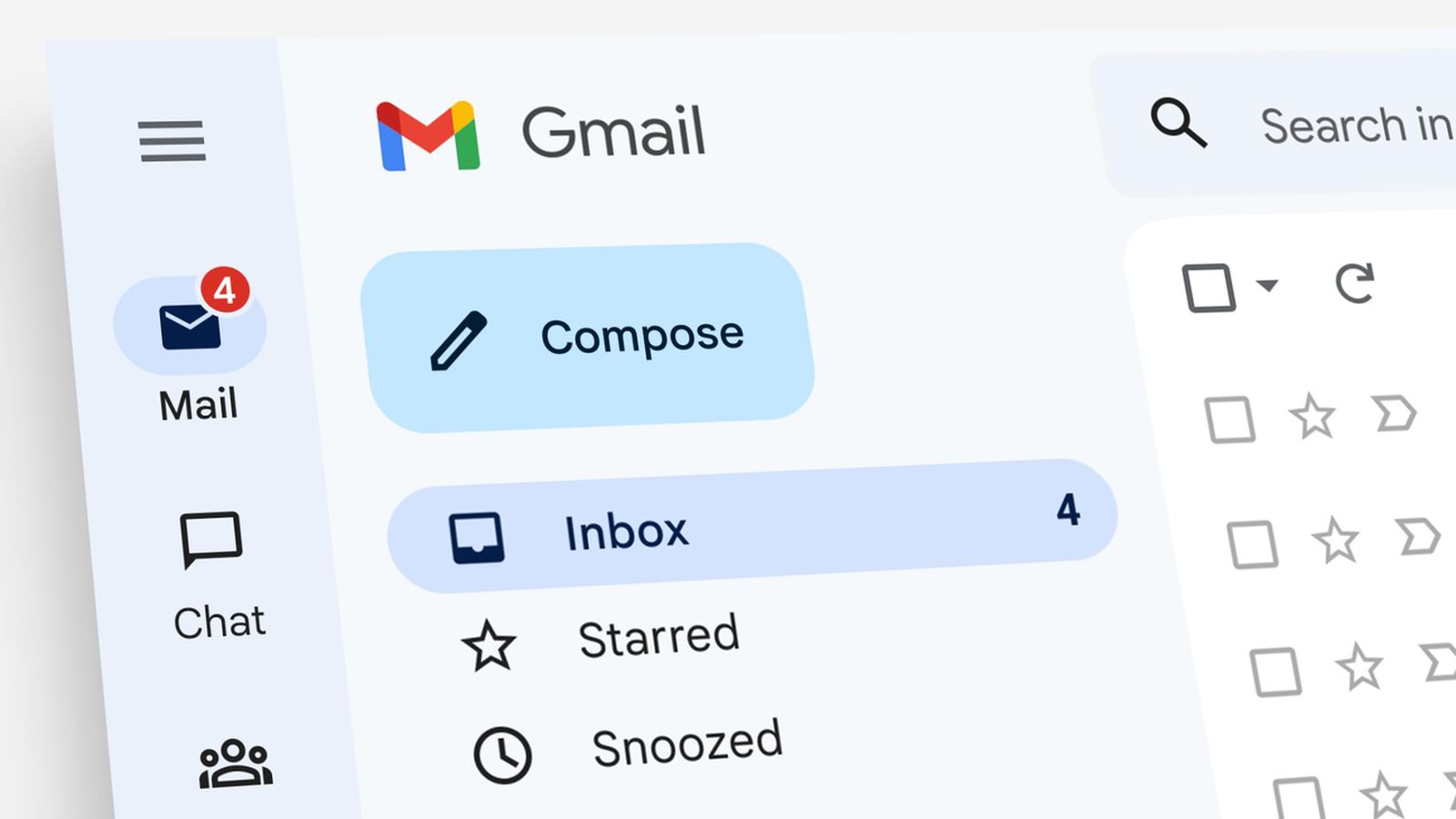

Google has begun rolling out end-to-end encryption for Gmail on iOS and Android, extending a capability it introduced for desktop Workspace users only two weeks earlier. The feature allows users to send encrypted messages that even Google cannot read, and it works across different email providers, including competitors such as Microsoft Outlook.
This development comes with significant restrictions. The end-to-end encryption option is limited to organizations on Google Workspace Enterprise Plus plans that also subscribe to the Assured Controls or Assured Controls Plus add-ons. Workspace administrators must explicitly enable the tool through the client-side encryption interface before users can access it on their mobile devices. Once activated, senders compose messages in the standard Gmail app and simply tap a lock icon to toggle additional encryption.
In theory, end-to-end encryption ensures that only the sender and intended recipient can read the message content. In practice, however, several limitations temper its privacy value. The subject line remains unencrypted, which could still reveal sensitive information. More importantly, the Workspace super administrator retains control over the encryption keys, meaning company IT departments can still access or manage the keys used for these exchanges. Employees hoping to keep communications completely hidden from their employers may find the protection less robust than expected.
The rollout reflects Google’s gradual push into stronger email security, particularly for enterprise customers handling regulated or sensitive data. Yet it also highlights how corporate control often takes precedence over individual privacy in workplace tools. Features like this have long been standard in dedicated secure messaging apps such as Signal and WhatsApp, and in privacy-oriented email services like Proton Mail and Tuta Mail, where encryption is available without the same level of administrative oversight.
For everyday Gmail users outside of qualifying Workspace setups, the feature remains unavailable. Google has not indicated any plans to bring client-side encryption to consumer accounts, leaving personal users reliant on third-party services if they want true end-to-end protection.
The timing of the mobile expansion is notable. It arrives amid growing scrutiny of how large tech platforms handle user data, especially in regulated industries and government sectors. While adding encryption to mobile Gmail is a practical step forward for Workspace customers, the requirement for premium add-ons and administrative approval underscores that this is very much an enterprise-grade tool rather than a broad privacy upgrade.
In the wider context of email security, the move is less revolutionary than it might appear at first glance. Many organizations have already turned to specialized providers or additional encryption layers precisely because standard email protocols have never offered strong built-in protection. Google’s implementation now brings its enterprise offering closer in line with what privacy-focused alternatives have provided for years, albeit with the familiar trade-offs of platform lock-in and centralized key management.
For organizations already deep in the Google Workspace ecosystem, the feature could simplify secure communications without forcing users into separate apps. For everyone else, the limitations serve as a reminder that true end-to-end email encryption still often requires stepping outside the major providers or accepting that corporate oversight remains part of the equation.