
Nano Banana Pro arrives as the latest evolution of Google DeepMind’s image generation and editing tools, building on the foundation set earlier this year by the original Nano Banana model. While the earlier release focused on quick, casual creativity, the new version shifts toward more precise, knowledge-driven image generation, with an emphasis on accurate text rendering, stronger reasoning and broader control over visual composition. Backed by the Gemini 3 Pro architecture, Nano Banana Pro aims to bridge practical design needs with the expanding expectations of AI-assisted visual work.
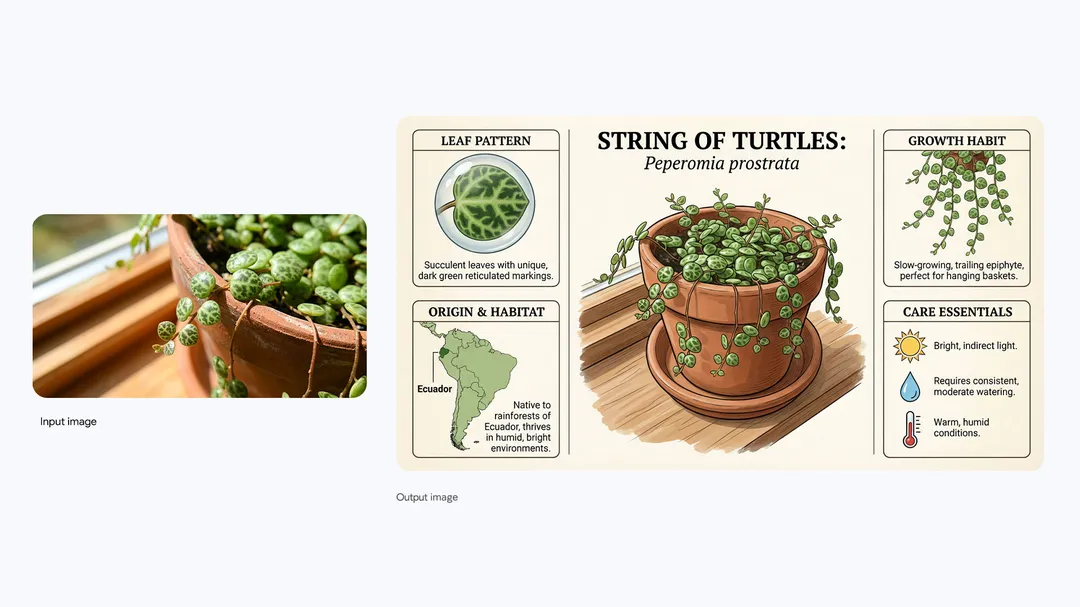
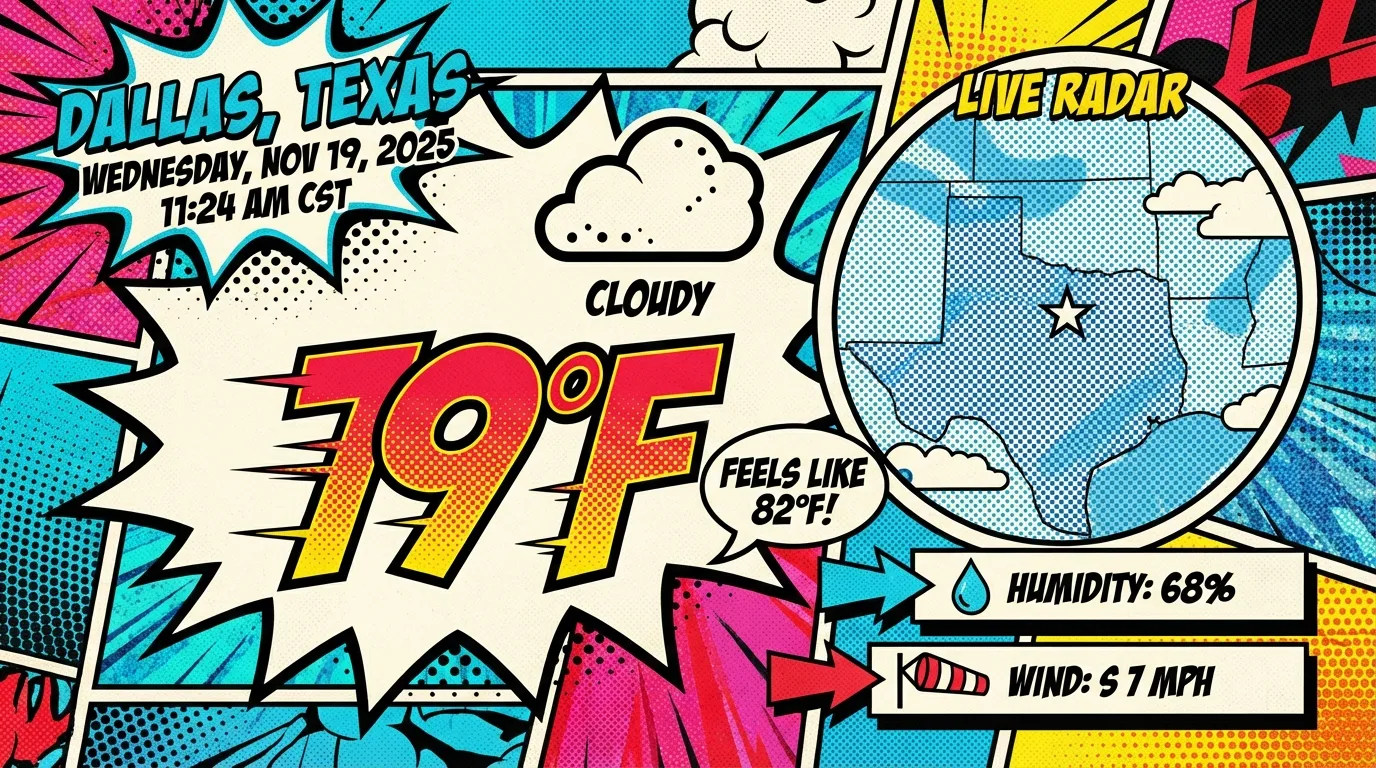
At its core, Nano Banana Pro is designed to turn abstract ideas, instructional content or rough sketches into visual material that better reflects real-world context. Its integration with Gemini’s reasoning and access to current information through Search allows it to produce diagrams, infographics and educational imagery that more closely match factual data. Users can generate step-by-step recipe visuals, botanical explainers or weather snapshots grounded in real-time conditions, reflecting the shift toward more utility-driven image generation rather than purely stylistic output.
One of the model’s most significant upgrades is its handling of text inside images. Prior image systems often struggled with legibility, accuracy and multilingual consistency, but Nano Banana Pro pushes toward clearer rendering of longer passages, varied fonts and specialized scripts. This matters for mockups, posters, brand assets and internationalized content, where consistent typography is often essential. The model’s ability to interpret and reproduce text in multiple languages also opens the door for localized campaigns and cross-regional communication without relying on manual translation and design adjustments.
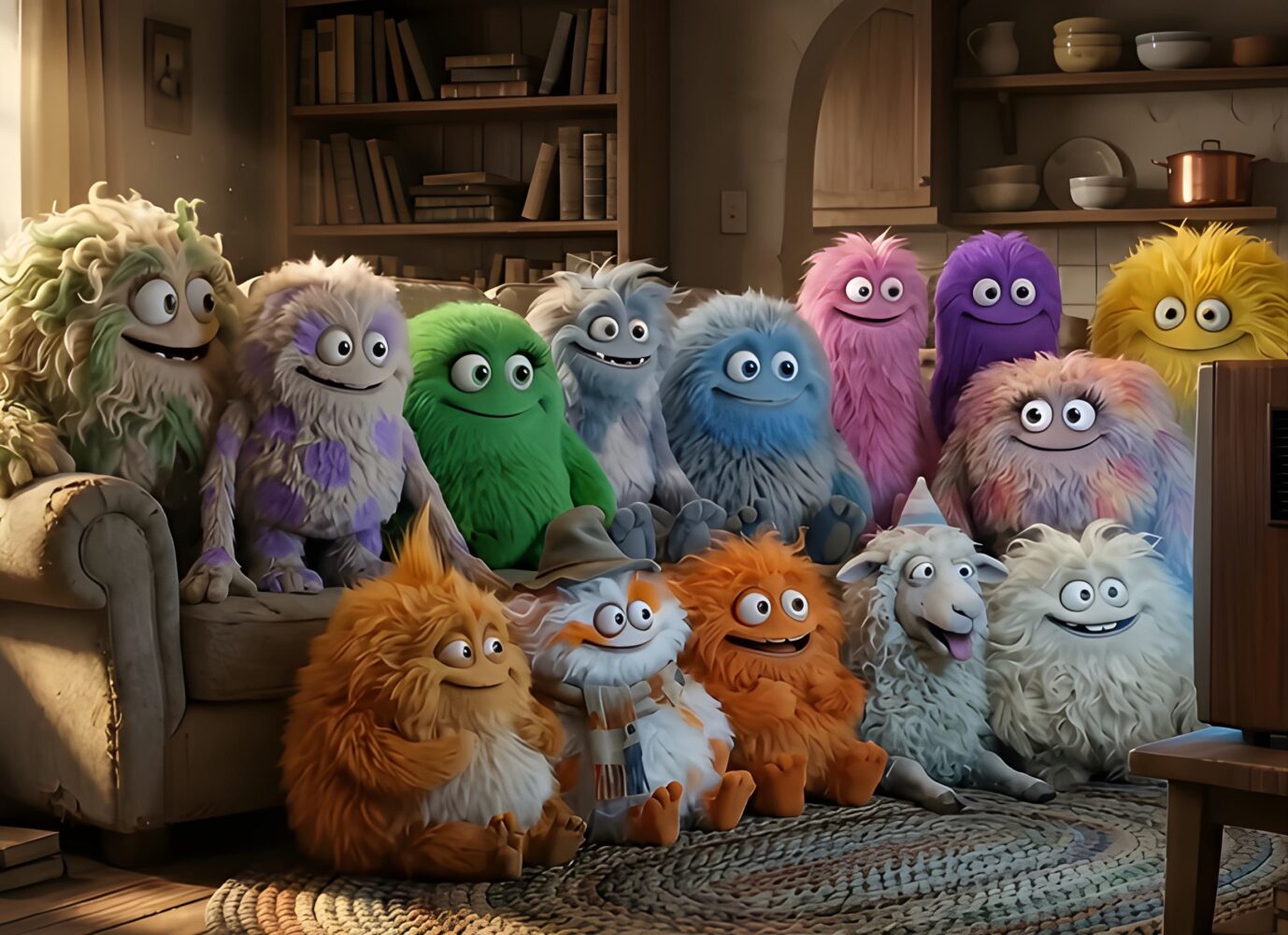
Beyond informational graphics, the model expands into creative workflows that involve complex compositions. Users can blend up to 14 input images and maintain likeness across several people, paving the way for more coherent scene building — from fashion editorials to product prototypes. This consistency is particularly useful for professionals who need to iterate across multiple layouts without losing continuity in character identity, props or environmental details. The model’s improved support for cinematic lighting, depth-of-field adjustments and stylized grading also gives creators more room to refine the mood and readability of their visuals.
Nano Banana Pro adds more granular editing controls, allowing users to modify specific portions of an image rather than re-generating the entire frame. Adjusting the time of day, shifting the camera angle or refining focus becomes a targeted process, helping designers and content creators shape their scenes without breaking the overall coherence. Support for 2K and 4K resolutions and multiple aspect ratios further broadens its use across print, digital campaigns and social media platforms.
Availability spans several product tiers. General users can access the model through the Gemini app under the Thinking option, with usage quotas depending on subscription level. Students and casual image creators who rely on the free tier receive limited access, while paid subscribers in the Pro and Ultra tiers gain expanded throughput. For professionals, Nano Banana Pro is rolling out across Google Ads, Workspace apps such as Slides and Vids, and Google’s filmmaking tool Flow. Developers and larger organizations can access the model via the Gemini API, Google AI Studio, Antigravity for layout prototyping and Vertex AI for scaled workflows.
Google continues to emphasize transparency around synthetic media. All images generated by its tools contain an imperceptible SynthID watermark, with an additional visible Gemini sparkle label for most consumer-tier outputs. Ultra-tier subscribers and users in Google AI Studio can generate images without the visible mark to maintain clean presentation in professional settings. The Gemini app now also allows users to upload an image and check whether it was produced by Google AI, a functionality that Google plans to extend to audio and video over time.
Nano Banana Pro represents a more mature, utility-first approach to AI image generation. Rather than simply producing aesthetic visuals, it aims to help people create more accurate, structured and contextually meaningful content — whether for education, design, advertising or filmmaking.