
Google has begun rolling out a new wave of Android updates, less than two weeks after unveiling the Pixel 10. The changes bring both design refinements and AI-powered tools, with some features exclusive to Pixel devices while others extend across all Android phones.
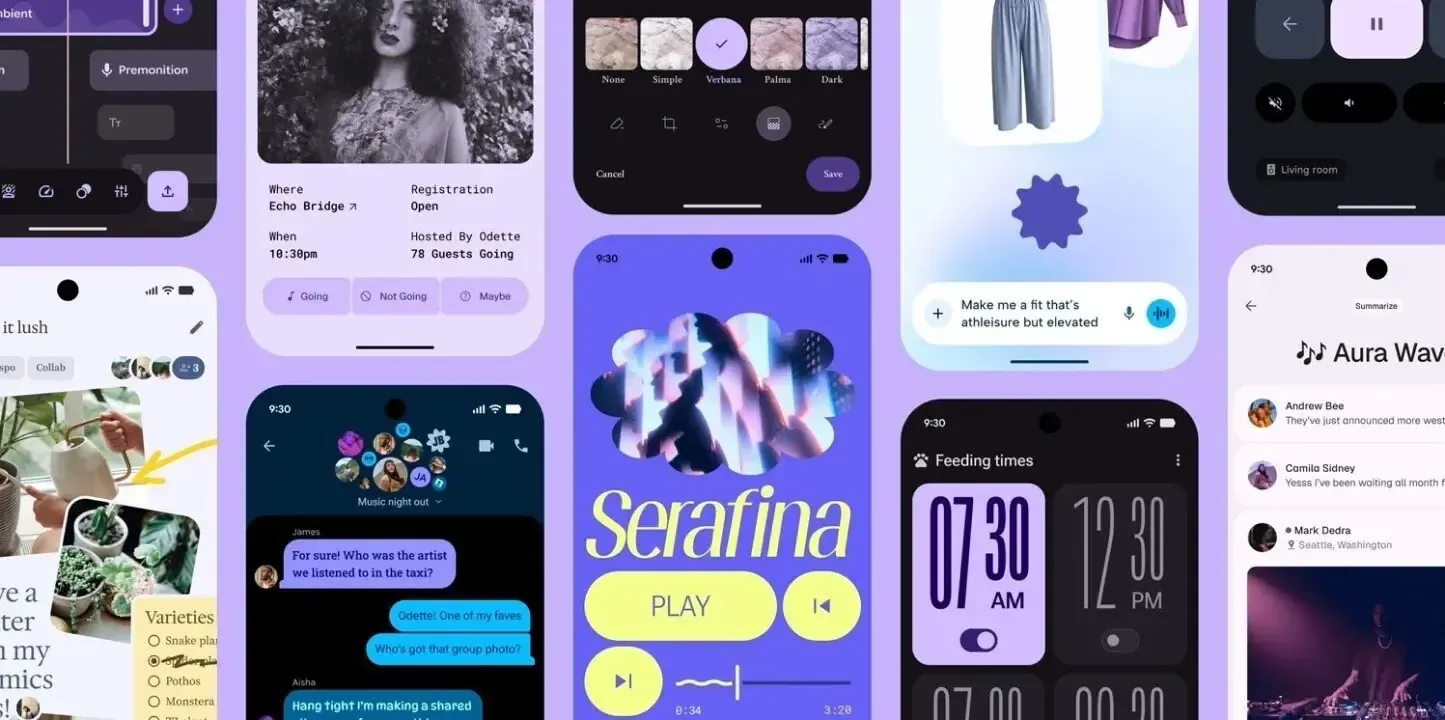
Pixel owners are seeing the most visible changes through Google’s Material 3 Expressive design system. First previewed in May, the update introduces more fluid animations, rounded icons, richer color options, and subtle blurring to add depth within the interface. These visual tweaks are available on devices released after the Pixel 6, including the Pixel Tablet.
The most notable upgrade available to all Android users is an AI expansion inside Gboard. The keyboard app now integrates writing assistance features, offering proofreading, text corrections, and the ability to shift writing style depending on context. These tools position Gboard as more than just a typing surface, leaning into the role of a real-time writing editor.
Google is also revising how audio sharing works across Android devices. Users with LE Audio-compatible headphones can now listen to the same audio simultaneously, a feature often seen as a step toward more social and collaborative listening. A “private broadcast” mode extends this concept, generating a QR code that allows a group with compatible headphones to join the same stream. Google has compared it to hosting a silent disco, but it could just as easily be applied to shared workouts or watch parties.
The Quick Share menu has been redesigned as well, adding clearer send/receive toggles and progress indicators that show the status of large file transfers. This refinement brings the feature closer in usability to competing file-sharing systems like Apple’s AirDrop.
On the lighter side, Google is introducing a new “Androidify” tool that uses AI models — including Gemini 2.5 Flash, Imagen, and Veo 3 — to generate personalized Android mascots. Users can take a selfie, feed prompts, and even animate the resulting character. The tool is available both on the web and through an Android app, marking another example of how Google is integrating generative AI into consumer experiences.
Wear OS is also receiving a smaller but practical update: Google Maps directions will now automatically launch on a paired smartwatch whenever walking or biking navigation begins on a phone. This auto-sync reduces the friction of switching between devices mid-journey.
While these features may not represent a dramatic overhaul, they illustrate Google’s strategy of layering AI enhancements across everyday apps and interactions. From writing assistance to audio sharing and playful customization tools, the updates suggest a broader push to weave AI into the core Android experience rather than confining it to flagship hardware.