


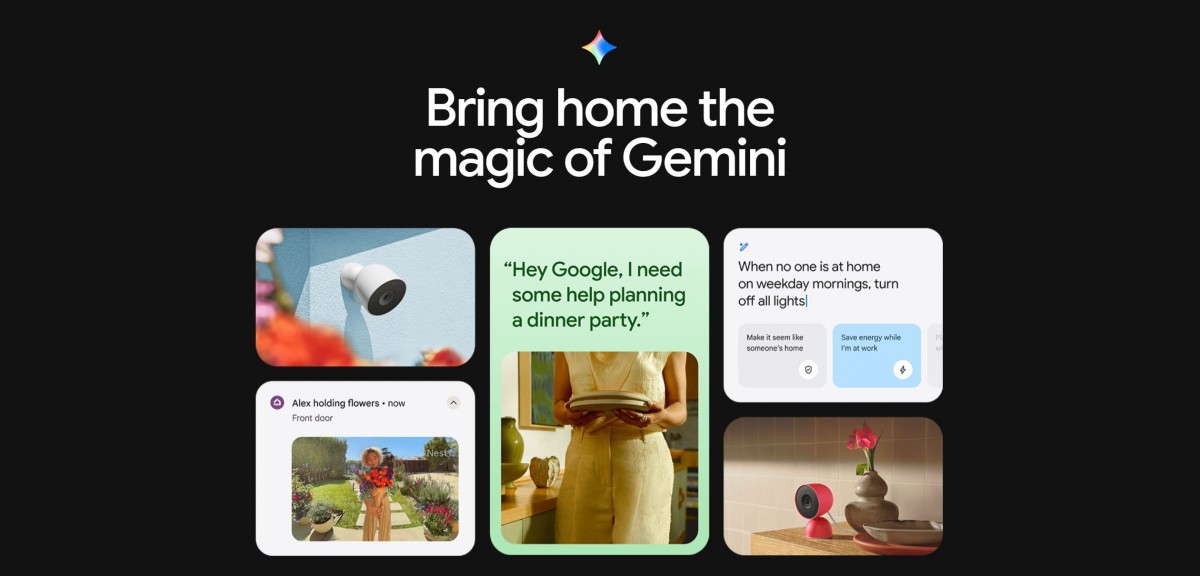
Google has begun rolling out Gemini for Home in the United States, marking the company’s first major step toward integrating its new AI platform into the smart home ecosystem. Announced earlier this month alongside a wave of new devices, Gemini for Home is launching in an early access phase, with participation limited to users who request access manually.
To join the program, users must first adjust their Google Groups settings by enabling “Add me to their groups.” From there, the Google Home app provides access to the early access request under Home settings. Once approved, Gemini for Home will automatically replace Google Assistant on supported smart home devices — a change that, according to Google, cannot be reversed.
Gemini for Home is designed to serve as an intelligent control layer across connected devices, blending conversational AI capabilities with contextual understanding of home environments. While Google hasn’t detailed every functional difference between Gemini and the existing Assistant, early indications suggest tighter integration with Gemini Live, Google’s AI-driven conversational interface, and enhanced ability to manage complex routines or interpret natural-language commands.
However, some of the more advanced functions will be gated behind a subscription. Features such as Gemini Live and camera history search require a Google Home Premium plan, reflecting Google’s broader shift toward tiered access for AI-powered features.
The rollout underscores Google’s gradual transition away from Google Assistant as it standardizes its consumer AI products under the Gemini brand. This strategy mirrors moves across the company’s ecosystem — from Android to Workspace — where Gemini has been replacing legacy Assistant and Bard tools.
While Gemini for Home represents an evolution of Google’s smart home vision, the irreversible switch from Assistant may give some users pause, particularly if compatibility or stability issues arise during early testing. For now, Google appears to be focusing on early adopters to gather feedback before a wider release, setting the stage for what could become the default AI backbone for the Google Home platform in the years ahead.