
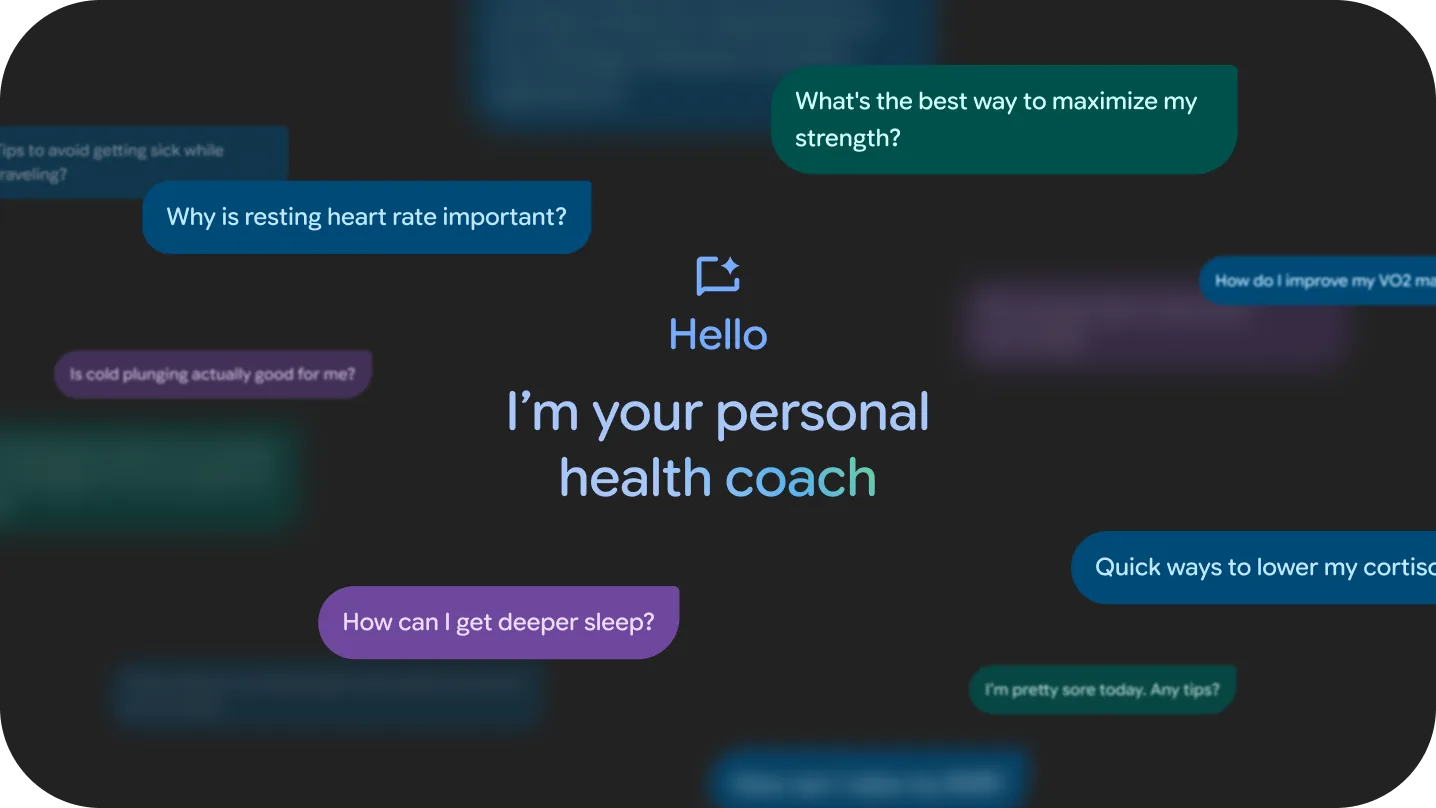
Google is rolling out an AI-powered Personal Health Coach within the Fitbit app, marking the most significant update to the platform since its acquisition. The new coach, built on Google’s Gemini AI model, combines Fitbit’s health tracking data with conversational intelligence to deliver personalized fitness, sleep, and wellness guidance. The feature launches in public preview this week for Android users, with iOS support to follow and a full rollout planned for 2026.
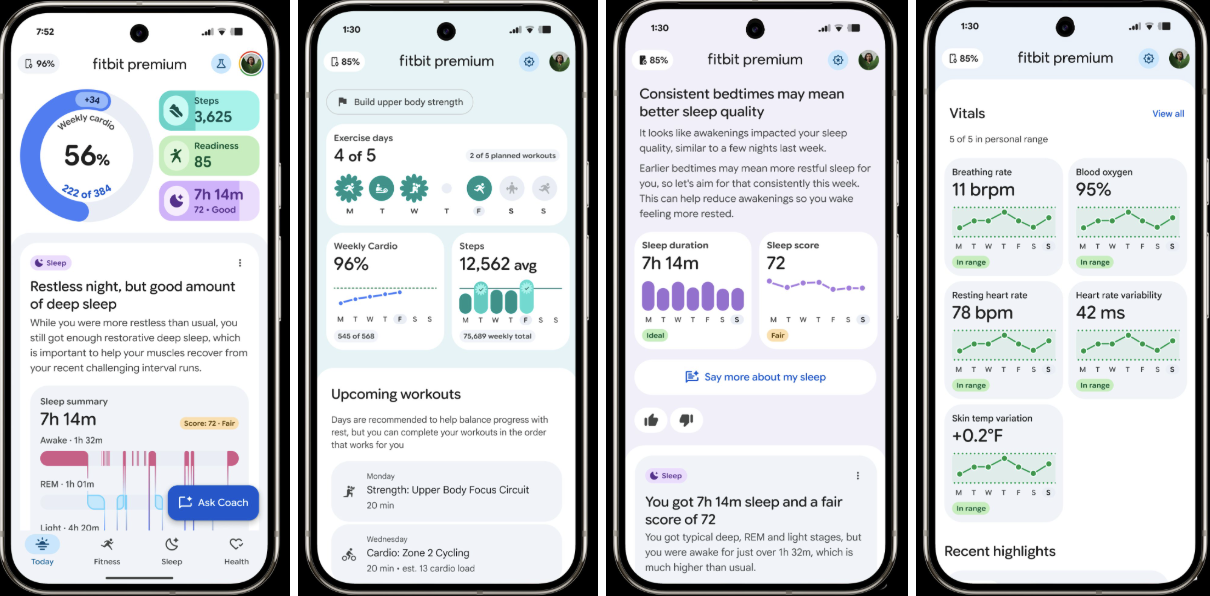
Available to Fitbit Premium subscribers at $9.99 per month, the AI coach is designed to act less like a static tracker and more like a digital wellness companion. Users can ask questions about their data—such as why their sleep score dropped or how to balance workout intensity—and receive context-aware responses that combine their personal metrics with general health insights. The redesigned app organizes everything into four main tabs: Today, Fitness, Sleep, and Health, each structured around more interactive and long-term insights.
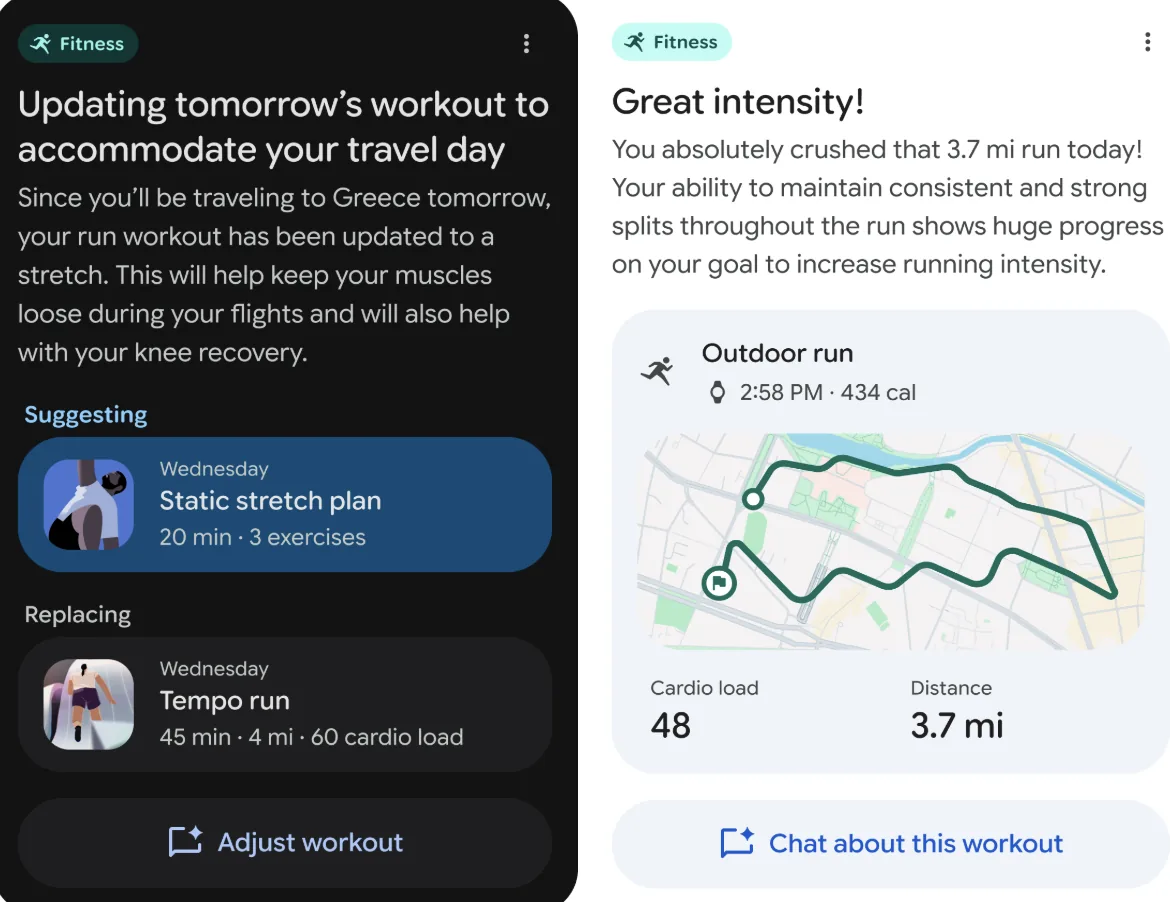
The Fitness tab will initially be the centerpiece of the preview. It creates adaptive weekly workout plans based on a detailed questionnaire covering age, weight, fitness level, equipment availability, and goals. Users can specify targets beyond general fitness—such as training for a marathon, improving cardiovascular endurance, or focusing on specific muscle groups. The coach generates one week of programming at a time, updating the plan dynamically as users complete or skip sessions. It can even adjust for missed workouts, schedule conflicts, or location changes, suggesting alternatives like bodyweight exercises when traveling.
Workouts draw from a large movement library, and the assistant can remember user preferences for future plans. Its conversational flexibility also allows it to explain form, compare exercises, or modify sessions on demand. Google positions this AI integration as a deeper and more responsive tool than current rivals—Samsung’s Running Coach and Apple’s Workout Buddy—though unlike those, Fitbit’s version sits behind a paywall.
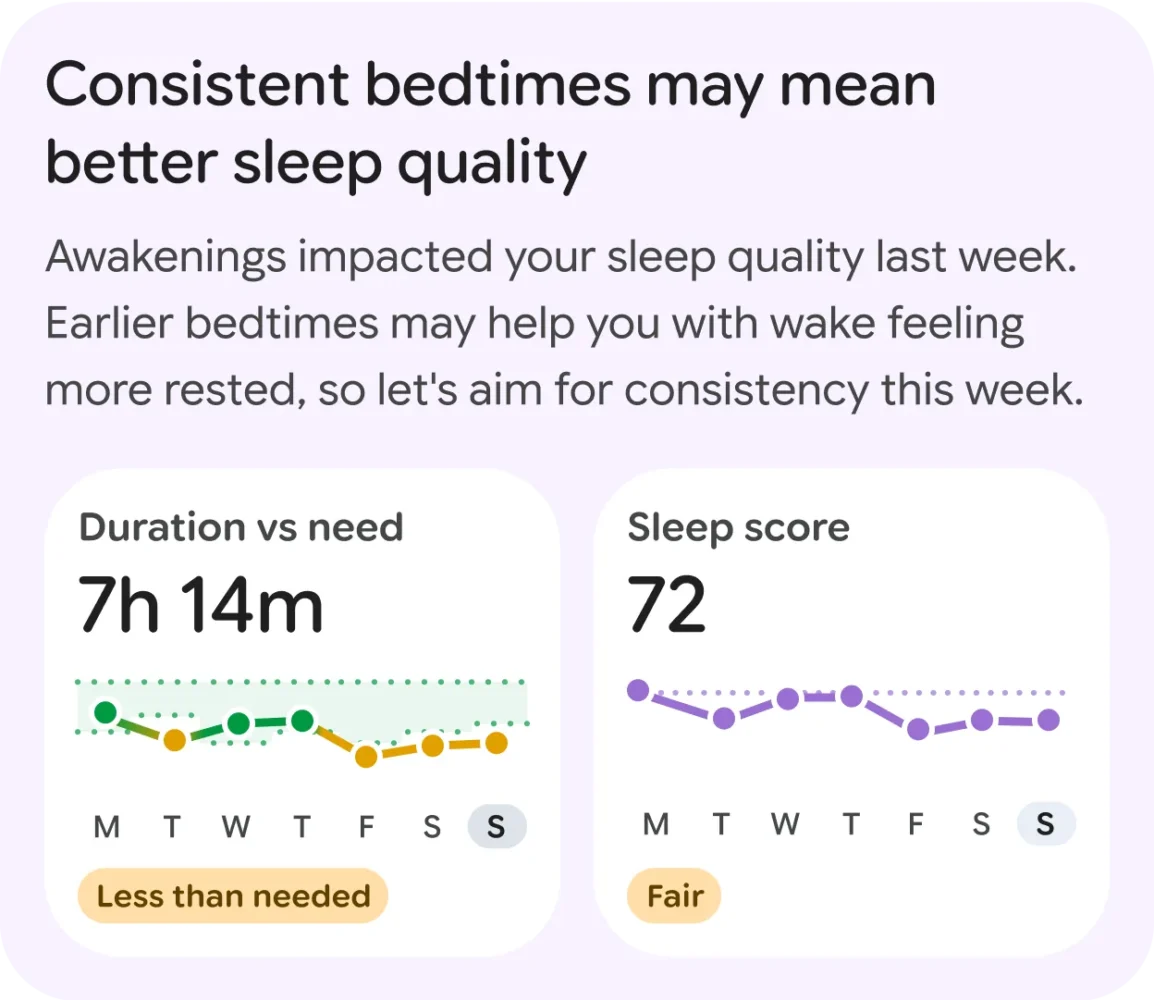
Beyond fitness, the Sleep tab enhances existing metrics with search-based insights. Users can ask why they woke up tired or how to improve rest quality, receiving data-driven answers paired with practical advice. The Health tab focuses on vital stats, offering trend visualizations and suggestions for discussion topics with doctors or trainers.
Though still in preview, the update signals Google’s intent to make Fitbit a more holistic, AI-driven wellness platform rather than a simple fitness data tracker. The weekly planning model and integrated conversational layer could make fitness and recovery guidance more approachable for casual users and more adaptive for serious athletes. A full set of Fitbit-branded hardware updates is expected next year, likely optimized for deeper integration with the AI assistant.