
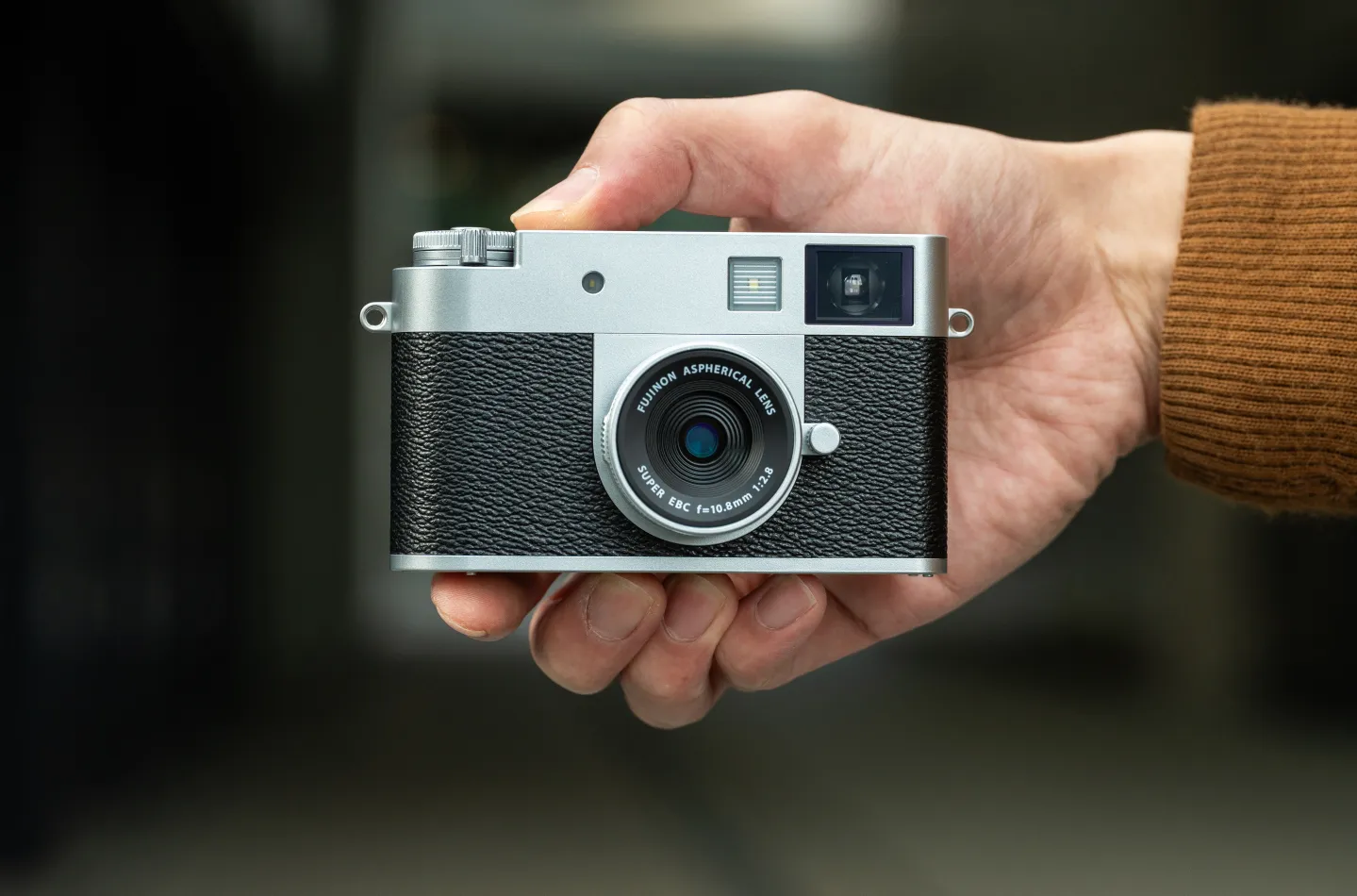
Fujifilm is revisiting its analog roots with the launch of the X half, a compact digital camera that leans heavily into film-inspired photography—not just in appearance, but in how it behaves. Designed as a modern interpretation of half-frame film cameras, the X half is a departure from conventional digital compacts, offering a vertical sensor, mechanical-style controls, and playful tools aimed at fans of film photography aesthetics.
The X half uses a vertically oriented 1-inch sensor to produce 18MP JPEG images in a 3:4 aspect ratio, mimicking the vertical composition common in half-frame film cameras. This design choice directly informs both the shooting experience and physical layout of the camera, which includes an upright LCD screen for composition and a secondary, touch-sensitive display that resembles a classic film canister window.
That second screen is more than a nostalgic flourish—it allows quick switching between Fujifilm’s well-known Film Simulations, such as Provia, Astia, and Velvia. The X half includes 13 of these presets, a pared-down but popular selection from Fujifilm’s larger catalog. For photographers who want even more analog-like constraints, the camera includes a “Film Camera” mode that locks in a specific film simulation and camera settings (like ISO), disables the preview screen, and limits the user to a roll-style number of shots—36, 54, or 72. Once that quota is reached, digital conveniences return.
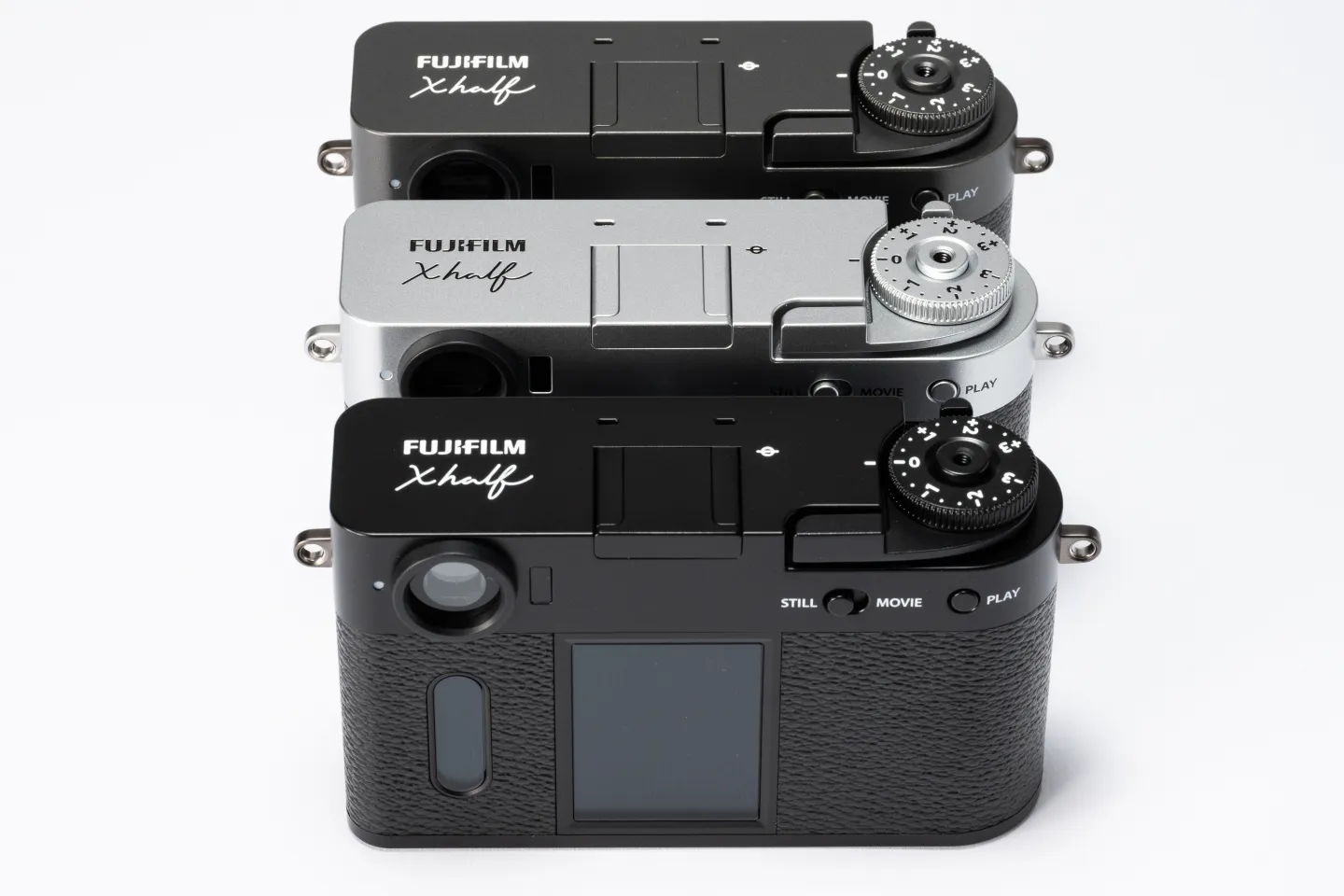
One of the more creative additions is a virtual film wind lever, which is used not for advancing actual film, but for creating diptychs—two images paired side by side to replicate how two half-frame images would appear on a strip of 35mm film. The camera records them individually but presents them as a visual set, encouraging more thoughtful composition and experimentation. The diptych feature also extends to Full HD video capture, which can be styled using the same analog-inspired effects.
The X half introduces several new picture styles, including light leaks, halation, and simulated expired film, adding another layer of visual customization for photographers who want more than clean digital output. This emphasis on stylistic tools positions the X half as more than just a niche product—it’s a tool for creative expression with a strong visual identity.
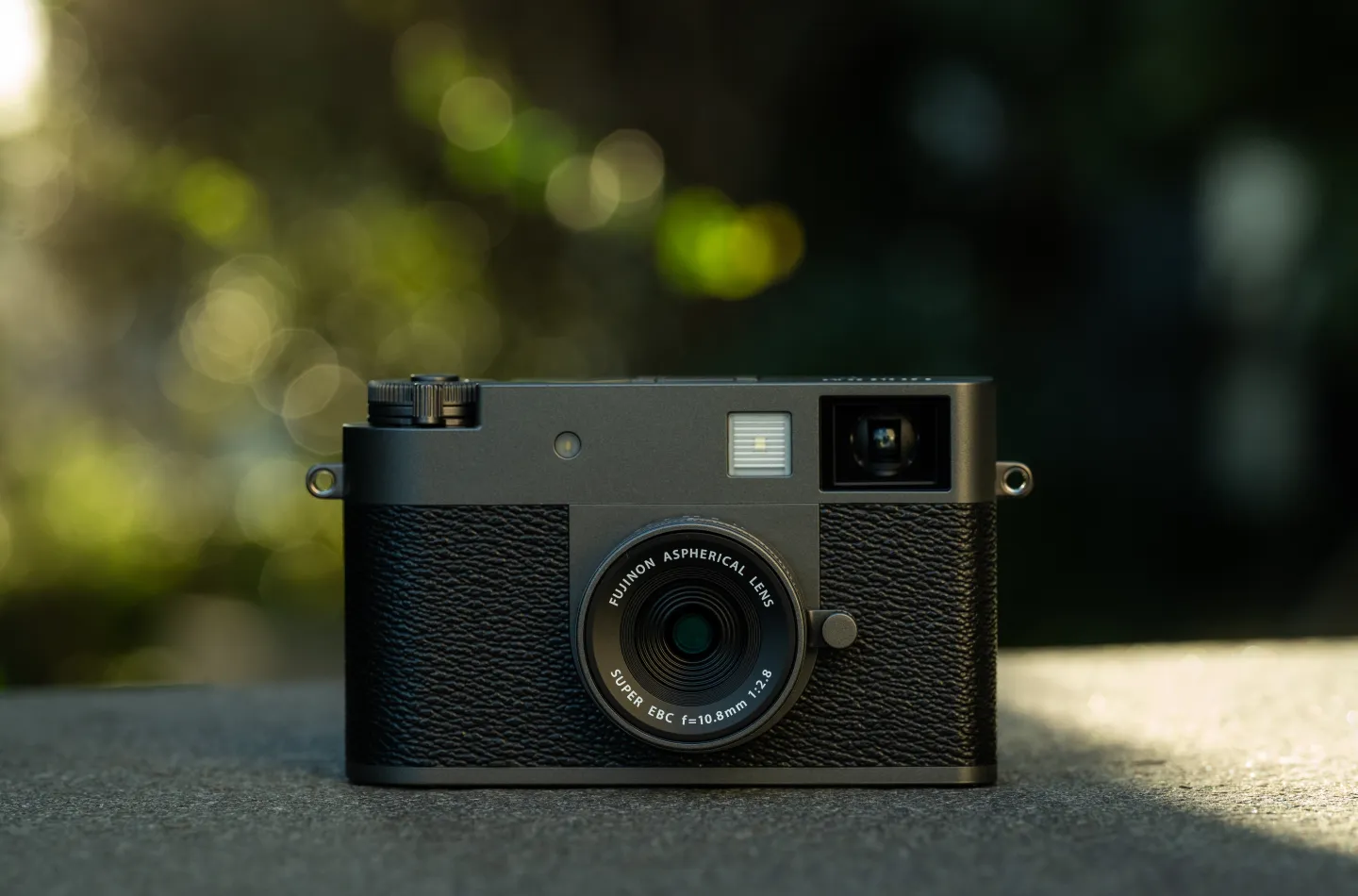
Despite the experimental features, the X half remains a usable everyday compact. It includes a fixed 32mm equivalent f/2.8 lens with mechanical aperture control, and uses the same battery found in the X100VI, offering up to 880 shots per charge. At 240g, it’s designed for portability without feeling fragile.
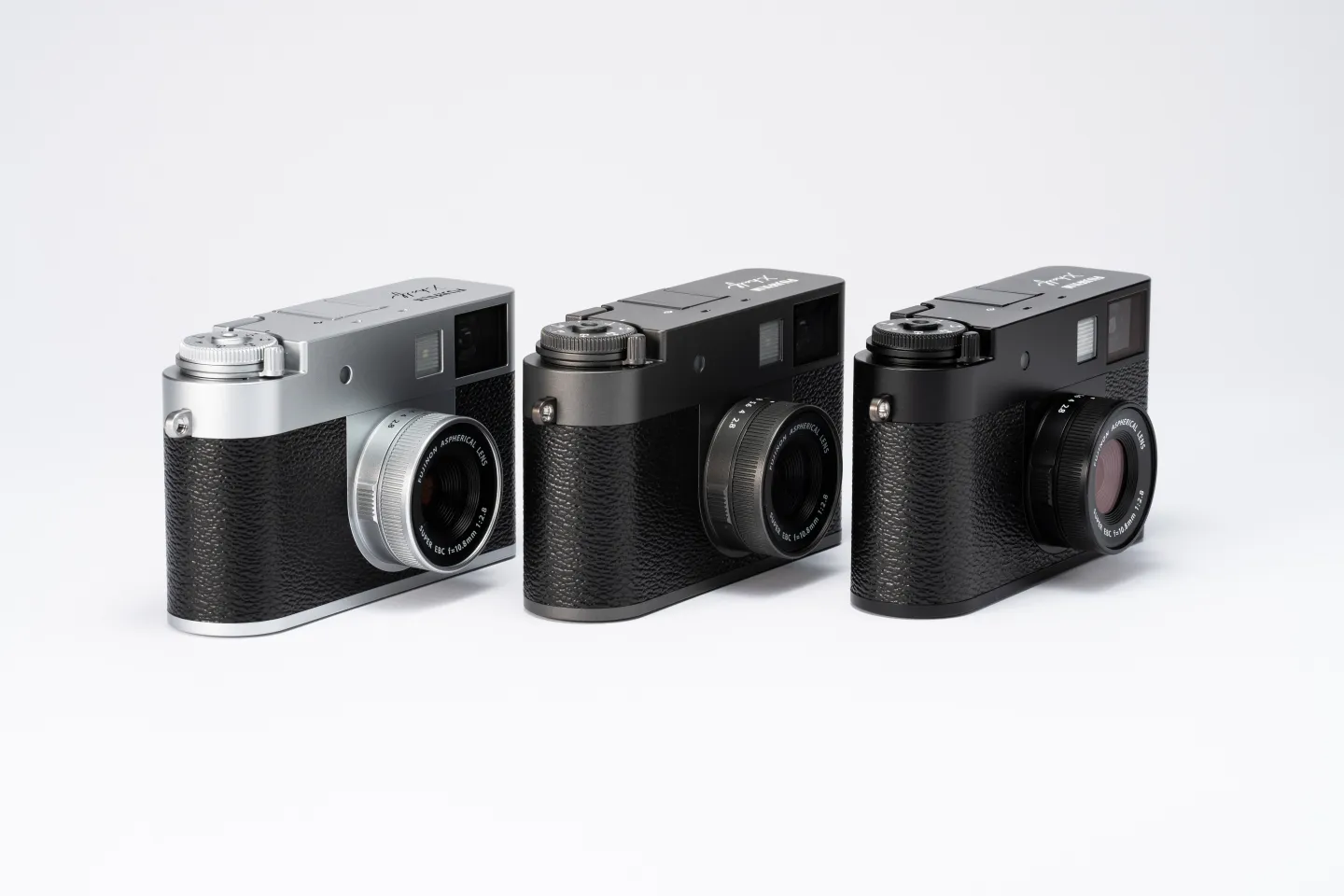
Connectivity features are also part of the package. Fujifilm will launch a dedicated app in June, allowing users to build diptychs, upload images, and wirelessly connect to Instax printers for instant prints. The X half itself will be available globally starting June 12 in three finishes—silver, charcoal, and black—priced at $849.
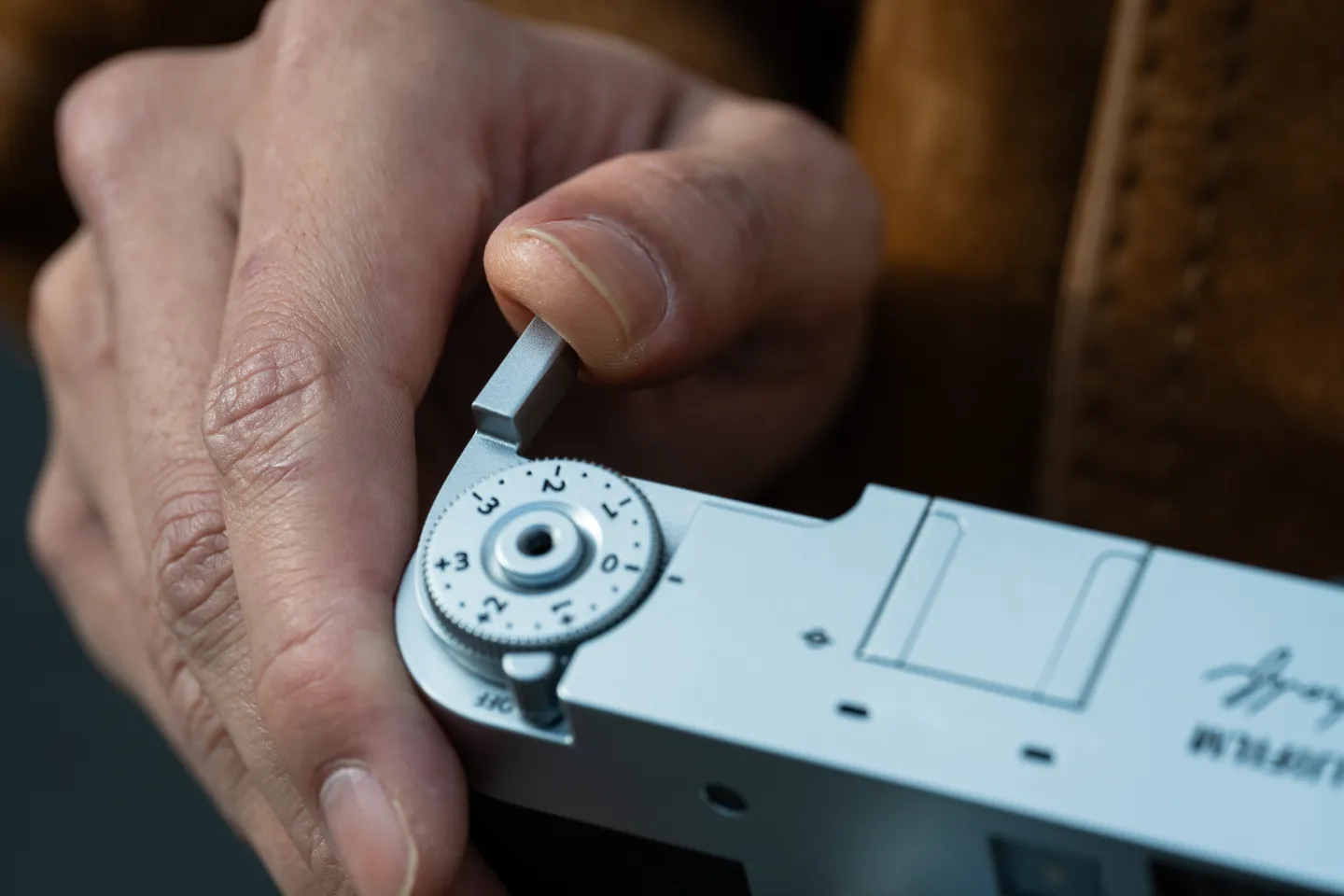
While not aimed at users seeking technical performance or raw processing power, the Fujifilm X half offers something different: a digital camera that doesn’t try to hide its film-era inspiration. It’s a compact built for visual storytelling, with a design philosophy that embraces imperfection and nostalgia—qualities not often prioritized in today’s increasingly clinical camera market. For photographers willing to lean into the quirks, the X half may offer just the kind of creative spark digital has often lacked.