

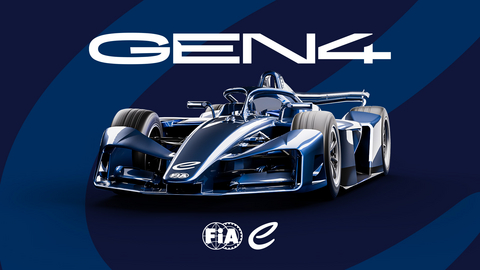
The launch of the GEN4 Formula E car in Le Castellet, France, marks a measurable advance in electric single-seater racing rather than a sudden revolution. Unveiled on track ahead of its competitive debut in the 2026/27 season of the ABB FIA Formula E World Championship, the new machine brings noticeable gains in power, acceleration, and top speed while introducing technical changes that could influence road-going electric vehicles.
On paper, the performance numbers are substantial. GEN4 is rated at up to 600 kW, representing a 71 percent increase over the base output of the GEN3 Evo. It can reach 0-100 km/h in roughly 1.8 seconds and 0-200 km/h in 4.4 seconds, shaving 1.5 seconds off the previous model’s time to 200 km/h. Top speed exceeds 335 km/h, or about 208 mph. The car also features permanent all-wheel drive, a first for Formula E single-seaters, which should improve traction and contribute to quicker lap times around the championship’s street circuits.
These gains reflect the series’ steady technical evolution since its inception in 2014. Early Formula E cars were relatively modest in output, constrained by battery technology and the need to complete races on a single charge. Each generation has pushed performance higher while addressing real-world challenges such as energy management and regenerative braking. GEN4 continues that pattern, giving manufacturers greater freedom to develop their own powertrain solutions rather than relying on standardized components. The hope is that lessons learned on track will translate more directly to production electric vehicles, particularly in areas like power delivery, cooling, and chassis dynamics.
Sustainability features have also been retained and modestly expanded. The car incorporates at least 20 percent recycled materials in key components, a continuation of Formula E’s long-standing emphasis on reducing the environmental footprint of its hardware. While this is a positive step, it remains a relatively small proportion in an industry that still depends heavily on rare-earth materials and high-energy manufacturing processes. True progress in motorsport sustainability will ultimately depend on broader supply-chain improvements beyond what any single championship can achieve.
The debut run in southern France drew predictable enthusiasm from officials. FIA president Mohammed Ben Sulayem described the car as a new benchmark for performance, innovation, and sustainability, framing it as a statement about the future of electric technology. Formula E CEO Jeff Dodds highlighted the rapid improvement in electric vehicle capabilities, noting that levels once considered impossible five years ago are now being delivered on track.
For observers who have followed Formula E from its early days as a somewhat experimental series to its current status as a fully fledged FIA World Championship, GEN4 represents another incremental but meaningful upgrade. The permanent all-wheel-drive system and higher power output will likely make the racing more dynamic, especially on tight street layouts where traction and braking are critical. Yet the real test will come once the cars reach the grid and teams begin to extract the full potential from the new hardware under race conditions.
In the wider context of electric motorsport, GEN4 arrives at a time when several series are grappling with how to balance spectacle, technical relevance, and genuine sustainability. If the car delivers on its promised performance without compromising reliability or dramatically increasing costs for manufacturers, it could strengthen Formula E’s position as the leading all-electric world championship. The coming season will reveal whether the step up in capability translates into closer, more engaging competition or simply faster cars that remain distant from everyday road relevance.