
In 1997, I was in NYC for a long “medical tourism” holiday with my family. I had to stay with my mother’s cousin’s in-laws, and having to be away from the family for long stretches throughout the day, my dad decided to give me a little thing to stay in touch: a Motorola StarTac. A 13-year old kid carrying a then-high-end mobile phone was quite a statement. Sure, its primary function was to make and receive phone calls, but the device served a bigger purpose: it created a new identity for me as perceived by others; I was suddenly rich, exotic, powerful, “from the future”, and of course undeniably cool and friendly.
It is 2015, and people still identify mobile phones as an extension of their personality. In fact, a study conducted way back in 2005 by James E. Katz and Satomi Sugiyama entitled “Mobile Phones as Fashion Statements: The Co-creation of Mobile Communication’s Public Meaning” concluded that “[a mobile phones is] not only a communication tool but also (depending on circumstances) a status symbol and individual value statement. It is every bit as much of a fashion statement as the choice of one’s clothes”.

A great example of how relevant this is, one only has to look at Nokia’s legacy phone designs of old. From the Prism, N9x series, to the crazy 7600 and 3660, Nokia has time and again pushed the boundaries of crazy designs to appeal to various consumers, trying to break away from what a typical phone looks like. And let’s not get started on plethora of bluetooth headsets and ear-pieces that were prevalent in the 90s and – to a lesser degree – today.

Is this still a current trend though, or has it come and gone like many technological trends before it? The short answer is: it took a break, but now it is back in full swing.
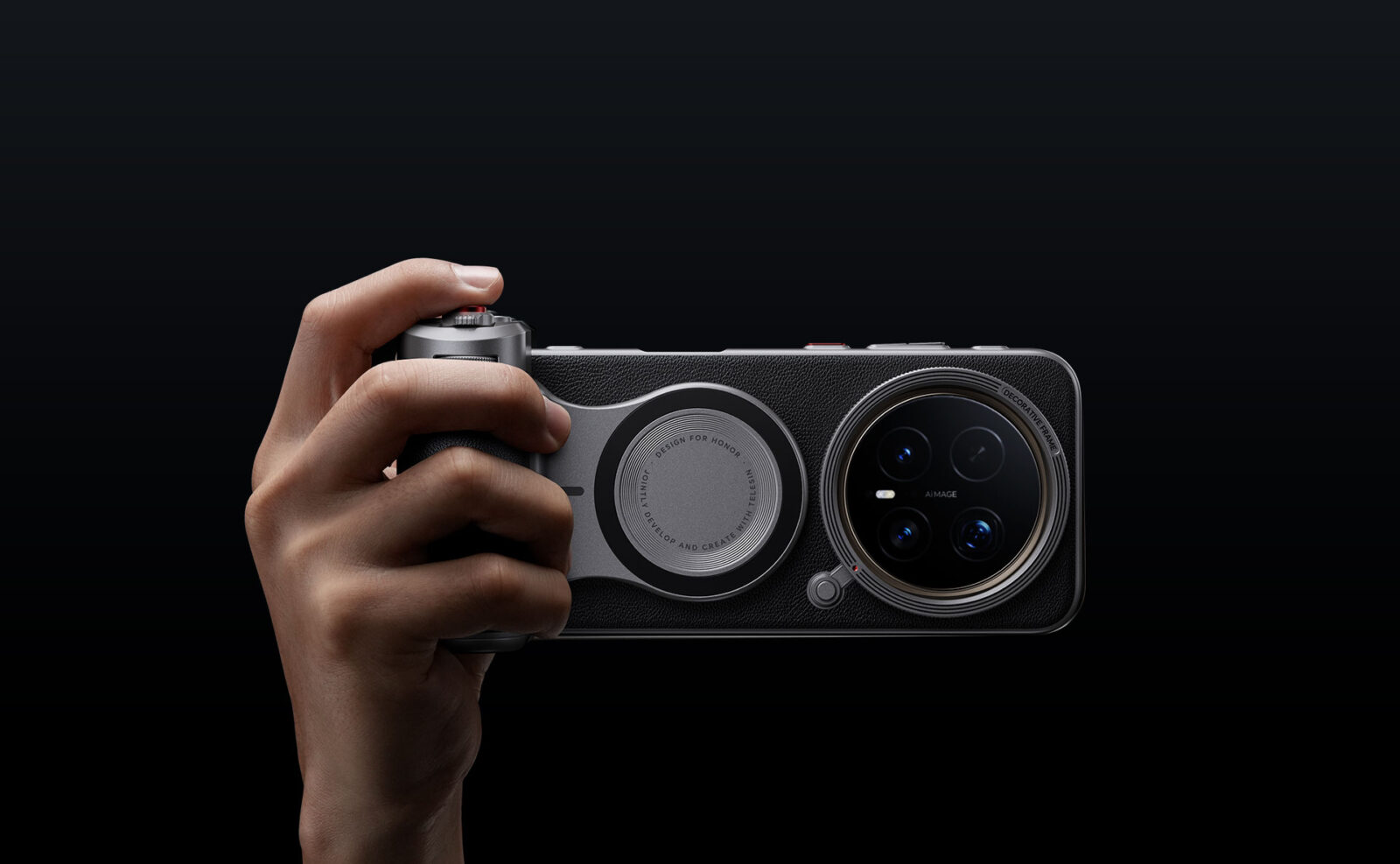
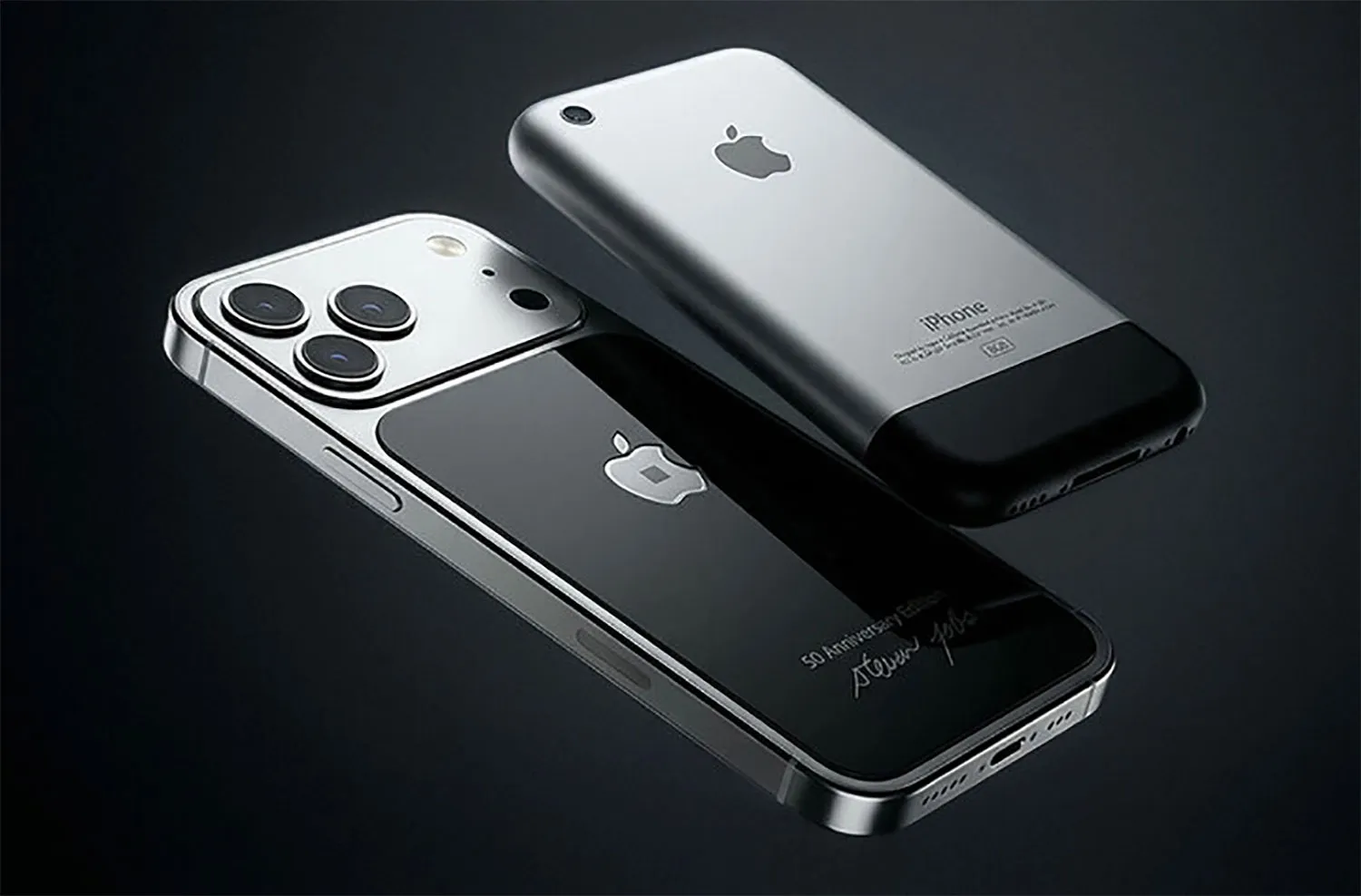
When the iPhone first launched, many companies ditched their own signature touches and opted for the too common black phone with a black front screen look. Creativity took a little break, with everyone carrying identical phone devices – but this brought to life a multimillion dollar market of phone customisations – all sorts of different accessories, stickers, cases, stands, clip ons, artwork among other things to adorn the iPhones and Samsungs and everything in between.
This extension of identity does not stop with mobile devices, though; certainly, it extends to all electronics we posses. Take the case of wearables, for example, and specifically the Apple Watch. Apple is rather proud of its creation, often reminding Swiss watchmakers that they are in trouble – a significant amount of effort and care has been put into the creation of the Apple Watch, which comes in different straps and sizes and costs, and even in gold. The Apple Watch is a piece of technology for sure, but ultimately it is a fashion accessory.

Manufacturers are riding on the trend of wearables as fashion accessories. The LG Urbane is a smart watch that could be mistaken for any normal watch, moreso than Apple’s. Even in the advertising, it is shown off as a fashion accessory rather than for its functions; indeed, it does look like a double-spread ad by a luxury brand, as you can see in the image below.

Wearables are the future and the evolution of technology, blending right into our identity and lives in ways unprecedented before. The recently announced Project Jacquard by Google will blend technology into wearable fabrics, cut and styled by designers from around the world. Very soon, we will be wearing designer technology-infused suits, dressed, and all sorts of garments. For example, Google has partnered with Levis to integrate the technology into the fabrics.
In the near future, we will not only be looking at technology in terms of specs, but rather in how it looks good on us and how it fits our identity. To a large degree, we already do that when we choose our phones and our home technologies … but with more and more devices becoming fashion statements, it is inevitable that we no longer look at technology as only tools, but rather as pieces of fashion.