

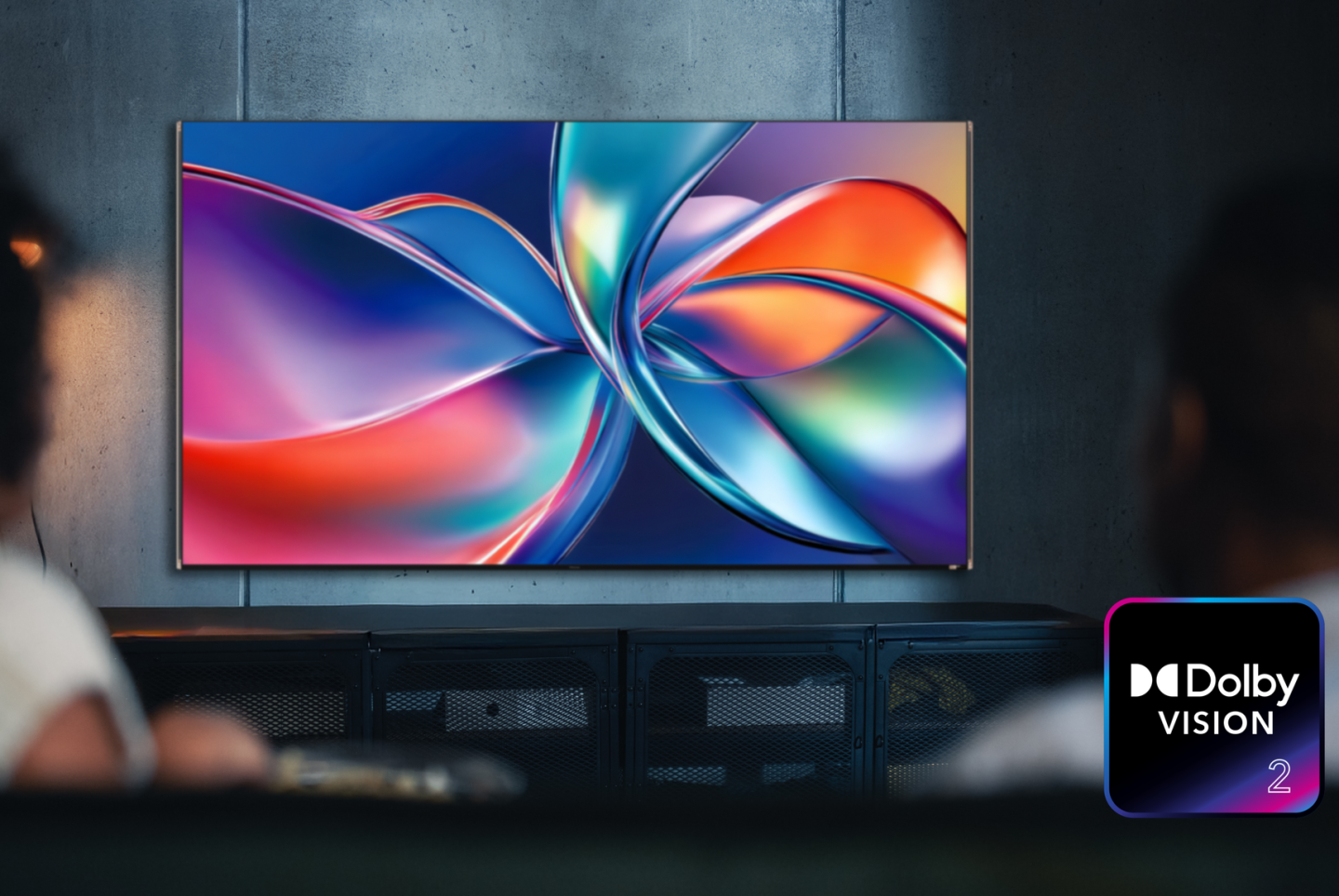
or years, Dolby Vision has been the gold standard for HDR video, raising the bar for color accuracy, contrast, and overall image quality. At IFA 2025, Dolby unveiled the next step in that evolution: Dolby Vision 2, a platform designed to make HDR smarter, more adaptive, and better suited to the realities of modern viewing habits.
The key innovation is something Dolby is calling “Content Intelligence.” Unlike previous iterations that primarily adjusted playback based on ambient lighting conditions, Dolby Vision 2 also takes into account the type of content being played and the specific capabilities of the playback device. That means a movie, a live sports event, and a video game could each be optimized differently, even on the same television. Dolby is also introducing “Precision Black,” a feature that enhances clarity in dark scenes, along with bi-directional tone mapping that gives content creators more freedom to push their visuals without worrying about how they’ll be interpreted on different displays.
What makes Dolby Vision 2 interesting is the timing. Hardware improvements in televisions—things like resolution bumps and incremental brightness gains—have started to plateau. Manufacturers now need software-level enhancements to differentiate their premium models, and Dolby is offering exactly that. If TV makers adopt it widely, Dolby Vision 2 could help prolong the upgrade cycle by making HDR feel more dynamic and tailored. But success will depend not only on hardware partners but also on streaming platforms. If Netflix, Disney+, and Amazon Prime Video embrace the format quickly, Dolby could solidify its hold on premium home entertainment. If adoption is slow, Dolby Vision 2 risks being another half-step upgrade that most consumers never notice.
Still, the announcement underscores Dolby’s role as one of the few companies capable of shaping the future of how we consume video. By focusing on intelligence rather than raw specs, Dolby Vision 2 could be the feature that keeps HDR feeling fresh for years to come.