
Anthropic has expanded the practical scope of its AI assistant, Claude, by allowing users to work directly inside a growing list of third-party productivity apps without leaving the chat interface. The new capability lets Claude interact with tools such as Slack, Figma, Canva, and Asana in a more hands-on way, moving beyond simple suggestions or summaries.
At the center of this expansion is the Model Context Protocol, or MCP, an open-source standard Anthropic introduced in late 2024. MCP is designed to let AI systems interact with external tools and data sources in structured, predictable ways. Instead of copying information back and forth between a chatbot and another app, users can now take actions, update content, and explore data directly within Claude. Over the past year, MCP has gained traction across the industry, with developers and platforms building servers that expose their tools to AI-driven workflows.
Anthropic has since placed MCP under the stewardship of the Linux Foundation’s Agentic AI Foundation, a move intended to encourage broader adoption and governance beyond a single company. While other major technology firms, including Apple, have signaled interest in MCP-style integrations, progress outside Anthropic’s ecosystem has been uneven so far.
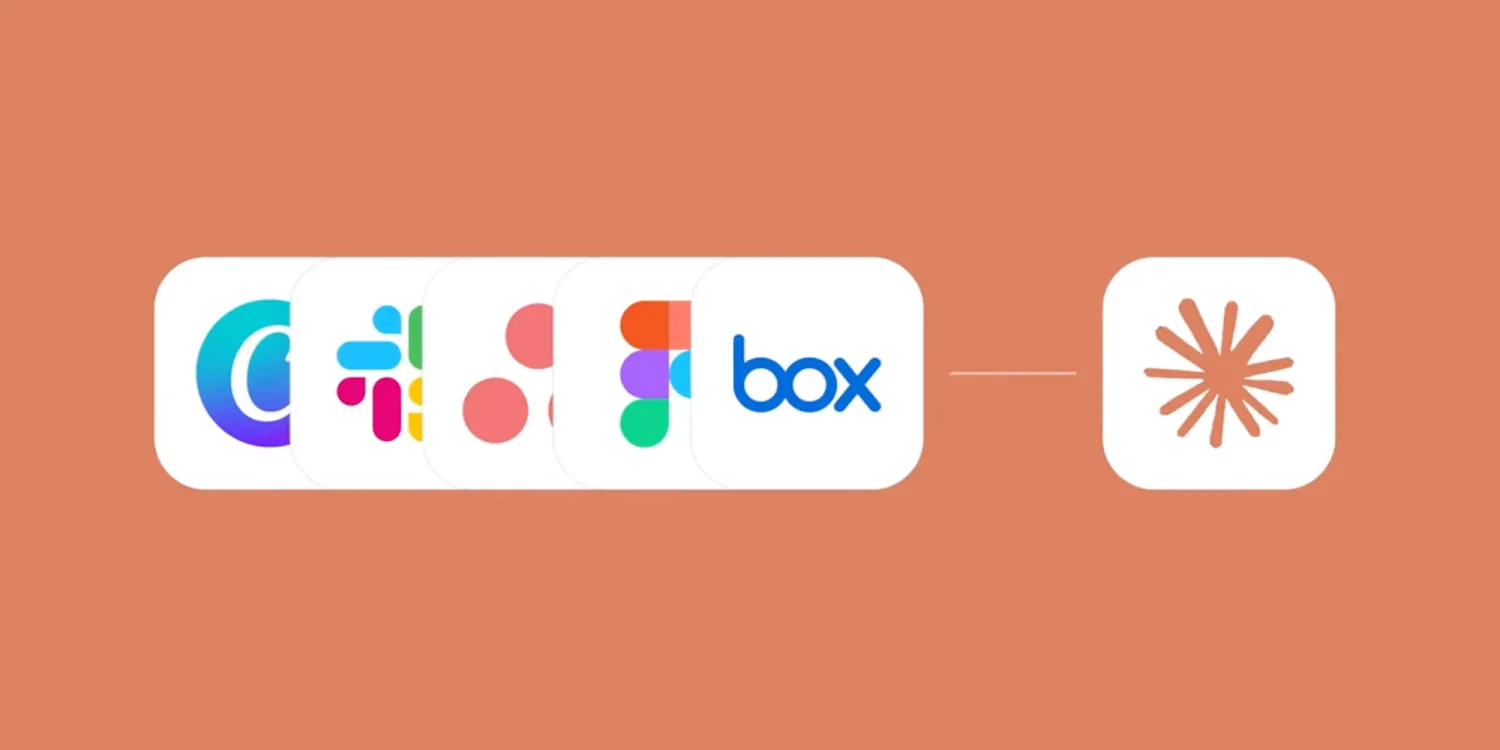
With this latest update, nine productivity platforms are now accessible as interactive apps inside Claude. Rather than treating these services as static data sources, Claude can perform contextual actions tailored to each tool. In Asana, conversations can be turned into structured projects, tasks, and timelines. In Slack, users can search past conversations for context, draft messages, and review them before posting. Figma support focuses on FigJam, allowing text prompts to generate flow charts, diagrams, and planning visuals. Canva integration enables users to sketch out presentations and adjust design elements in real time, while tools like Box, Hex, Amplitude, Clay, and monday.com focus on document analysis, data exploration, research, and project tracking.
Anthropic says the goal is to reduce friction between thinking, planning, and execution by keeping work inside a single interface. Instead of switching between tabs and apps, users can ask Claude to perform actions where the work already lives. This approach reflects a broader shift in AI tooling, where chat-based interfaces increasingly function as orchestration layers rather than standalone assistants.
The company has also confirmed that deeper enterprise integrations are on the way, including support for Salesforce through its Agentforce 360 initiative. That addition is intended to give teams access to organizational context and workflows inside Claude, though no specific release date has been shared.
For now, these integrations are available through Claude’s app directory, where users can explore connectors built on MCP. While the feature set will likely evolve, the current rollout suggests a measured push toward making AI a more active participant in everyday work, without fully replacing the tools professionals already rely on.