
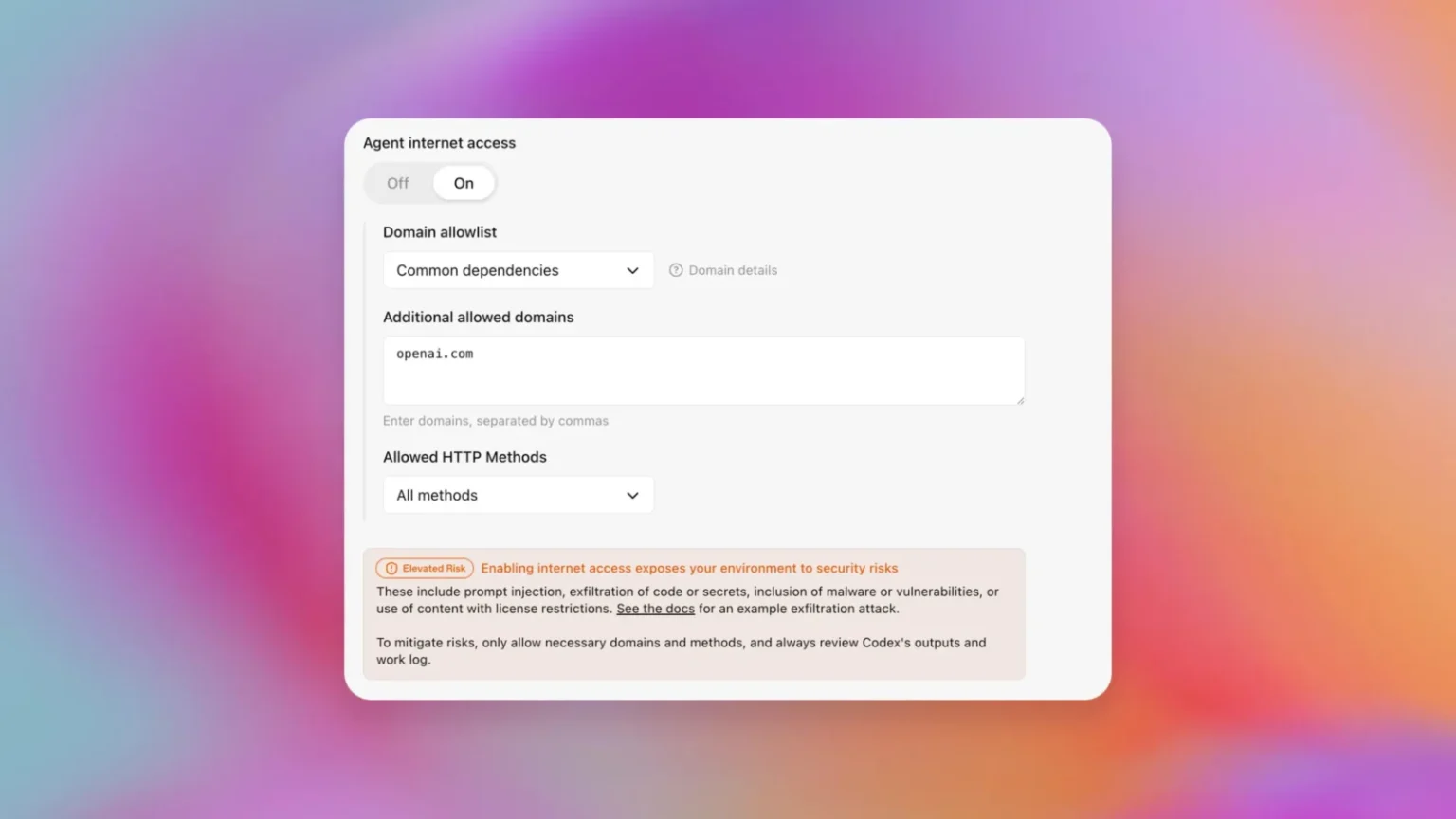
OpenAI has introduced a new ChatGPT Lockdown Mode, a security-focused setting designed for people who operate in high-risk digital environments. The company has been clear from the outset: this feature is not intended for the average user. Instead, ChatGPT Lockdown Mode is aimed at journalists, activists, legal professionals, and others who may face targeted cyber threats or heightened surveillance concerns.
At its core, Lockdown Mode reduces ChatGPT’s functionality to minimize exposure. OpenAI describes the change as shrinking the system’s “attack surface,” meaning fewer features that could potentially be exploited. While this approach improves security, it also limits convenience and capability.
One of the most noticeable changes involves web browsing. With ChatGPT Lockdown Mode enabled, the system can only access cached web content. It no longer pulls live information from the internet. That restriction lowers the risk of sensitive data being transmitted externally but also increases the likelihood of incomplete or outdated search results. For users who rely on real-time information, this trade-off may be significant.
Image handling is also restricted. ChatGPT cannot include images in its responses when Lockdown Mode is active. However, users can still upload their own images and continue to use image generation tools. The limitation mainly affects how the model retrieves and displays external visual content, rather than shutting down visual workflows entirely.
Advanced features take a more substantial hit. Deep Research, which enables multi-step analytical tasks, is disabled. Agent Mode, designed to allow more autonomous actions, is also unavailable. These features increase the system’s independence and reach, so disabling them reduces risk but narrows the tool’s scope.
File and network access are similarly constrained. Code generated in Canvas cannot be approved for network access, and ChatGPT cannot download files for analysis. Users may still upload files manually, but the model will not fetch or interact with external data sources on its own. In practical terms, Lockdown Mode shifts ChatGPT from a connected assistant to a more self-contained one.
Currently, ChatGPT Lockdown Mode is available to ChatGPT Enterprise, Edu, ChatGPT for Healthcare, and ChatGPT for Teachers customers. In organizational settings, administrators manage the feature at the workspace level. They can create a dedicated Lockdown Mode role and assign it selectively, rather than applying restrictions across an entire organization. OpenAI has indicated that consumer and team plans will receive access in the coming months.
Whether you should enable ChatGPT Lockdown Mode depends on your threat model. For most users, the standard security protections built into ChatGPT are likely sufficient. The added restrictions can reduce flexibility and limit advanced capabilities that many professionals depend on daily. However, for individuals handling sensitive investigations, confidential sources, or regulated data, the tighter controls may offer added peace of mind.
In short, ChatGPT Lockdown Mode prioritizes caution over convenience. It is not a universal upgrade but a targeted safeguard. Before enabling it, users and organizations should weigh the security benefits against the functional trade-offs and decide whether the additional constraints align with their actual risk exposure.