
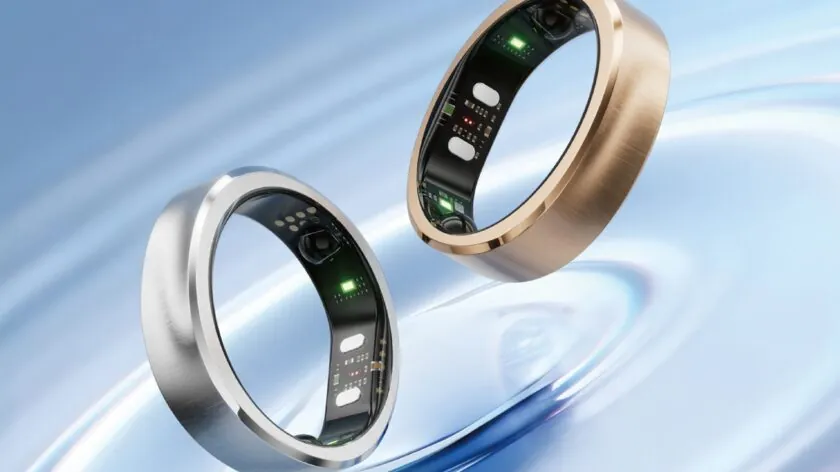
Smart rings have occupied a relatively stable corner of the wearables market for the past few years, offering incremental refinements rather than clear reasons to replace a device that still functions well. That pattern is beginning to shift, and the RingConn Gen 3 illustrates how the category is slowly broadening its appeal. Unveiled at CES 2026, the latest ring from RingConn introduces a handful of changes that, taken together, make it more than a routine refresh.
The most notable addition is blood pressure insights, a feature that has started to appear across next-generation smart rings. RingConn is careful not to position this as medical-grade monitoring. Instead, the system focuses on tracking patterns over time, allowing users to observe gradual changes that may warrant attention. This approach mirrors how many wearables now handle sensitive health data, prioritizing long-term awareness rather than single-point accuracy. For users already accustomed to sleep, heart rate, and activity tracking, blood pressure trends add another layer of context without overpromising clinical precision.
Another meaningful update is the inclusion of a built-in vibration motor. Previous RingConn models depended entirely on a connected smartphone for alerts, which limited how independently the ring could function. With Gen 3, notifications and health prompts can be delivered directly through subtle vibrations on the finger. This makes the device more practical for situations where a phone is not immediately accessible and aligns it more closely with the expectations set by smartwatches, albeit in a quieter, less intrusive form.
Design and fit also receive attention. The Gen 3 remains titanium-based but expands into five finishes, including brushed metallic options and a matte black variant that leans more toward understated jewelry than visible tech. Sizing has been extended as well, now covering sizes 6 through 15. That wider range addresses a long-standing limitation of smart rings and reflects a growing emphasis on inclusivity and comfort rather than one-size-fits-most assumptions.
Battery life is expected to improve thanks to an updated power system, though final figures have yet to be confirmed. If the gains are modest but consistent, they will build on the Gen 2’s already respectable endurance rather than radically changing usage habits.
The RingConn Gen 2 remains a capable device, particularly for users who value lightweight construction, solid sleep tracking, and the absence of subscription fees. What it lacked was direct interaction and deeper health insights. Gen 3 does not redefine what a smart ring is, but it fills those gaps in a measured way. For existing owners, the decision to upgrade will depend on how much value they place on blood pressure trend tracking and on-ring alerts. For new buyers, it represents a more complete and balanced entry into the smart ring category.