

As 2025 comes to a close, attention across the hardware world turns to CES 2026, once again set to take over Las Vegas from January 6 to January 9. The Consumer Electronics Show remains the industry’s most compressed snapshot of where consumer technology is headed, not because it delivers perfectly finished products, but because it exposes the experiments, compromises, and platform decisions that shape the next one to two years of devices.
CES has increasingly become less about headline gadgets and more about systems. PCs, chips, displays, smart home infrastructure, robotics, automotive software, and power technologies now dominate the show floor. While major brands draw crowds, the real value for enthusiasts and professionals often lies in the volume of mid-sized and specialist companies using CES to demonstrate working hardware, reference designs, and near-term products.
Samsung is returning with a familiar CES focus on appliances, displays, and connected home hardware rather than smartphones. Its emphasis on AI-assisted refrigerators and smart home integrations reflects a broader industry push to embed generative AI into routine domestic workflows. New television hardware is expected to follow Samsung’s usual iterative update cycle, while major mobile announcements appear unlikely.
Lenovo is positioning CES as a platform for experimentation, with ongoing signals pointing toward unconventional gaming hardware and display form factors. Motorola, under the same corporate umbrella, may use the show to introduce its first book-style foldable phone, expanding beyond its flip-only lineup and testing continued interest in alternative smartphone designs.
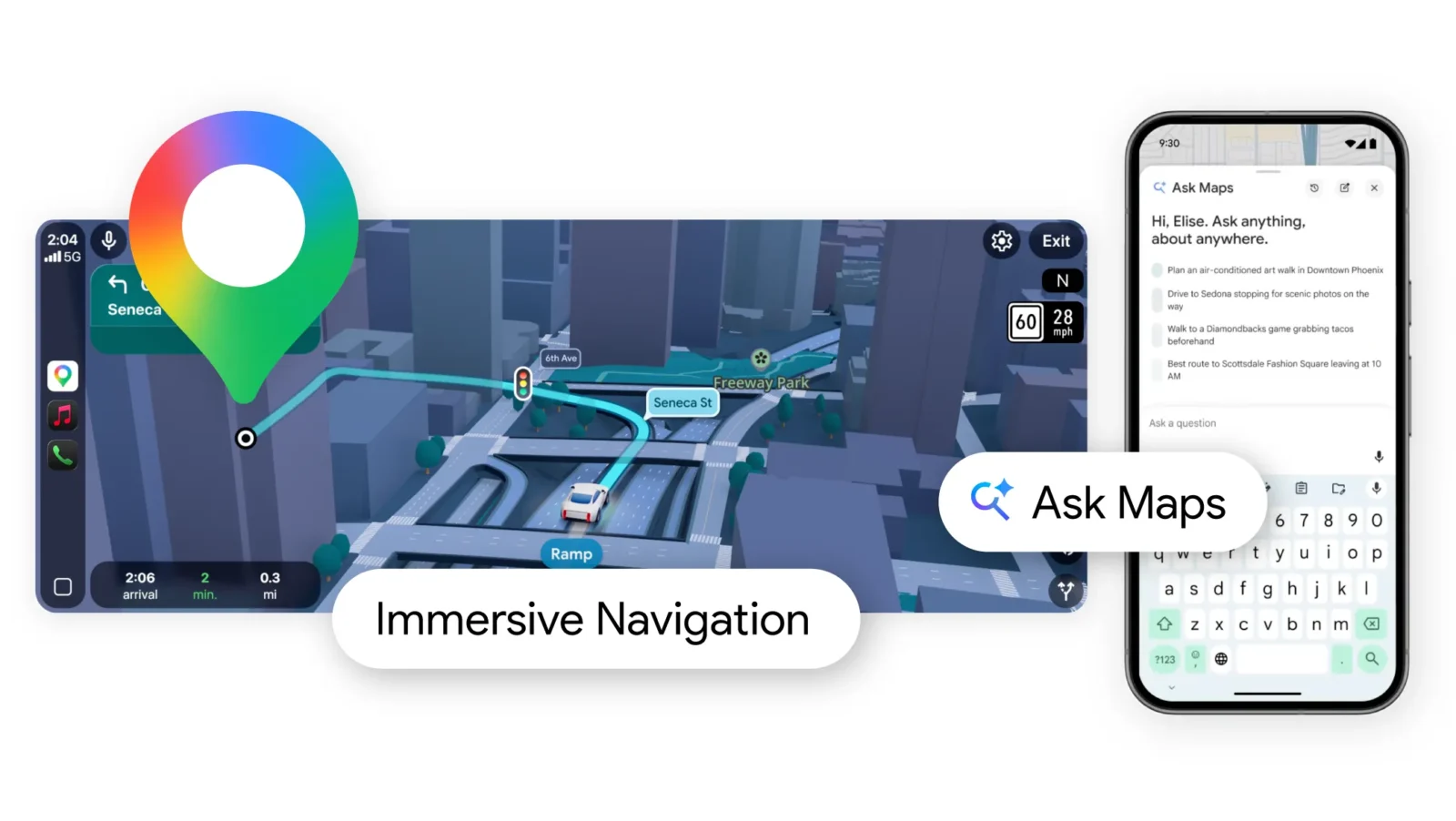
Google has not formally confirmed its presence, but historically uses CES to surface platform-level ideas rather than consumer-ready products. With Android XR and ambient AI gaining traction, any appearance is likely to center on ecosystems, reference hardware, and developer-facing demonstrations.
LG has already confirmed a CES press event focused on AI-driven connectivity across televisions, monitors, audio systems, and appliances. Expectations point toward incremental OLED improvements, expanded gaming displays, and deeper ecosystem integration rather than major category shifts.
TCL is expected to once again emphasize display technology, alternative mobile devices, and cost-efficient hardware that bridges the gap between concept and shipping product.
Automotive technology will also be a visible part of CES 2026, with Mercedes-Benz expected to contribute to the show’s mobility and software narrative. CES has increasingly become a venue for automakers to discuss in-car operating systems, digital cockpits, and AI-driven interfaces rather than traditional vehicle launches, and Mercedes-Benz fits squarely into that shift.
Smart home and robotics will be another dense area of activity, with SwitchBot outlining its Smart Home 2.0 approach. The company is presenting a more unified ecosystem built around embodied AI, anchored by onero H1, a general-purpose household robot designed to handle a range of contact-heavy domestic tasks through integrated vision, depth sensing, and tactile feedback. Alongside robotics, SwitchBot is also showing new biometric smart locks, a lightweight voice-based AI assistant, an E-Ink weather station, and expressive lighting products, reinforcing its move toward broader home automation rather than single-purpose devices.
On the PC and gaming side, Dell and Alienware are expected to continue refining last year’s simplified branding strategy, while Asus should showcase refreshed gaming laptops, handheld devices, and dual-screen productivity concepts that reflect ongoing trade-offs around thermals, battery life, and portability.
Peripheral hardware will also see a steady flow of announcements, including new keyboards, mice, and accessories aimed at streamers and competitive players. Corsair is using CES 2026 to introduce several new input devices, including a full-size gaming keyboard that integrates Stream Deck-style controls, updated DIY and prebuilt mechanical keyboards, refreshed Sabre-series mice built from carbon fiber and magnesium alloys, and a new high-end control mouse pad. These products are being shown privately alongside updates from Corsair’s broader systems and creator-focused lineup, including tools associated with Elgato.
At the silicon layer, Qualcomm is likely to shape much of the PC conversation, as CES 2026 should mark the first broad wave of laptops shipping with Snapdragon 8 Elite Gen 5 and Snapdragon X2 Elite platforms, offering a clearer picture of how ARM-based PCs perform outside controlled demos.
Beyond the larger booths, CES 2026 will also feature a wide range of specialist exhibitors spanning storage, power, wellness, audio, gaming, and accessories. This includes Lexar focusing on next-generation storage for AI and professional workflows; Better Mobile Xperience and PISEN highlighting charging and mobile power solutions; UREVO presenting connected fitness and recovery equipment; and Bluetti showcasing portable and home energy systems. The show floor will also include workspace and home gear from Seenda and Dangbei, gaming peripherals from GameSir, creator audio tools from Maono, consumer robotics from Enabot, smart home and charging ecosystems from UGREEN, haptic audio devices from WOOJER, travel and power accessories from Tessan, and accessible home audio from Majority.
Collectively, these exhibitors form the connective tissue of CES, filling in the practical details between platform announcements and future-facing concepts. Absolute Geeks will cover CES 2026 and its announcements as they happen, tracking both the major reveals and the quieter developments shaping the next phase of consumer technology.