

For decades, the basic architecture of air purifiers has remained largely unchanged. Most systems still depend on mechanical filtration, typically HEPA filters paired with high-powered fans, designed to move large volumes of air through dense media over extended periods. While this approach is proven and widely adopted, it brings inherent trade-offs: continuous operation, rising energy consumption, performance loss as filters clog, and recurring costs tied to replacement cartridges.
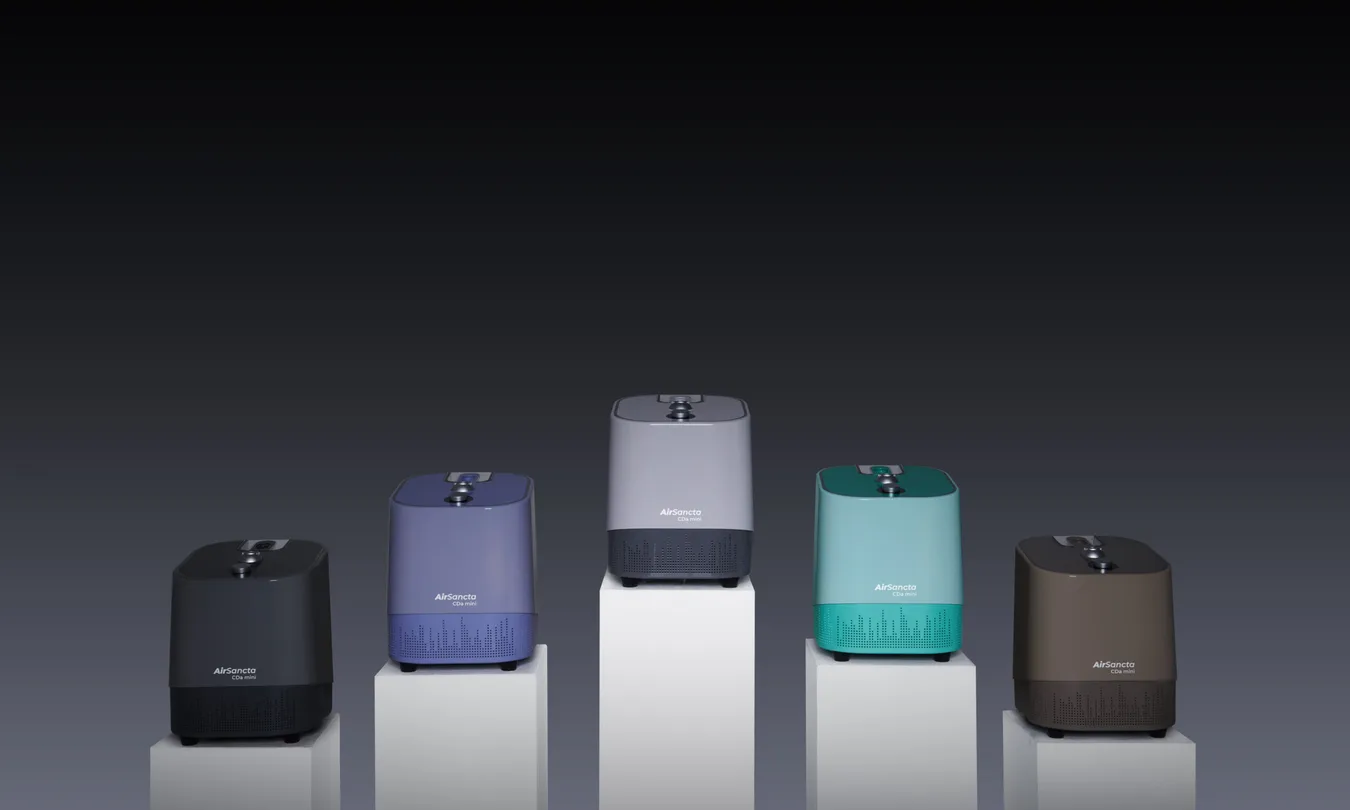
A newer approach emerging from the air purification sector challenges the assumption that constant filtration is the only viable solution. Instead of relying on filters, AirSancta has developed a water-based method that uses controlled bursts of nano-scale water droplets to remove airborne contaminants directly from indoor spaces. The underlying idea is straightforward: airborne particles collide with and bind to these droplets, increasing their mass and causing them to settle out of the air rather than remain suspended.
This technique, referred to as NanoJet technology, shifts air purification from a passive, circulation-heavy model to an active, time-limited process. Rather than pulling air through a device continuously, the system operates in short cycles, often measured in minutes, depending on room size. According to the company, this intermittent operation significantly reduces energy use compared to conventional purifiers that must run for hours to achieve comparable results.
By eliminating disposable filters, the system also avoids a common point of failure in traditional purifiers. Filter-based units gradually lose effectiveness as media becomes saturated, often without clear signals to users. A water-based approach removes that variable, theoretically allowing for more consistent performance over time, provided the mechanical components are properly maintained.
One practical implication of this design is flexibility. Because purification cycles are short, a single mobile unit can be used across multiple rooms as part of routine cleaning or facilities management. In residential settings, this may reduce the need for multiple devices. In offices, clinics, or shared environments, it could lower upfront equipment costs and simplify long-term maintenance planning.
The company positions the technology as suitable for medical-grade applications, aiming to bring some of the air quality benefits associated with hospital HVAC systems into smaller, mobile formats. While full-scale clinical validation and regulatory specifics vary by jurisdiction, the appeal lies in offering higher-grade air treatment without the infrastructure, energy demands, or complexity of centralized ventilation systems.
There are still open questions. Water-based air purification introduces considerations around humidity control, particle resuspension, and real-world effectiveness across diverse indoor environments. As with any alternative to established technology, broader independent testing will be critical to determine how these systems perform outside controlled demonstrations.
Even so, the broader context matters. Indoor air quality is receiving increased attention as buildings become more airtight and people spend more time indoors. Against that backdrop, approaches that reduce energy use, eliminate consumables, and rethink deployment models are likely to gain interest. Whether water-based purification becomes a mainstream alternative or remains a specialized solution will depend on how well it balances efficiency, safety, and cost at scale.