
Baseus is using CES 2026 to flesh out its next wave of charging hardware, with a mix of compact battery packs, higher-wattage chargers, and a desktop hub that pushes well beyond what most people realistically need. Rather than betting on a single hero product, the company’s announcements suggest a strategy built around flexibility: smaller chargers for everyday carry, more powerful options for desks and travel bags, and broader support for the latest Qi standards.
The most prominent new product is the PicoGo AM52 MagSafe battery, a Qi2.2-certified portable charger rated for up to 25W of wireless output. Baseus is positioning it as one of the thinnest MagSafe-style batteries currently available, aiming to minimize the bulk that often comes with magnetic battery packs. In addition to wireless charging, the AM52 includes a USB-C port capable of delivering up to 45W of wired power, allowing it to double as a fast charger for phones, tablets, or other small devices.
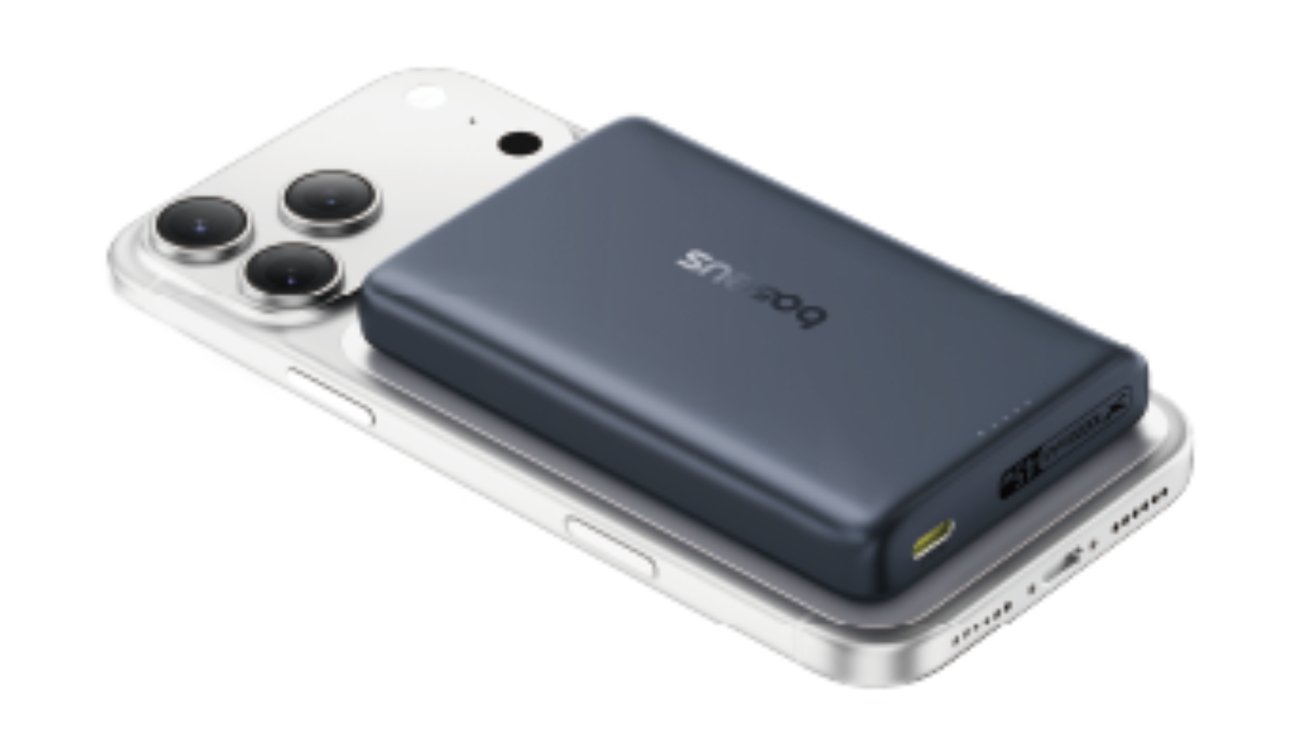
To manage heat at those power levels, Baseus is relying on what it calls Triple-Loop Cooling, a proprietary thermal design intended to keep temperatures down and maintain consistent charging speeds. Whether that approach meaningfully improves real-world performance remains to be seen, but it reflects a growing emphasis on thermal management as portable chargers become thinner while pushing higher wattage. The PicoGo AM52 is scheduled to launch in mid-January, with pricing still to be announced.
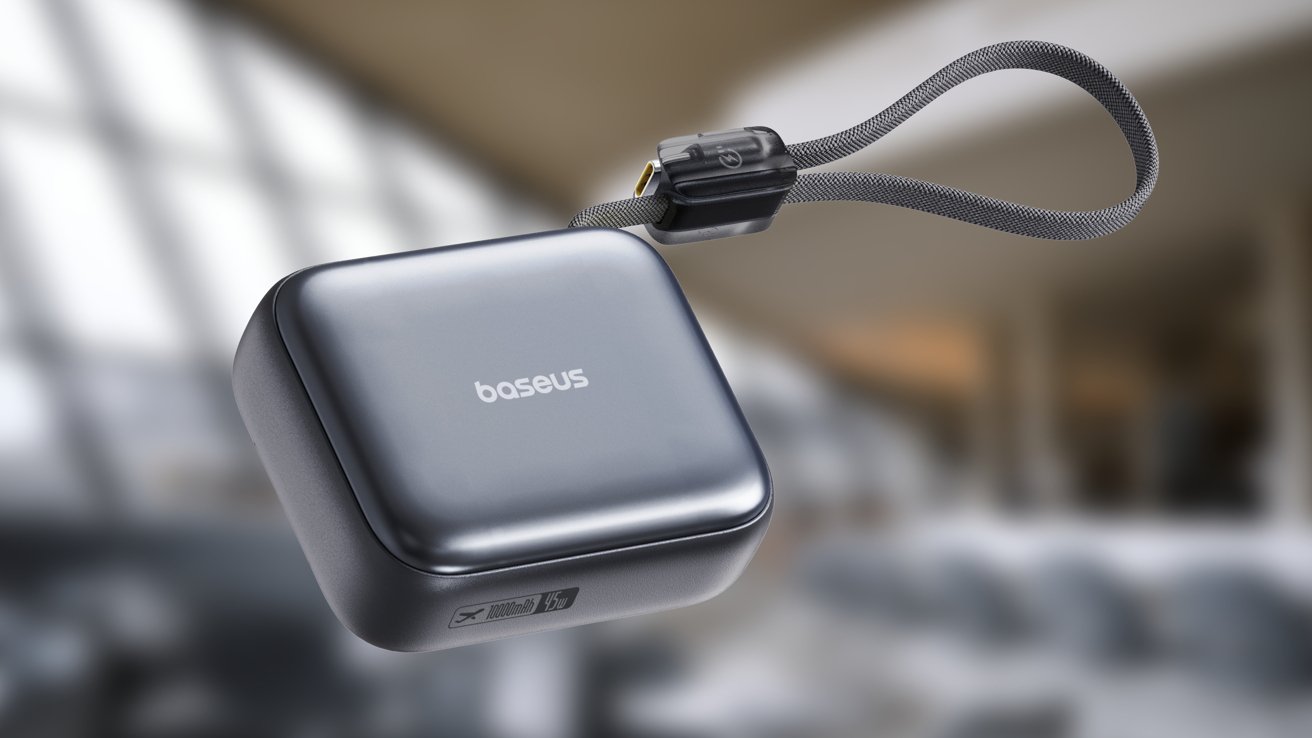
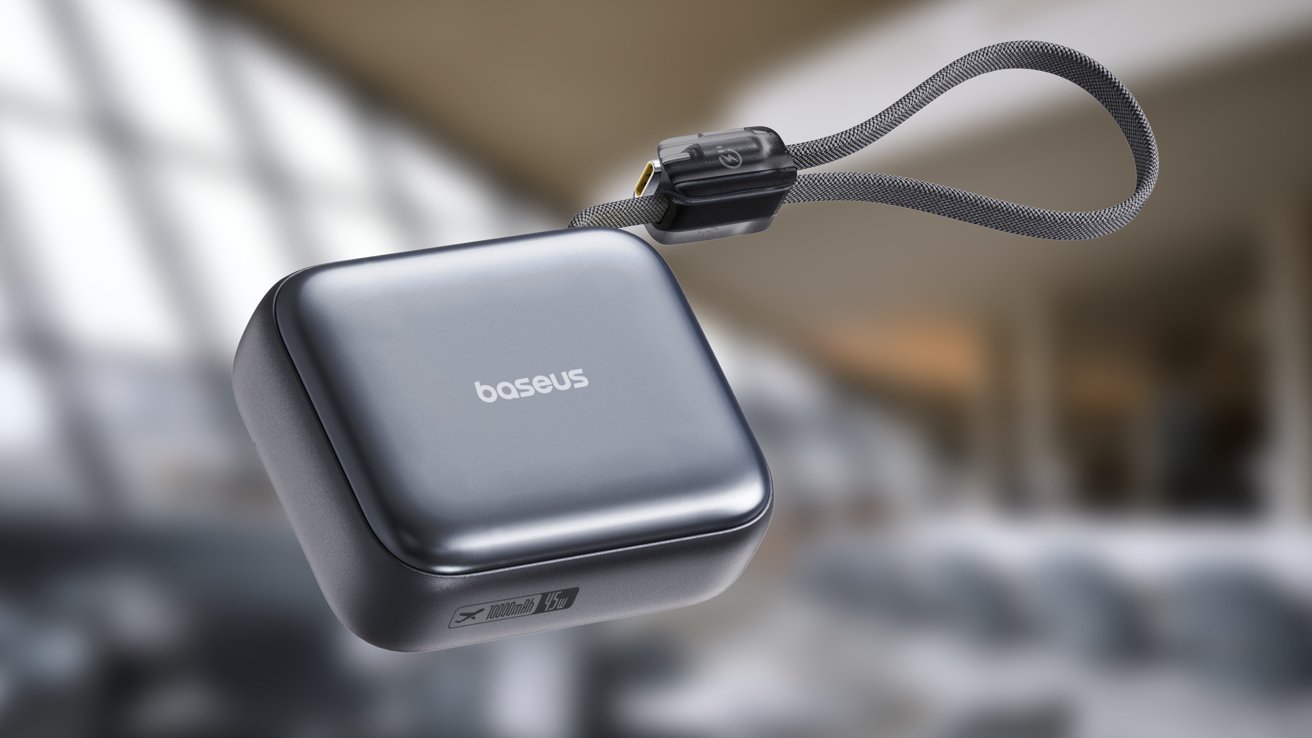
Arriving shortly after, in the first quarter of 2026, is the Baseus AC22 Ultra Mini power bank. This model takes a different approach, focusing on compactness rather than wireless charging. With a 10,000 mAh battery, the AC22 Ultra Mini is roughly the size of a wireless earbuds case, making it easier to slip into a pocket or small bag. A built-in USB-C cable wraps around the body and doubles as a carrying strap, reducing the need to bring extra cables. A small display shows remaining battery status, and an additional USB-C port allows a second device to be charged at the same time.
Baseus also previewed two higher-wattage wall chargers that are expected later in 2026. The PicoGo AE11 is rated at 67W, while the AH11 pushes up to 140W and includes a digital display for monitoring output. While details are limited, these chargers appear aimed at users who want a single compact brick capable of powering laptops, tablets, and phones without juggling multiple adapters.
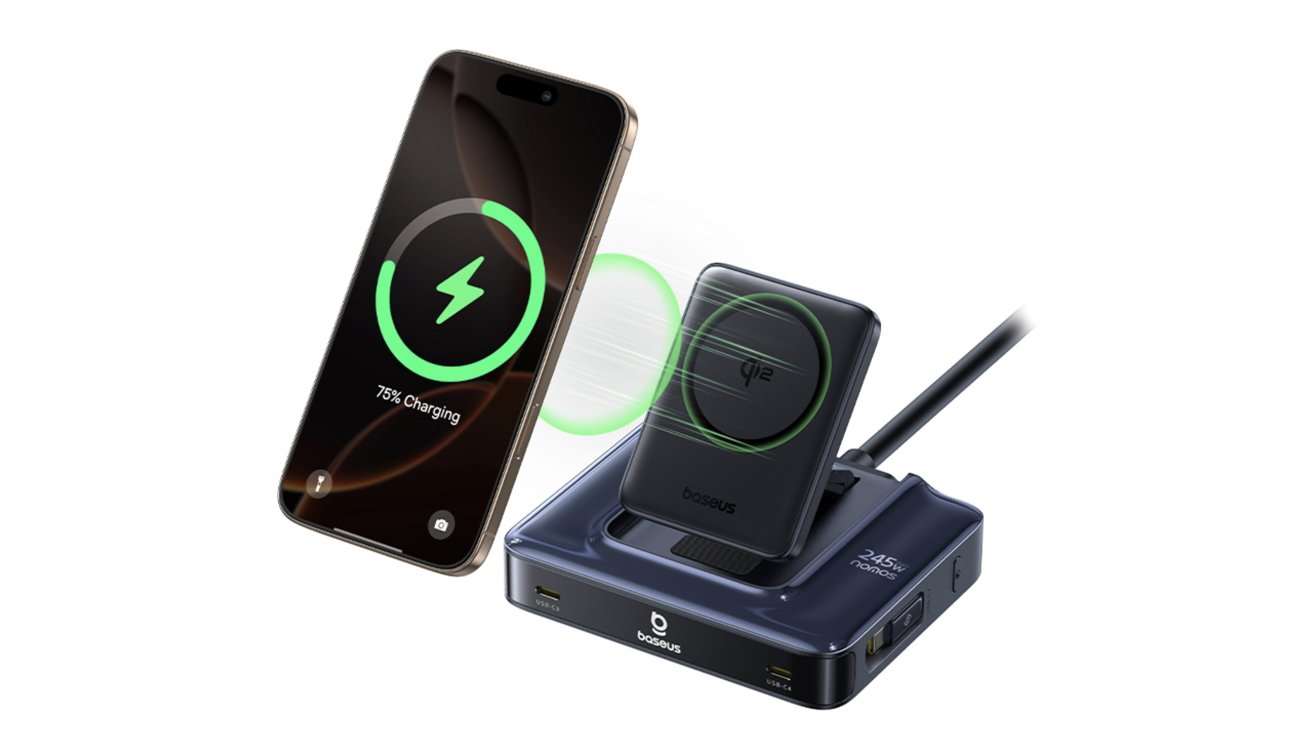
Rounding out the announcements is the Nomos NH21 6-in-1 desktop charger, which Baseus plans to release in late January. With a claimed 245W of total output, it’s clearly designed as a centralized charging station rather than a portable accessory. The NH21 includes two retractable braided USB-C cables built into the unit, along with two additional USB-C ports on the front for extra devices. On top sits an adjustable 15W Qi2 magnetic charging pad, making it possible to charge a phone wirelessly while keeping cables neatly managed. An LCD display provides real-time feedback on power output across connected devices.
Pricing for several of these products has yet to be announced, but the lineup as a whole illustrates where charging accessories are headed. Higher wattage, broader wireless standards support, and more compact designs are becoming baseline expectations rather than premium features. Baseus’ CES 2026 reveals don’t radically change how charging works, but they do show the company steadily refining the balance between power, size, and convenience as more devices compete for space on a single outlet.