


At CES 2026, ASUS outlined a wide-ranging update to its personal computing portfolio, covering creator-focused laptops and tablets, mainstream Copilot+ PCs, and home desktops. Rather than centering the presentation on speculative AI concepts, ASUS positioned its latest devices as incremental steps toward more efficient local computing, where AI acceleration is handled directly on the device through dedicated NPUs.
On the creator side, ASUS continues to invest heavily in its ProArt lineup, pairing high-performance hardware with in-house software tools such as StoryCube, MuseTree, and Creator Hub. These applications are designed to support media organization, ideation, and workflow management without relying solely on cloud services, an approach aimed at professionals who need predictable performance while traveling or working offline.
The ProArt GoPro Edition PX13 targets mobile creators who capture and edit content in the field. Built around AMD’s Ryzen AI Max+ 395 processor with support for large unified memory configurations, the device is intended to handle real-time editing, AI-assisted upscaling, and layered video projects. Its 13-inch convertible form factor, 3K OLED touchscreen, stylus compatibility, and integrated control dial reflect a hybrid design philosophy that blends tablet-style interaction with laptop-level performance. Integration with GoPro services allows direct access to cloud-stored footage and 360-degree video management.
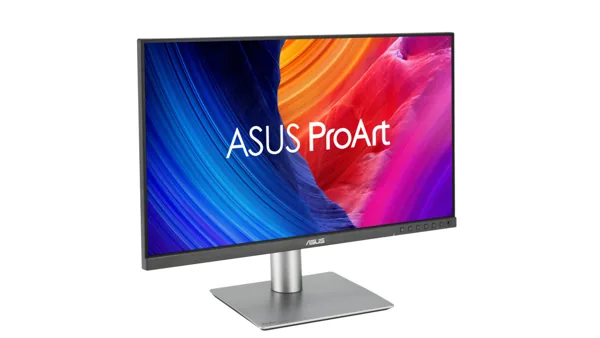
ASUS also introduced the ProArt PZ14 (HT7407), positioned as its most capable creator tablet to date. Powered by the Snapdragon X2 Elite platform, the device delivers high local AI throughput while maintaining a thin, lightweight chassis. With an OLED display focused on color accuracy and a build tested for durability, the PZ14 is aimed at creators who prioritize portability without fully sacrificing performance.
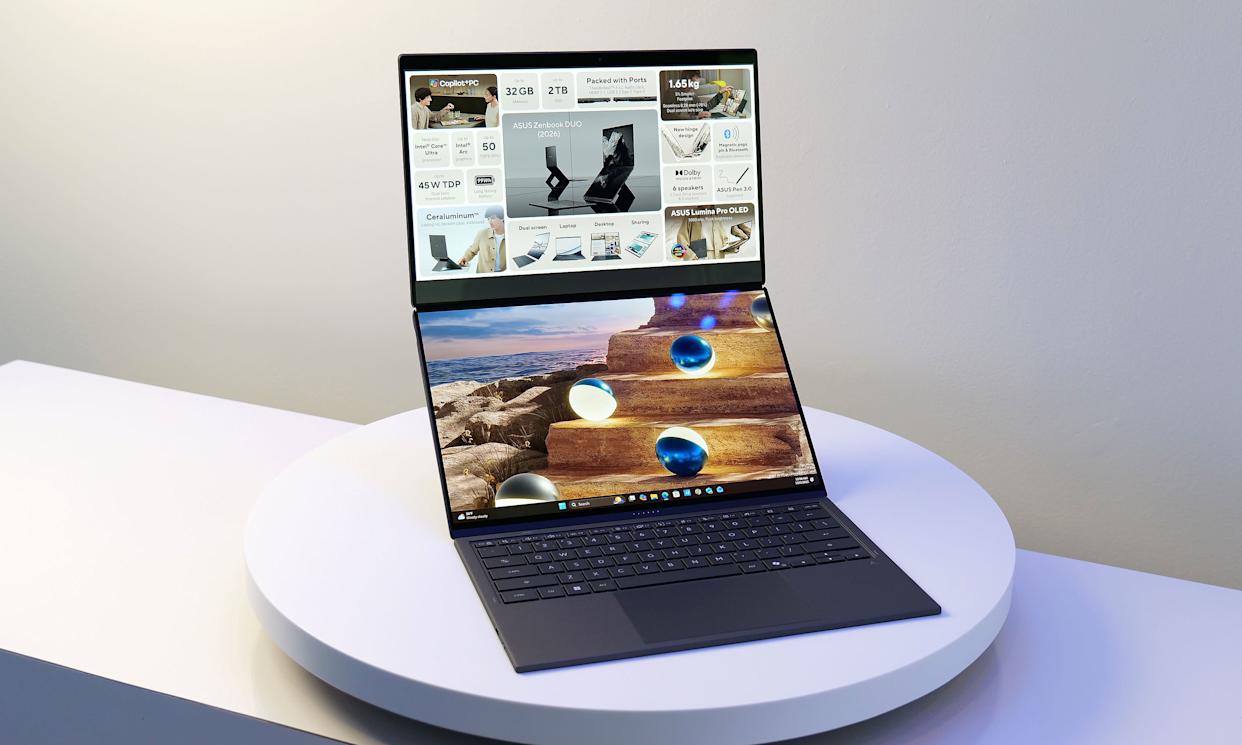
For everyday computing, ASUS expanded its Zenbook range with several distinct models. The Zenbook DUO revisits the dual-screen concept, featuring two 14-inch OLED displays connected by a redesigned hinge that reduces the gap between panels. Powered by Intel Core Ultra Series processors with integrated NPUs, the device is intended for users who rely on multitasking and extended screen real estate, while a large dual-battery setup addresses the added power demands.
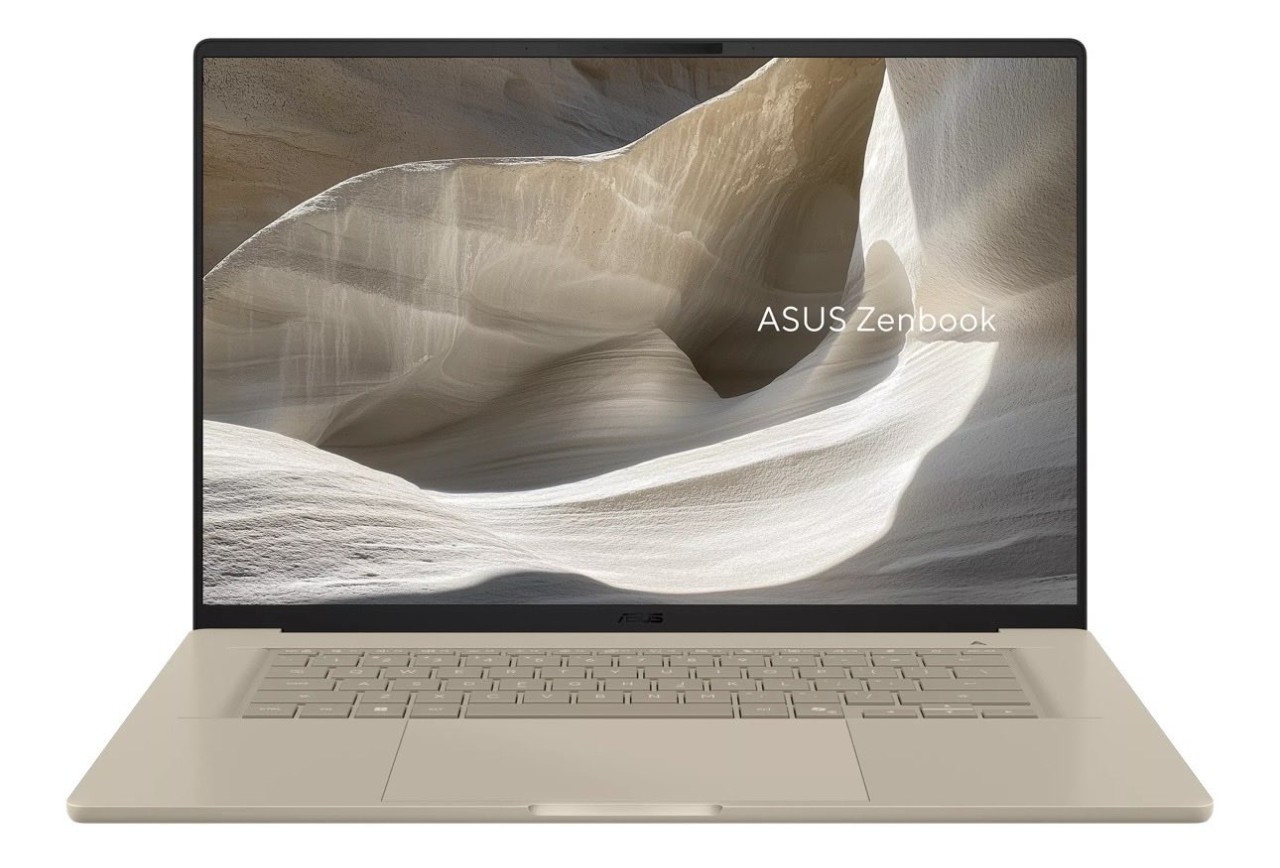
The Zenbook A16 and Zenbook A14 shift the focus toward mobility and battery life. Both models are built on Snapdragon X2 Elite processors and positioned as Copilot+ PCs, emphasizing sustained on-device AI performance, low power consumption, and lightweight construction. The A16 pairs a larger 16-inch OLED display with a relatively slim profile, while the sub-1kg A14 is designed for users who prioritize portability above all else.
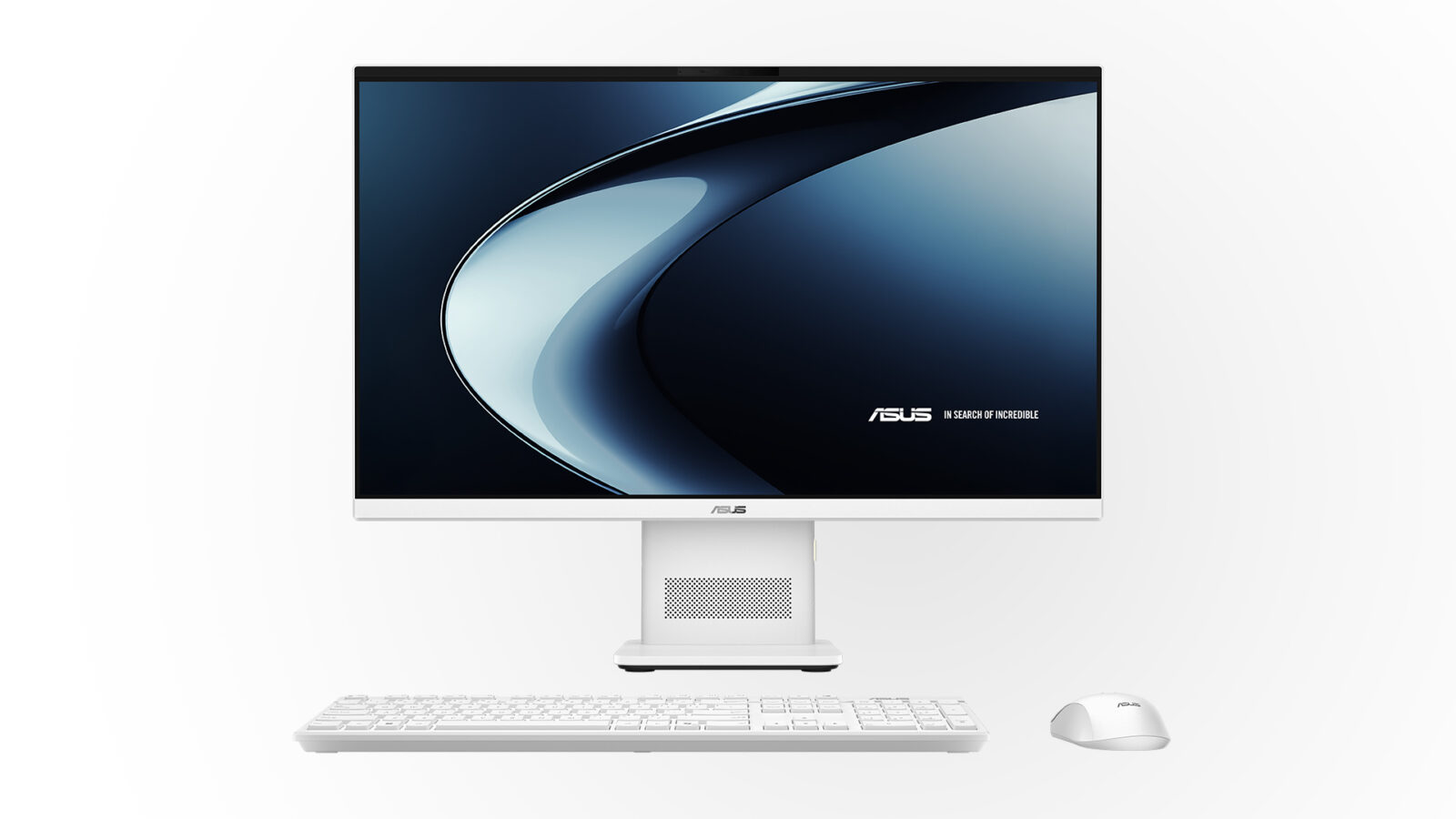
Beyond laptops, ASUS also previewed home-oriented systems. The V400 AiO (VM441QA) is positioned as the first all-in-one Copilot+ PC built on Qualcomm’s Snapdragon X platform, combining a slim 24-inch display with quiet operation and integrated AI acceleration. Alongside it, the ASUS V Series Home Desktop lineup, which includes the VM701MG, VM501MH, V501MV, and V501SV models, targets everyday home computing with a focus on low noise, understated design, and configurable performance options across Intel, AMD Ryzen, and NVIDIA graphics.
Across all of these products, ASUS emphasized reliability and long-term ownership, particularly in regional markets such as the UAE, where selected laptops include a year of complimentary accidental damage coverage. Taken as a whole, ASUS’s CES 2026 announcements reflect a strategy centered on distributing AI capabilities across familiar device categories rather than redefining them, with the goal of making local AI acceleration a standard feature rather than a premium exception.