
With the release of Apple’s M3 MacBook Air, many users are wondering if it’s worth upgrading from their existing M2 model. While the M3 undoubtedly offers enhancements, it may not be a groundbreaking leap that justifies an upgrade for everyone. Let’s delve into the key improvements and considerations to help you make an informed decision.
Key Improvements in the M3 MacBook Air
- Dual Monitor Support (Limited): Perhaps the most notable advantage of the M3 MacBook Air is its ability to support two external monitors simultaneously. This is a significant boon for users who rely on a multiple-monitor setup for productivity or creative work. Unlike the M2 model’s single monitor limitation, the M3 grants more flexibility. However, it’s important to note that the dual-monitor functionality requires the laptop to be used in ‘clamshell mode’ – meaning it needs to be closed with external input devices connected.
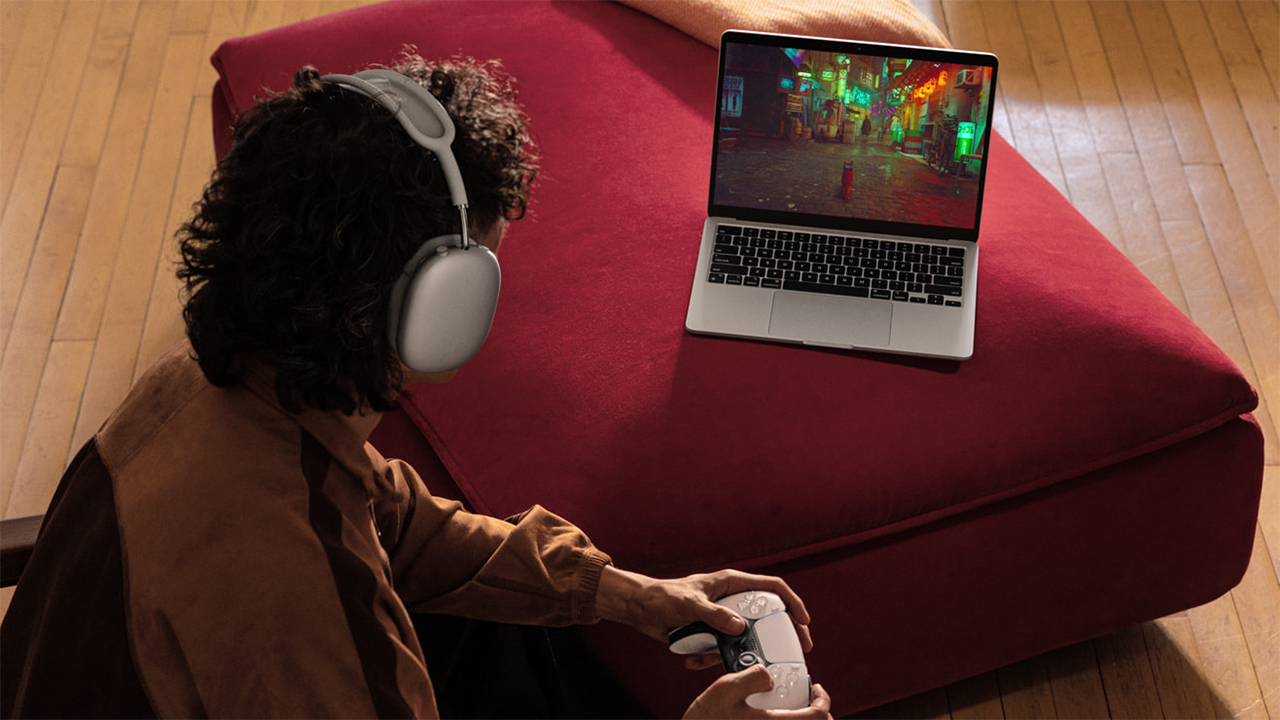
- Enhanced Graphics Performance: Apple touts a 60% improvement in GPU performance with the M3 chip compared to the M1. This translates to smoother and more responsive graphics processing in tasks like gaming and video editing. If your workflow heavily involves graphics-intensive applications, the M3 upgrade could offer a noticeable difference.
- The Potential of AI: While Apple hasn’t elaborated on specific applications yet, the M3 chip is emphasized for its artificial intelligence (AI) capabilities. This suggests that Apple may have exciting plans for leveraging the chip’s potential in enhancing features like Siri or introducing new AI-powered tools within the macOS environment. This forward-looking aspect might appeal to users interested in the future of AI integration on MacBooks.
M3 takes MacBook Air performance even further:
- Game titles like No Man’s Sky run up to 60 percent faster than the 13-inch MacBook Air with the M1 chip.
- Enhancing an image with AI using Photomator’s Super Resolution feature is up to 40 percent faster than the 13-inch model with the M1 chip, and up to 15x faster for customers who haven’t upgraded to a Mac with Apple silicon.
- Working in Excel spreadsheets is up to 35 percent faster than the 13-inch model with the M1 chip, and up to 3x faster for customers who haven’t upgraded to a Mac with Apple silicon.
- Video editing in Final Cut Pro is up to 60 percent faster than the 13-inch model with the M1 chip, and up to 13x faster for customers who haven’t upgraded to a Mac with Apple silicon.
- Compared to a PC laptop with an Intel Core i7 processor, MacBook Air delivers up to 2x faster performance, up to 50 percent faster web browsing, and up to 40 percent longer battery life.
Should You Upgrade? Factors to Consider
The M3 MacBook Air upgrades are tailored to specific needs. Here’s a breakdown of who should and shouldn’t consider the upgrade:
Upgrade Considerations
- Dual Monitor Needs: If you’ve been wishing you could connect two external displays to your MacBook Air, the M3 model makes it possible and could be a primary reason for upgrading.
- Graphics Intensive Work: For professionals reliant on graphics processing power, the M3’s GPU boost could streamline workflows and improve application performance.
- Tech Enthusiasts: Users always keen on the latest technology and excited about potential AI features in future macOS updates might find the M3 an enticing proposition.
Hold Off on Upgrading
- Casual Users: Web browsing, emails, and everyday productivity tasks won’t see a dramatic difference on the M3. Upgrading might not offer significant value if these are your primary use cases.
- M2 Owners Satisfied with Performance: Unless your M2 MacBook Air shows signs of strain in demanding tasks, you likely won’t experience a night-and-day difference by upgrading to the M3.
- Budget Constraints: The M3 models naturally come at a premium compared to their M2 counterparts. If you’re budget-conscious, weigh the advantages against the added cost carefully.
Additional Points
- Size Options: Like the M2, the M3 MacBook Air comes in 13-inch and 15-inch models.
- Pricing: The 13-inch M3 starts at AED AED 4,599, an AED 600 increase over the entry-level 13-inch M2. The 15-inch M3 starts at AED 5,499.
- The M1 is Out: Apple has discontinued the M1 MacBook Air, making the M2 the new baseline model.
The Verdict
The Apple M3 MacBook Air marks a step forward, particularly concerning dual monitor support and graphical performance enhancements. However, its potential truly shines for power users with specific needs. Casual users and satisfied M2 owners may not reap significant benefits from an immediate upgrade. Carefully evaluate your usage patterns and priorities to decide if the M3 features align with your requirements and budget.
See all the new features here.