
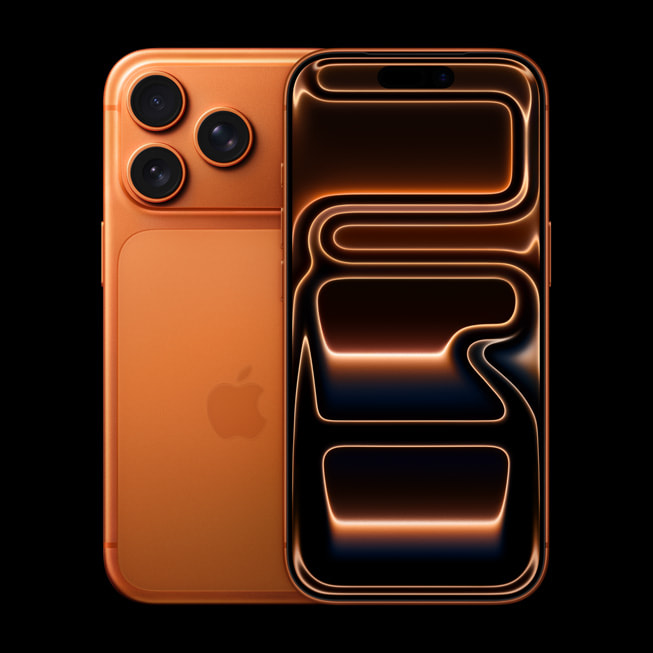
Apple’s iPhones have claimed the top position in the global smartphone market for the first time in a first quarter, according to fresh data from Counterpoint Research. In Q1 2026 the company held roughly 21 percent share, narrowly ahead of Samsung at 20 percent, even as the overall market contracted by 6 percent year on year. It is a notable shift in an industry that has long seen Samsung dominate early-year volumes.
Several factors appear to have aligned for Apple. Strong sales of the iPhone 17 series, generous trade-in programs, and resilient demand in India and the broader Asia-Pacific region helped offset broader softness. Samsung, by contrast, saw a modest decline linked to delayed product launches and softer entry-level demand. The figures illustrate how even established leaders remain vulnerable when consumer spending tightens and launch cycles slip.
Google’s Pixel lineup, meanwhile, posted a more surprising 14 percent year-on-year increase in the same period. In a shrinking market, that growth stands out. The gains are being tied to Google’s emphasis on AI-driven features, advanced computational photography, and a streamlined software experience, with the arrival of newer models such as the Pixel 10a providing additional momentum. Pixel remains far from challenging the top three vendors in volume, yet the consistent upward trajectory suggests the brand is successfully building a loyal premium niche rather than chasing mass-market scale.
This divergence highlights two distinct strategies playing out in a challenging environment. Apple continues to leverage its ecosystem strength and brand power to defend and expand its position at the high end. Google, for its part, appears content to grow more slowly but more deliberately, betting that software differentiation and camera performance can sustain interest among users who prioritize experience over sheer hardware specs.
The broader context is worth noting. Global smartphone shipments have been under pressure for several quarters now, with economic caution, longer replacement cycles, and saturation in mature markets all playing a role. In such conditions, any meaningful growth becomes noteworthy, particularly when it comes from a player like Google that historically struggled to convert its software advantages into hardware sales.
For consumers, the numbers reinforce a familiar pattern: the premium segment remains relatively resilient while budget and mid-range segments feel the pinch. Apple’s Q1 leadership may not signal a permanent reordering of the industry rankings, but it does show how timing, marketing, and regional execution can tilt results in a flat or declining market. Google’s quieter progress, meanwhile, serves as a reminder that steady, focused improvement can still yield results even when overall demand is soft.
Whether these trends hold through the rest of 2026 will depend on how the major players navigate upcoming product cycles, pricing strategies, and any shifts in economic conditions. For now, the early-year data paints a picture of an industry in transition, where scale still matters but targeted differentiation is proving increasingly important.