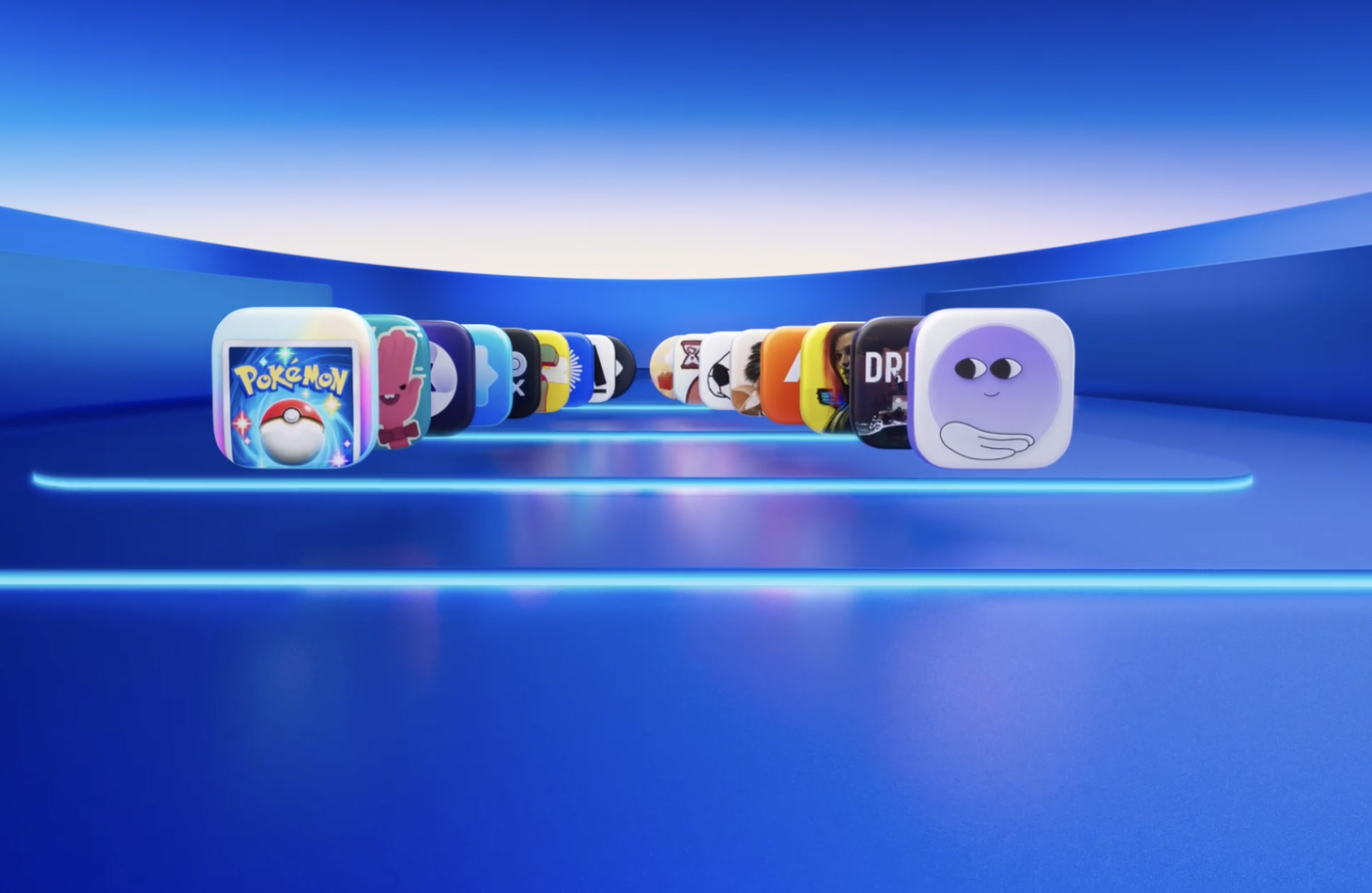
Apple has announced the winners of its 2025 App Store Awards, selecting 17 apps and games from a pool of 45 finalists. Although the announcement comes wrapped in celebratory language, the core takeaway is that these awards offer a snapshot of how developers are responding to evolving user expectations across productivity, creativity, accessibility, and entertainment. Rather than centering on grand claims of disruption, the list illustrates a more grounded trend: apps and games that refine existing workflows, make complex tasks more approachable, and explore new device capabilities without relying purely on spectacle.
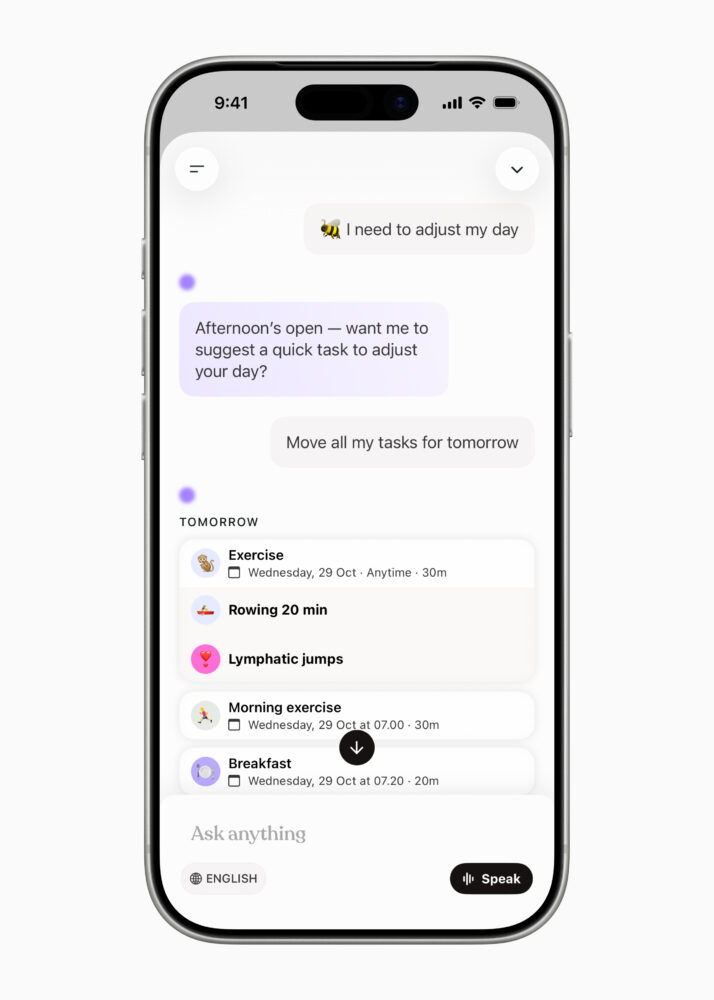
The iPhone App of the Year, Tiimo, reflects the continued demand for organizational tools that balance clarity with flexibility. Its visual planner and AI-supported prompts are aimed at helping users move from abstract intention to concrete routines. Such tools have grown increasingly common, but Tiimo’s recognition shows how planning apps remain relevant when they offer structure without adding cognitive load.
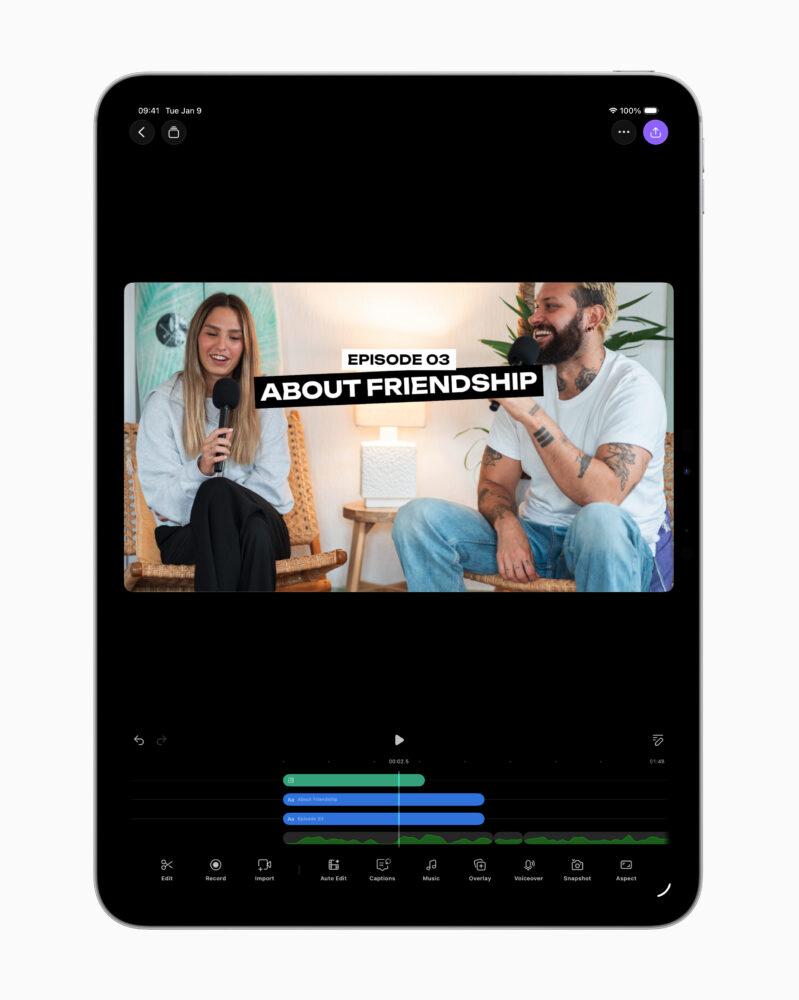
Detail, honored as the iPad App of the Year, focuses on video editing for creators who want to produce polished content without investing in professional-grade hardware or software suites. By combining a touch interface with AI-assisted editing, it demonstrates how tablets continue to carve out space as intermediate creative devices.
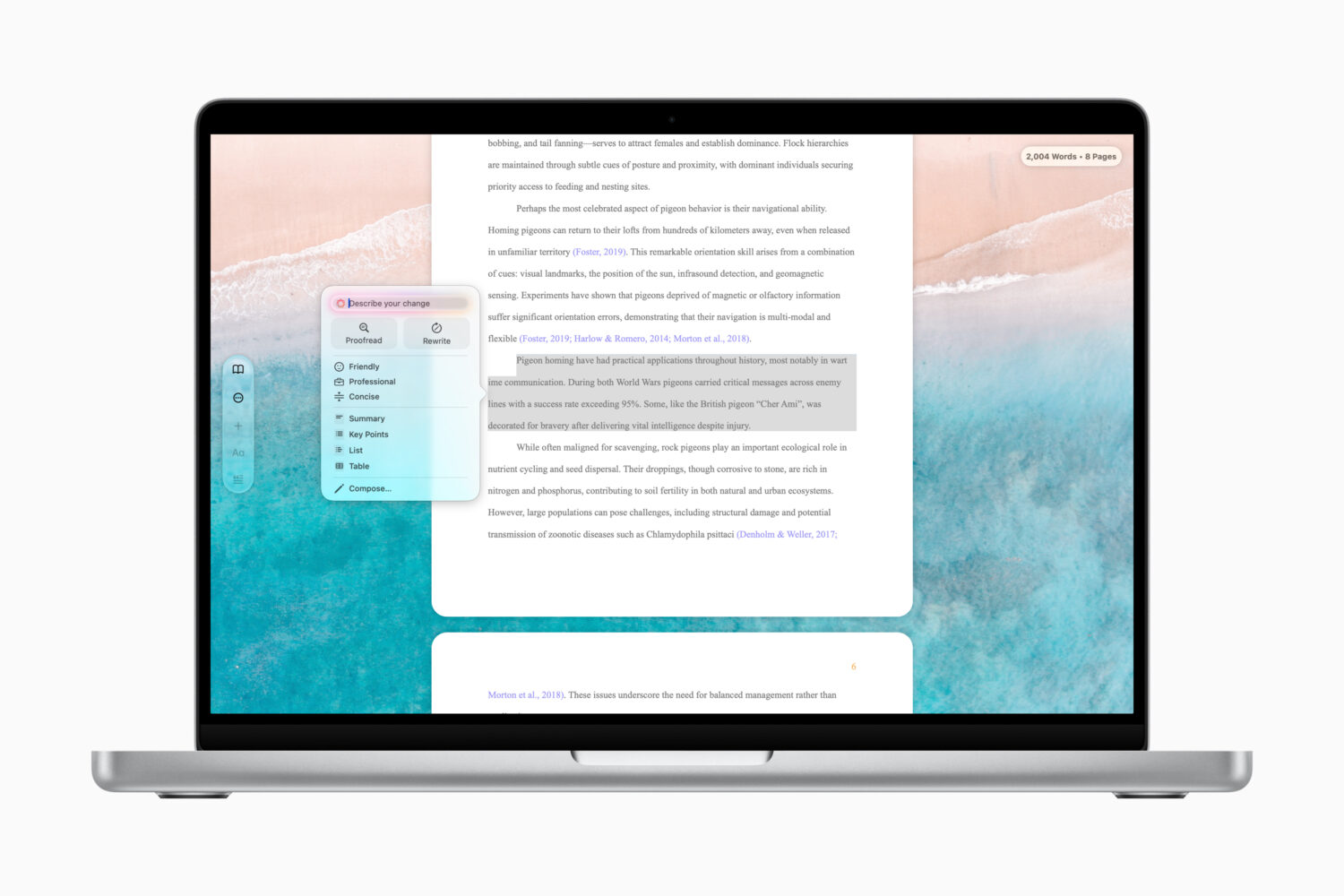
On Mac, Essayist received recognition for streamlining the formatting and citation process in academic writing — a space traditionally filled with steep learning curves and fragmented tools. Its inclusion signals that productivity apps that remove friction, rather than promising sweeping reinvention, still resonate.
Explore POV, selected for Apple Vision Pro, showcases immersive video experiences that transport users to locations around the world. Instead of relying on novelty alone, it leans into environmental storytelling and a sense of presence that aligns with how early adopters are actually using mixed-reality platforms. Meanwhile, Strava’s Apple Watch recognition highlights real-time tracking and community features that complement the device’s fitness-centric identity. HBO Max, chosen for Apple TV, was noted for integrating American Sign Language support, showing that streaming platforms are increasingly judged not only by their content libraries but by their accessibility efforts.

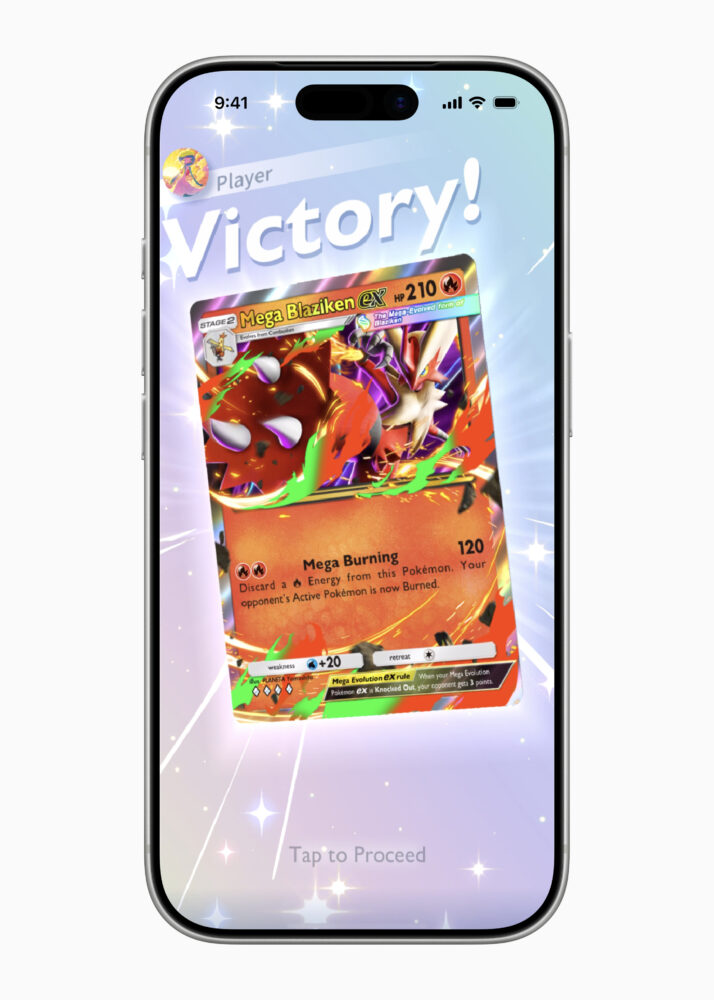
The gaming category offers a mix of established franchises and smaller titles with distinctive concepts. Pokémon TCG Pocket brings a long-standing card game into a mobile format tailored for short sessions, combining familiar mechanics with quick interactions suited to smartphones.
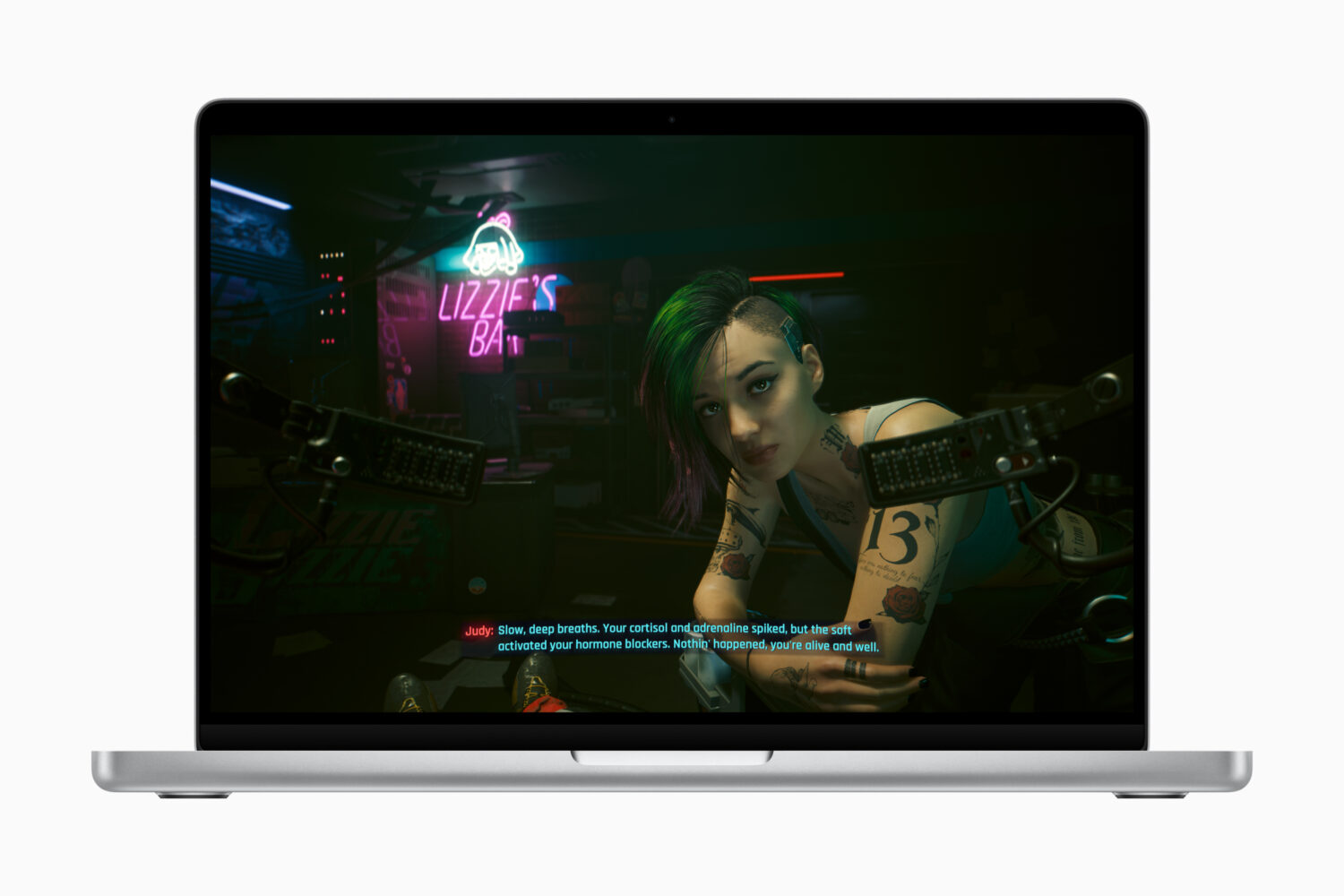
DREDGE, awarded on iPad, blends a cozy fishing loop with an unsettling narrative thread, illustrating how hybrid-genre games continue to find audiences across touch-based platforms. Cyberpunk 2077: Ultimate Edition stands out not for its novelty but for the technical achievement of bringing a graphically intensive title to Mac hardware.
WHAT THE CLASH?, recognized on Apple Arcade, favors unpredictability and humor over complex mechanics, underscoring the service’s tendency toward lightweight, approachable gameplay. Porta Nubi, the Apple Vision Pro game of the year, uses spatial environments to shift puzzle solving from a flat-screen experience to a more ambient one, hinting at how developers are experimenting with the headset’s capabilities in measured, design-driven ways.

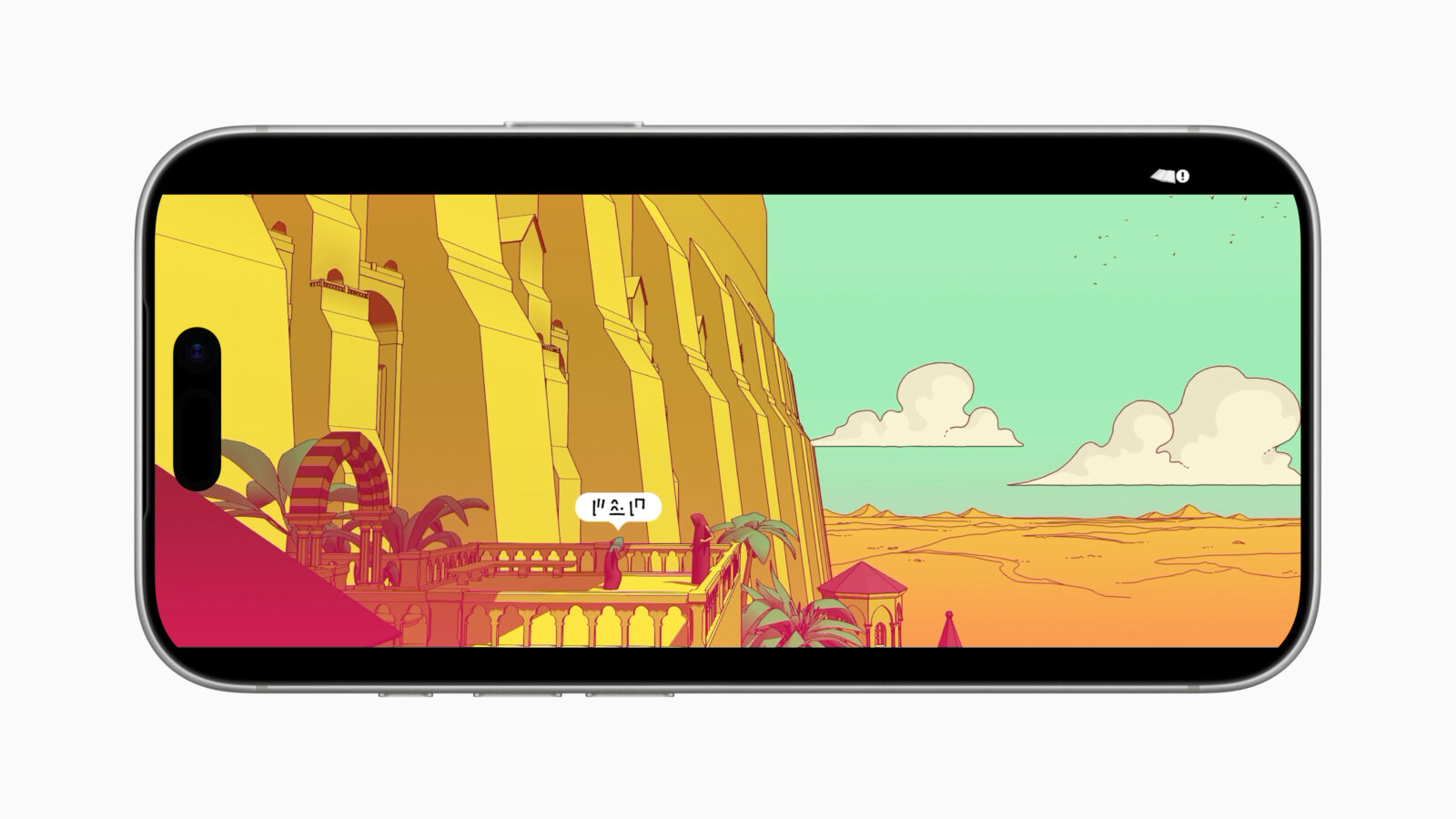
Apple also named six Cultural Impact winners, which historically highlight projects that contribute to learning, accessibility, or community building. Art of Fauna transforms wildlife illustration into a tranquil puzzle experience and prioritizes accessible design principles, reflecting a growing emphasis on games designed for relaxation rather than constant stimulation. Chants of Sennaar is a narrative-driven title centered on translation and communication, illustrating how game mechanics can frame cultural understanding. despelote offers a grounded look at childhood and national identity through the lens of soccer, showing how interactive media can explore social history without leaning on spectacle.
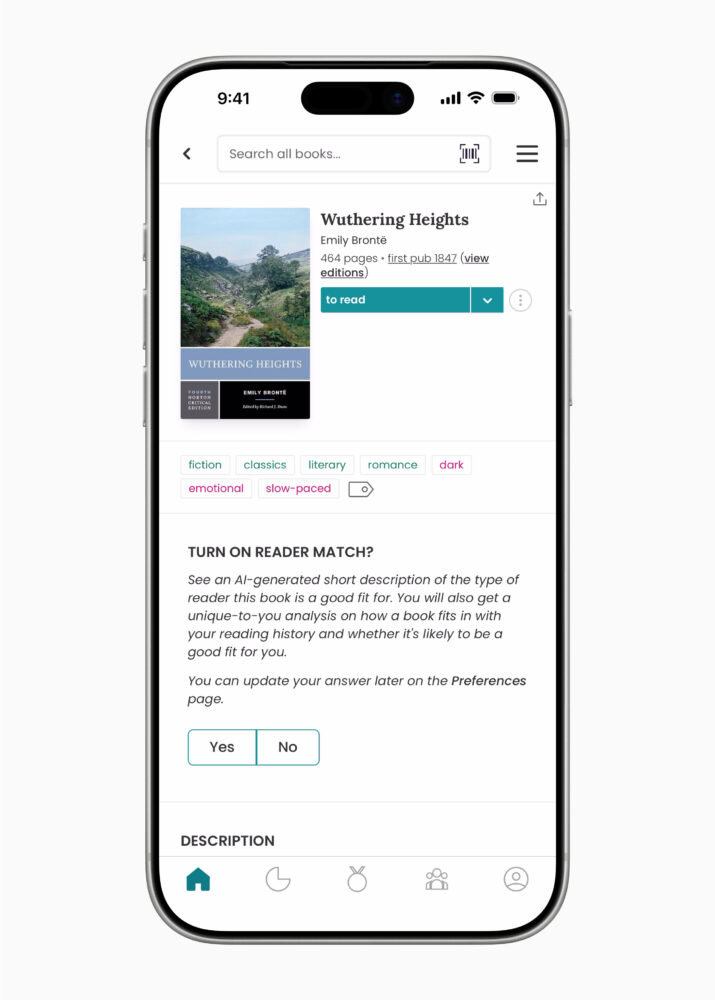
Be My Eyes remains one of the more widely recognized accessibility tools, and its award acknowledges the continued value of pairing volunteer support with AI to help people who are blind or have low vision manage everyday tasks. Focus Friend by Hank Green applies gamification to focus sessions, addressing the increasingly common struggle to maintain attention in digital environments. StoryGraph, a reading platform built around community-driven recommendations and inclusive discovery features, reflects how book-focused apps are evolving beyond simple cataloging tools.
As expected, the announcement concludes with Apple’s standard corporate overview describing its product ecosystem, software platforms, and long-standing narrative around design and environmental commitments. While this closing section serves a familiar branding function, the awards themselves provide insight into broader development trends: practical AI applications, increasingly accessible design, and a steady interest in cross-device experiences rather than siloed platforms. Taken together, the 2025 App Store Award winners suggest a year shaped less by sweeping reinvention and more by thoughtful refinements that align with how people actually use their devices.