
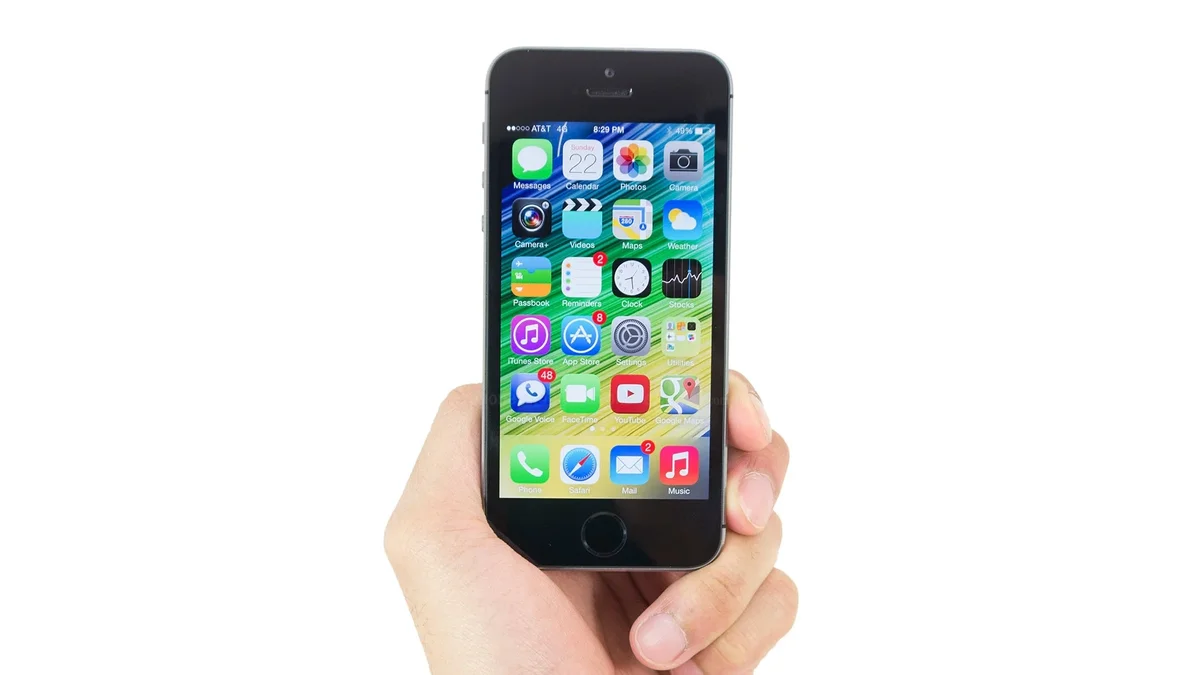
Apple has quietly released a software update for the iPhone 5s, extending official support more than twelve years after the device first reached the market. The update arrives as part of a broader set of operating system releases that also includes iOS 26.2.1 for current hardware, as well as updates for several older versions of iOS still running on legacy devices.
The iPhone 5s, originally introduced in September 2013, now supports iOS 12.5.8, which is also available for the iPhone 6, released a year later in 2014. While neither device has received a major feature update in years, this marks the first software update for both models since a security patch issued in January 2023. At a time when most smartphones are long retired after a few upgrade cycles, the move stands out for its timing more than its scope.
According to Apple’s release notes, iOS 12.5.8 extends a critical certificate required for core services such as FaceTime, iMessage, and device activation. Without this update, those functions would have stopped working after January 2027. In practical terms, the release does not introduce new features or interface changes, but it ensures that essential services remain operational for users who still rely on these aging devices, whether as primary phones, backups, or secondary hardware.
The update for iOS 12 is not an isolated case. Apple has also issued new versions of iOS 15, iOS 16, and iOS 18, along with their corresponding iPadOS releases. While Apple has not published detailed changelogs for those updates, they appear to include general bug fixes rather than certificate-only maintenance. The full list includes iOS 18.7.4, iPadOS 18.7.4, iOS 16.7.13, iPadOS 16.7.13, iOS 15.8.6, iPadOS 15.8.6, and iOS 12.5.8 with its iPadOS counterpart.
Unlike many Android manufacturers, Apple does not publicly commit to fixed software support timelines for its devices. In some regions, such as the United Kingdom, regulatory requirements have pushed the company to guarantee a minimum of five years of security updates for newer models like the iPhone 15 Pro Max. In practice, however, Apple devices often receive security patches and system maintenance well beyond that baseline, even if feature updates stop much earlier.
It is unlikely that large numbers of people still use an iPhone 5s as their main phone in 2026. Still, the update highlights Apple’s approach to long-tail device support, particularly when it comes to keeping essential services functional. For collectors, developers, or users who keep older devices powered on for specific tasks, these incremental updates can still have practical value, even if they arrive without much fanfare.