

Apple appears poised to regain the top spot in the global smartphone market for the first time in more than a decade, driven largely by steady demand for the iPhone 17 line and a broader consumer shift toward device upgrades. Industry researchers at Counterpoint say the company is on track to edge past Samsung by the end of the year, marking a notable reshuffling in a market that has long been defined by the rivalry between the two firms. While the milestone reflects strong iPhone 17 shipments, it also highlights several external factors shaping the smartphone landscape in 2025, including currency movements, easing trade pressure, and the natural rhythm of consumer replacement cycles.
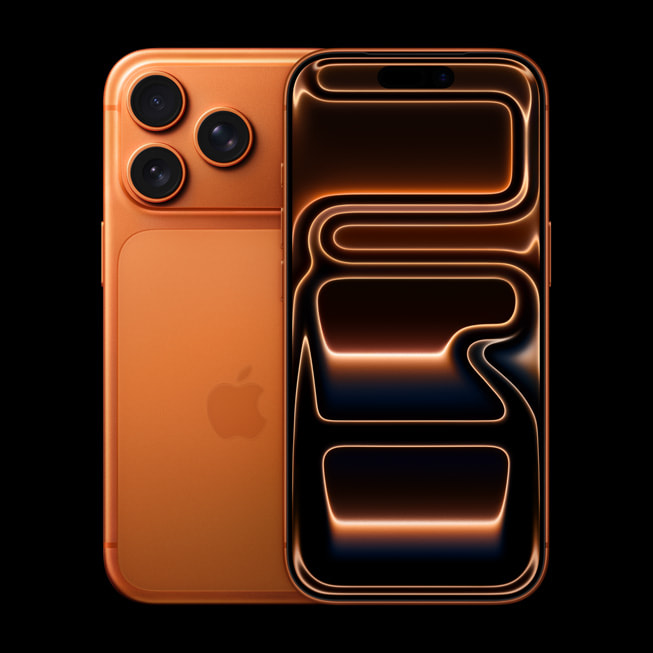
The iPhone 17 series, released in September, has seen solid traction in the US and China—two markets that continue to set the tone for global smartphone performance. Analysts report double-digit growth in both regions, suggesting that many consumers who delayed upgrades in recent years are now shifting back into the market. A weaker dollar has further supported sales in emerging economies, allowing the devices to remain more competitively priced without deliberate positioning from the company. Combined, these conditions have created a rare moment where product timing aligns with macroeconomic tailwinds.
Counterpoint expects Apple’s smartphone shipments to grow around 10% in 2025, compared with roughly 4.6% for Samsung. Although market share gains fluctuate year to year, the projection that Apple could take roughly 19.4% of the global smartphone market signals a broader recovery for the industry, which is estimated to expand 3.3% next year. If the forecast holds, it would be Apple’s first return to the No. 1 ranking since 2011, during a period when Android broadly diversified and Samsung maintained steady volume leadership.
Analysts say a significant driver of today’s demand stems from a maturing replacement cycle. Many consumers who purchased phones during the early pandemic, when remote work and digital reliance surged, are now entering the window where upgrades become more likely. The secondary market also plays a role: more than 350 million used iPhones changed hands between 2023 and mid-2025, and those users often eventually transition to new devices when budgets allow. This extended ecosystem effect gives Apple a relatively stable base of potential upgraders, though it also means the company must continually offer compelling reasons for users to step up to newer models.
Looking ahead, industry expectations for 2026 and beyond suggest Apple will try to broaden its reach across price segments. Analysts anticipate a foldable model and a lower-cost iPhone 17e next year, moves that would allow the company to compete in areas of the market where it has historically maintained a narrower presence. A more substantial design overhaul in 2027—still unofficial but widely discussed—could push another wave of upgrades if consumers respond to a meaningful refresh rather than incremental iteration.
Counterpoint projects that, with this lineup, Apple could maintain the top global position through at least 2029. Still, long-term leadership in smartphones often hinges on factors that shift quickly: component pricing, regulatory shifts, consumer sentiment, and regional economic trends. For now, though, the combination of a favorable upgrade cycle and steady demand for the iPhone 17 has put Apple in a stronger competitive position heading into 2026. The company recently noted that its holiday quarter is on track to approach $140 billion in revenue, reflecting a broader rebound in consumer electronics spending during the end-of-year period.