

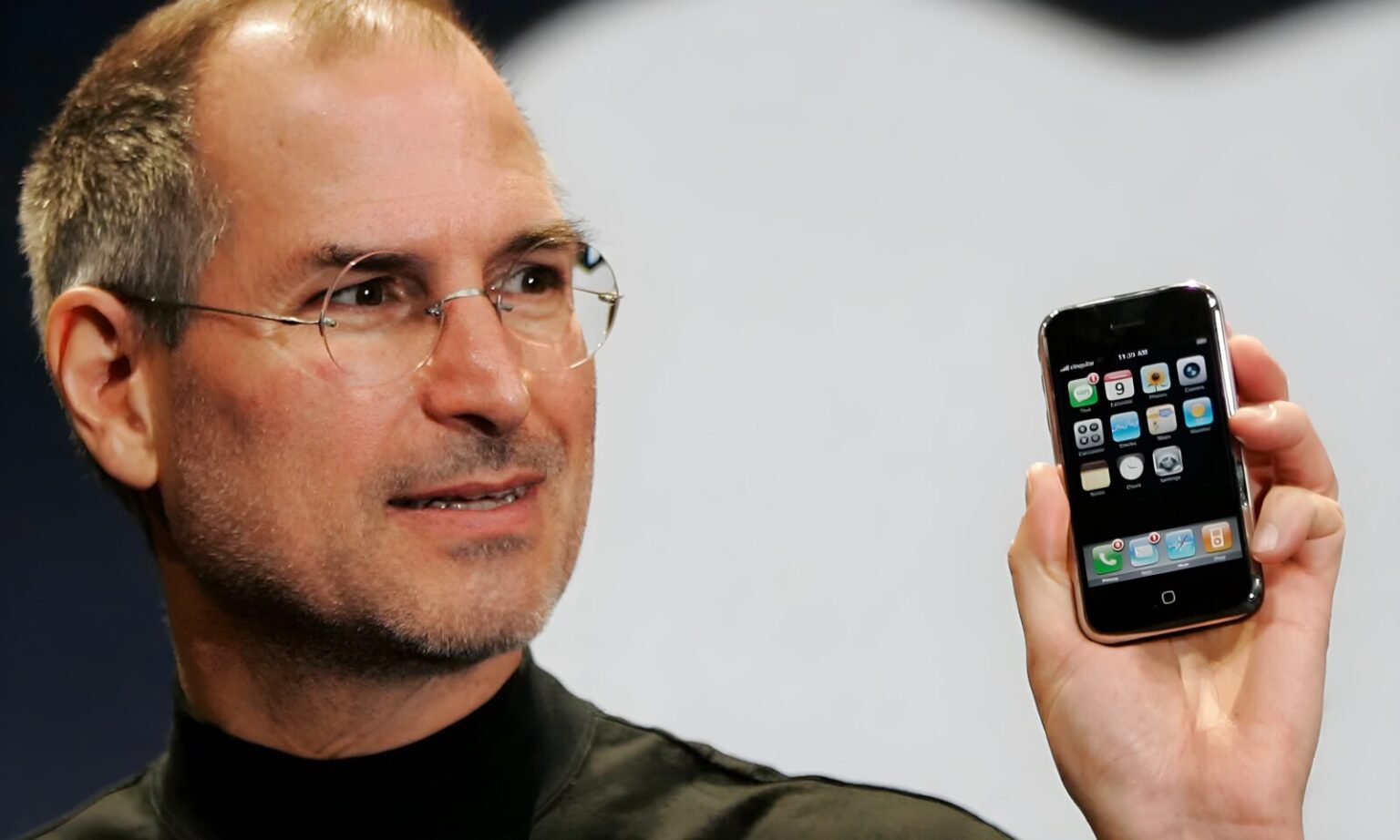
Apple has sold 3 billion iPhones since the device first launched in 2007, CEO Tim Cook revealed during the company’s third-quarter 2025 earnings call. The milestone highlights the enduring popularity of Apple’s flagship product nearly two decades after its debut.
It took Apple nine years to reach the one-billion mark in 2016, and another nine years to double that to 3 billion units sold. Over that period, the iPhone has evolved through multiple design generations, incorporating major hardware upgrades and expanding its global market reach.
The announcement comes during a quarter in which iPhone sales grew 13% year-over-year, generating $44.6 billion — nearly half of Apple’s total quarterly revenue of $94 billion. The stronger-than-expected sales contributed to Apple beating analyst forecasts for the quarter, despite a year in which its market capitalization has fallen behind Nvidia and Microsoft.
However, some analysts caution that the boost may not be entirely organic. Bloomberg’s Mark Gurman has suggested that part of the sales surge could be attributed to U.S. buyers accelerating purchases amid concerns over potential price hikes tied to President Trump’s proposed tariffs on imported electronics.
Even with potential short-term factors at play, the 3 billion milestone cements the iPhone’s position as one of the most commercially successful consumer electronics products ever made. Since its launch, the device has not only reshaped Apple’s business model — shifting the company from a computer manufacturer to a global consumer electronics leader — but also transformed the broader mobile phone industry.
Looking ahead, Apple’s iPhone strategy will continue to be central to its overall growth, though it faces increasing competition in the premium smartphone segment and potential macroeconomic pressures that could affect demand. The company is expected to reveal its next-generation iPhones later this year, which will likely be crucial in sustaining momentum into 2026.