
A new report suggests that Apple may soon offer an early look at a significantly updated version of Siri, with a public demonstration expected as soon as February. According to reporting from Mark Gurman at Bloomberg, Apple is preparing a staged rollout that begins with a controlled preview and stretches through the end of the year, when deeper changes to the iPhone’s software experience are expected to arrive.
The February moment is described as a demonstration rather than a full launch. Apple is reportedly planning to show Siri performing tasks it previously outlined under the broader Apple Intelligence initiative, including the ability to understand what is currently on a user’s screen and respond in a more context-aware way. These capabilities have been discussed publicly before but have yet to appear in a consumer-facing form. If the report is accurate, this would be the first time Apple shows those features working in real-world scenarios.
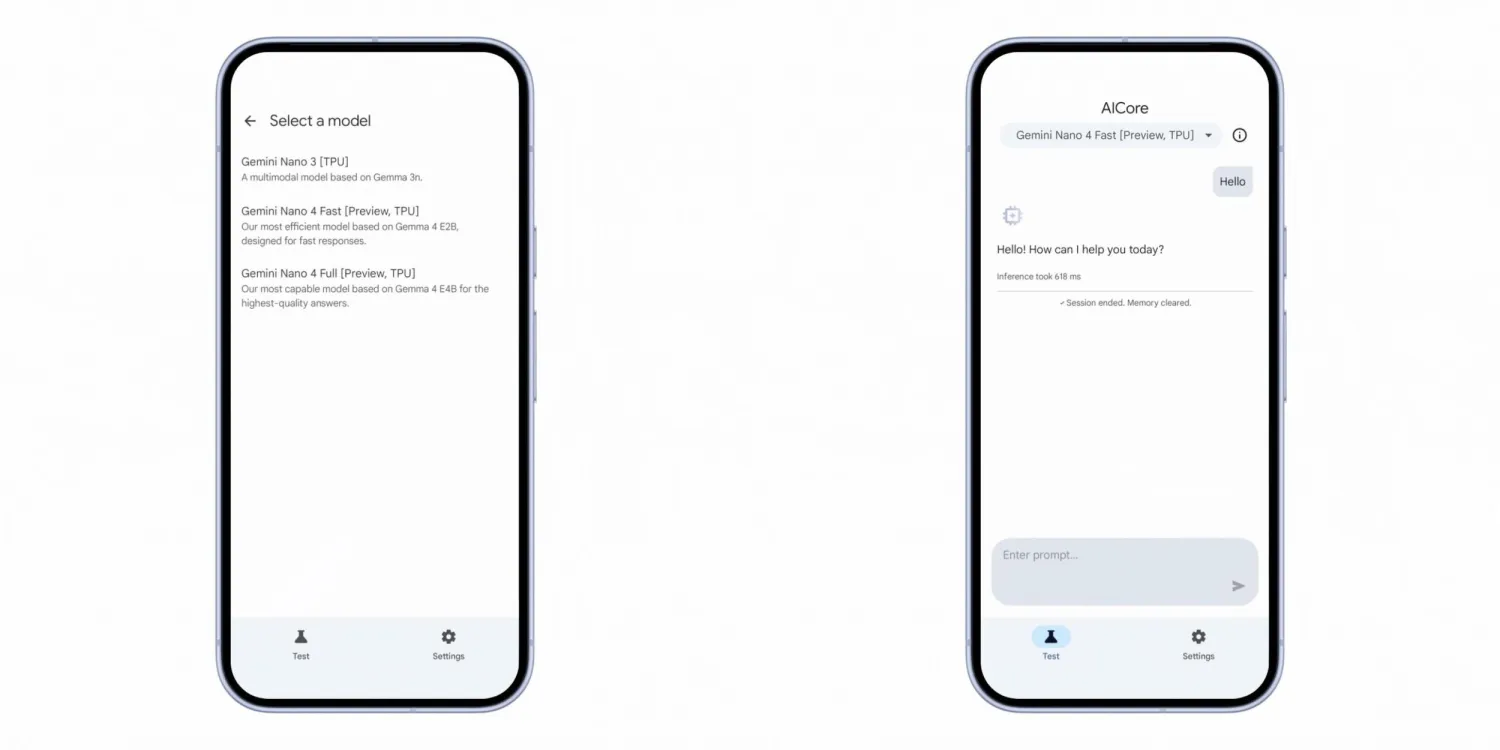
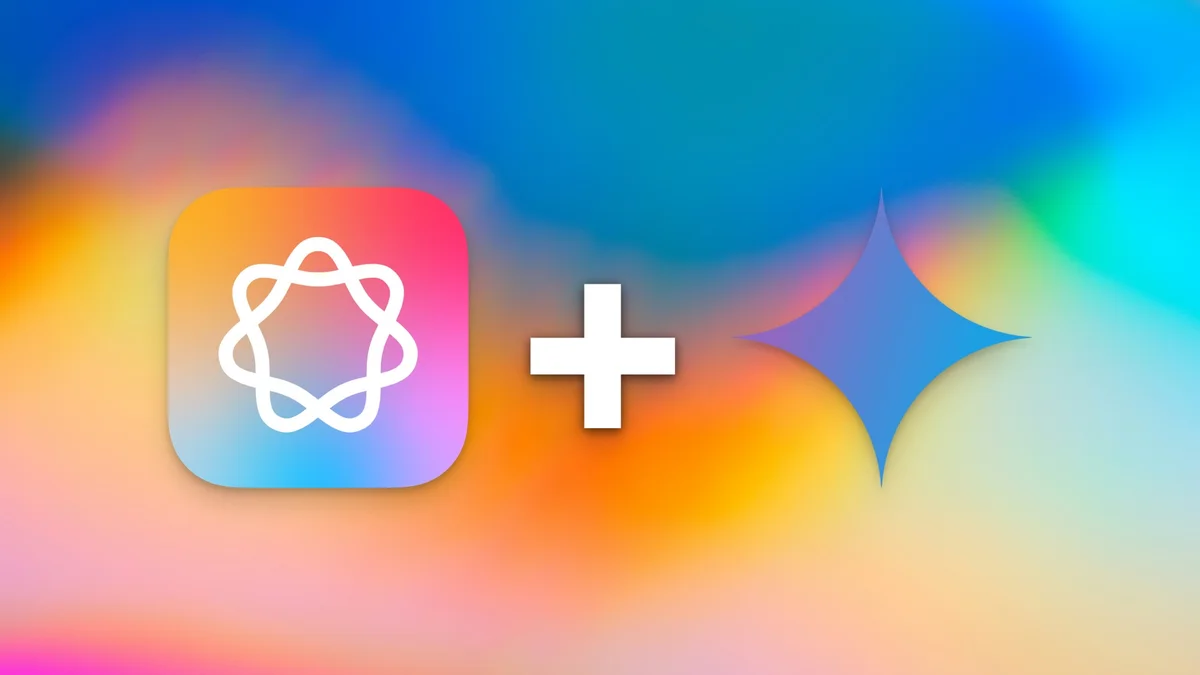
A key part of this shift is Apple’s partnership with Google, which would see Gemini models supporting parts of Siri’s intelligence layer. Rather than replacing Siri outright, Gemini is expected to operate behind the scenes, handling more complex reasoning and conversational tasks. Apple would still control the interface, privacy framing, and system-level integration, while relying on external AI infrastructure to close long-standing capability gaps.
Gurman outlines a tentative timeline that extends well beyond February. A software update expected in March or April could introduce improved on-screen awareness for Siri as part of iOS 26.4, potentially labeled internally as a new generation of Apple’s foundation models. June is expected to bring a broader redesign preview at WWDC, with the most ambitious changes reserved for late 2026 alongside iOS 27. That final phase would reportedly transform Siri into a more chatbot-like assistant capable of maintaining conversational context and remembering prior inputs during a session.
Internally, the effort is said to be known as Project Campos. The goal is to move Siri beyond its current role as a utility-focused voice assistant and closer to the conversational systems now common on Android devices and standalone AI apps. For years, Siri has lagged behind competitors in handling follow-up questions, nuanced requests, and extended dialogue. Apple’s reliance on Google’s AI models signals a pragmatic acknowledgment of that gap.
If Apple delivers even part of what is being described, February’s preview could mark an important credibility test. The company has made ambitious promises about Apple Intelligence over the past year, and this demonstration may determine whether users see those plans as meaningful progress or another extended transition period. While a fully reworked Siri still appears months away, the upcoming demo may offer the clearest indication yet of how Apple plans to redefine its digital assistant.