

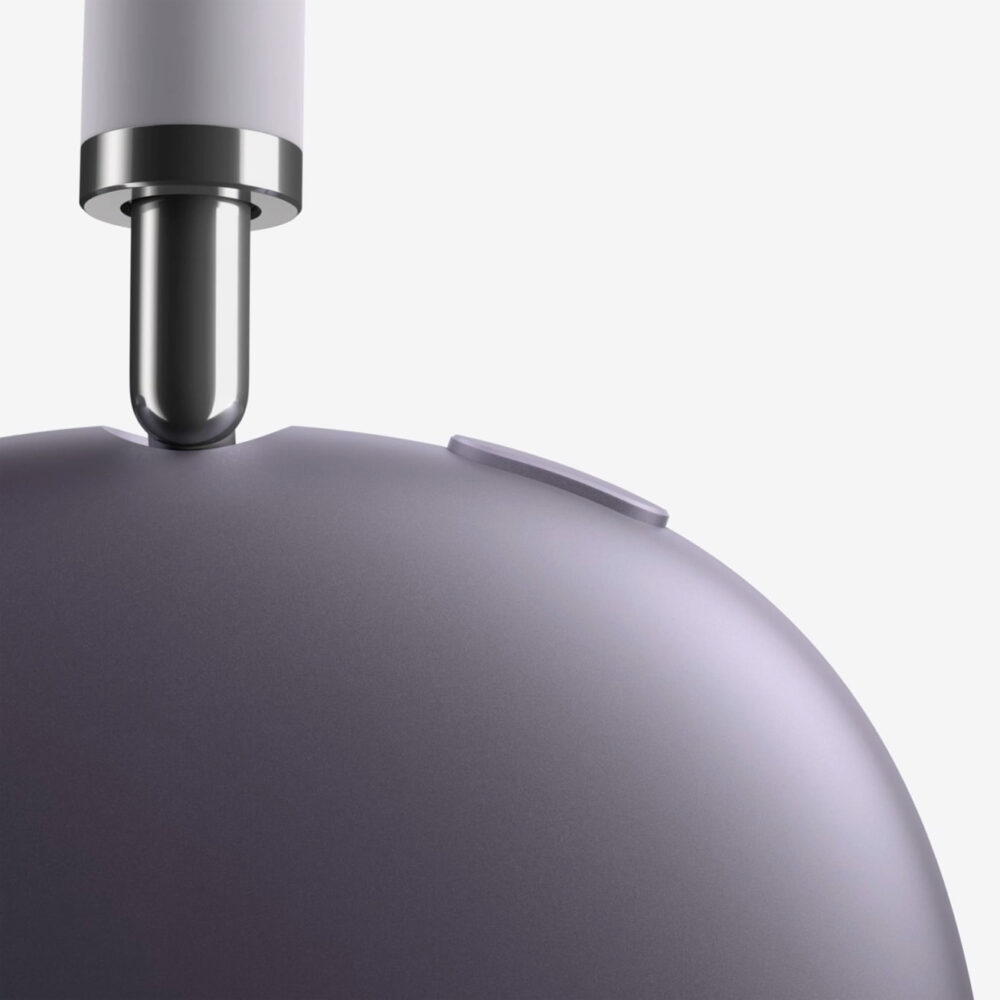
Apple has introduced the AirPods Max 2, updating its premium over-ear headphones with the H2 chip, expanded audio processing, and a set of new software features that aim to broaden their use beyond casual listening. The new model builds on the original AirPods Max design while focusing on improvements in noise control, sound quality, and integration with Apple’s broader ecosystem of devices and services.
The most prominent change is the introduction of the H2 chip, which Apple says enables more advanced computational audio processing. One of the direct results is improved Active Noise Cancellation, which Apple claims is up to 1.5 times more effective than the previous generation. The goal is to reduce common environmental sounds such as aircraft engines or urban transport noise while maintaining the over-ear comfort and long listening sessions that the product category typically targets.
Transparency mode has also been refined. Using updated digital signal processing tuned to the headphone’s microphone array, the feature is designed to reproduce surrounding sounds more naturally. This allows users to remain aware of their environment without removing the headphones, a capability that has become a standard expectation in premium wireless headsets.
In terms of audio quality, AirPods Max 2 include a new high dynamic range amplifier intended to deliver cleaner playback while maintaining the sound profile associated with the earlier model. Apple also highlights improvements in Spatial Audio playback, including more precise instrument positioning, more consistent bass response, and clearer mids and highs. When connected with the included USB-C cable, the headphones support 24-bit, 48 kHz lossless audio, which allows for higher-quality playback across music, video, and gaming content.
Lower wireless audio latency is another area Apple has addressed, particularly for gaming. In Game Mode on compatible Apple devices, the headphones are designed to reduce delay between on-screen action and audio output, improving responsiveness during gameplay.
Several software features debut on the AirPods Max line with this release. Adaptive Audio automatically adjusts between Active Noise Cancellation and Transparency based on surrounding conditions. Conversation Awareness reduces playback volume when the user begins speaking to someone nearby. Voice Isolation prioritizes the user’s voice during calls while minimizing background noise, which may be useful in crowded environments.
The update also introduces Live Translation, powered by Apple Intelligence, which allows users to communicate across supported languages during in-person conversations. The feature requires compatible Apple devices running recent software versions and may not be available in all regions or languages.
Apple has also included tools that target content creators. Studio-quality audio recording aims to provide clearer vocal capture for podcasts, interviews, or music recording. Another addition, camera remote, allows users to press the Digital Crown on the headphones to trigger a photo or start and stop video recording on an iPhone or iPad.
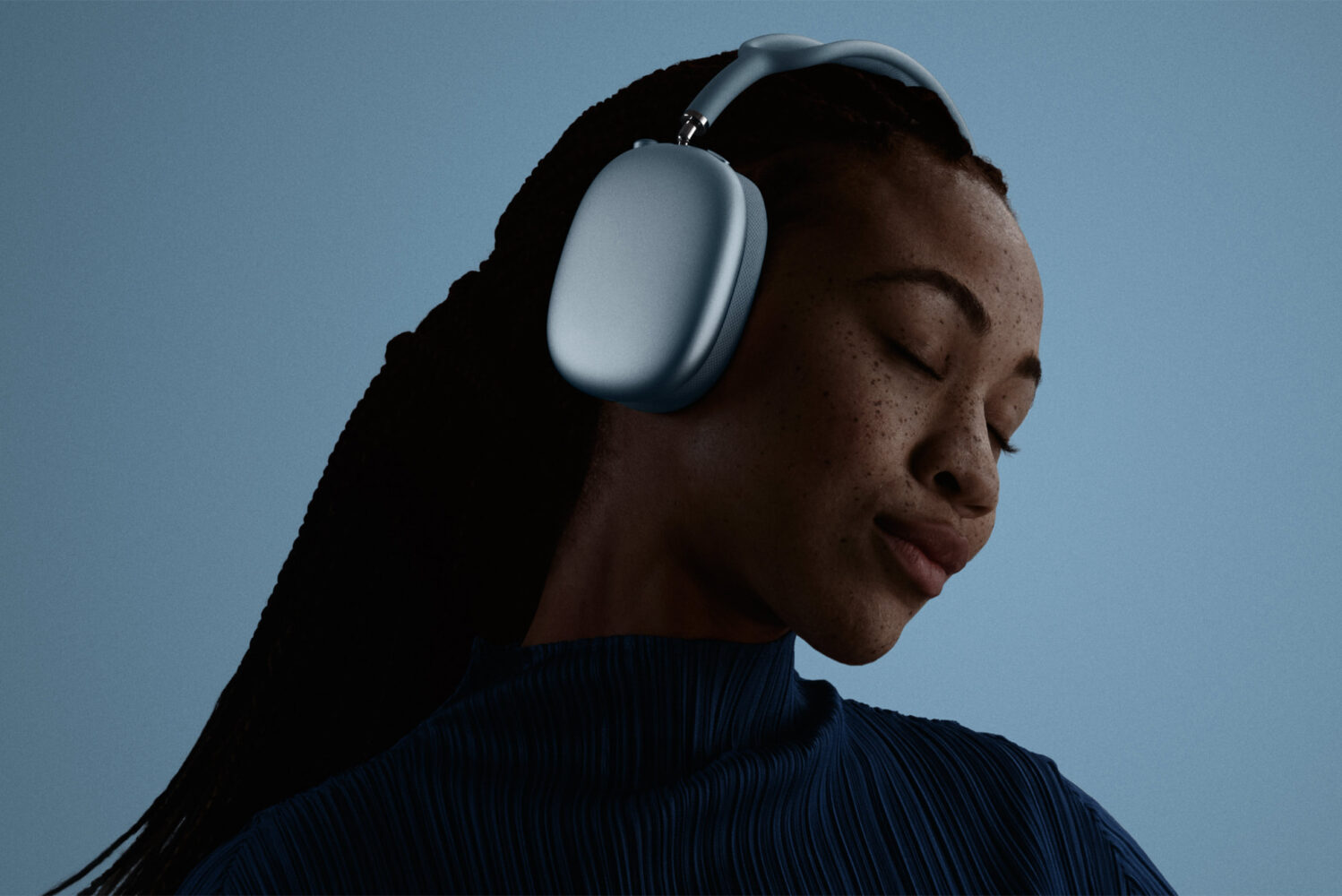
Additional features include Loud Sound Reduction to limit exposure to high environmental noise levels, Personalized Volume that adapts audio output based on listening habits, and gesture-based Siri responses that allow users to nod or shake their head to respond to voice prompts.
On the sustainability side, Apple says AirPods Max 2 use recycled materials across several components, including recycled rare earth elements in magnets, recycled polyester in the ear cushions, and recycled metals in circuit boards. The packaging is fiber-based and designed to be recyclable.
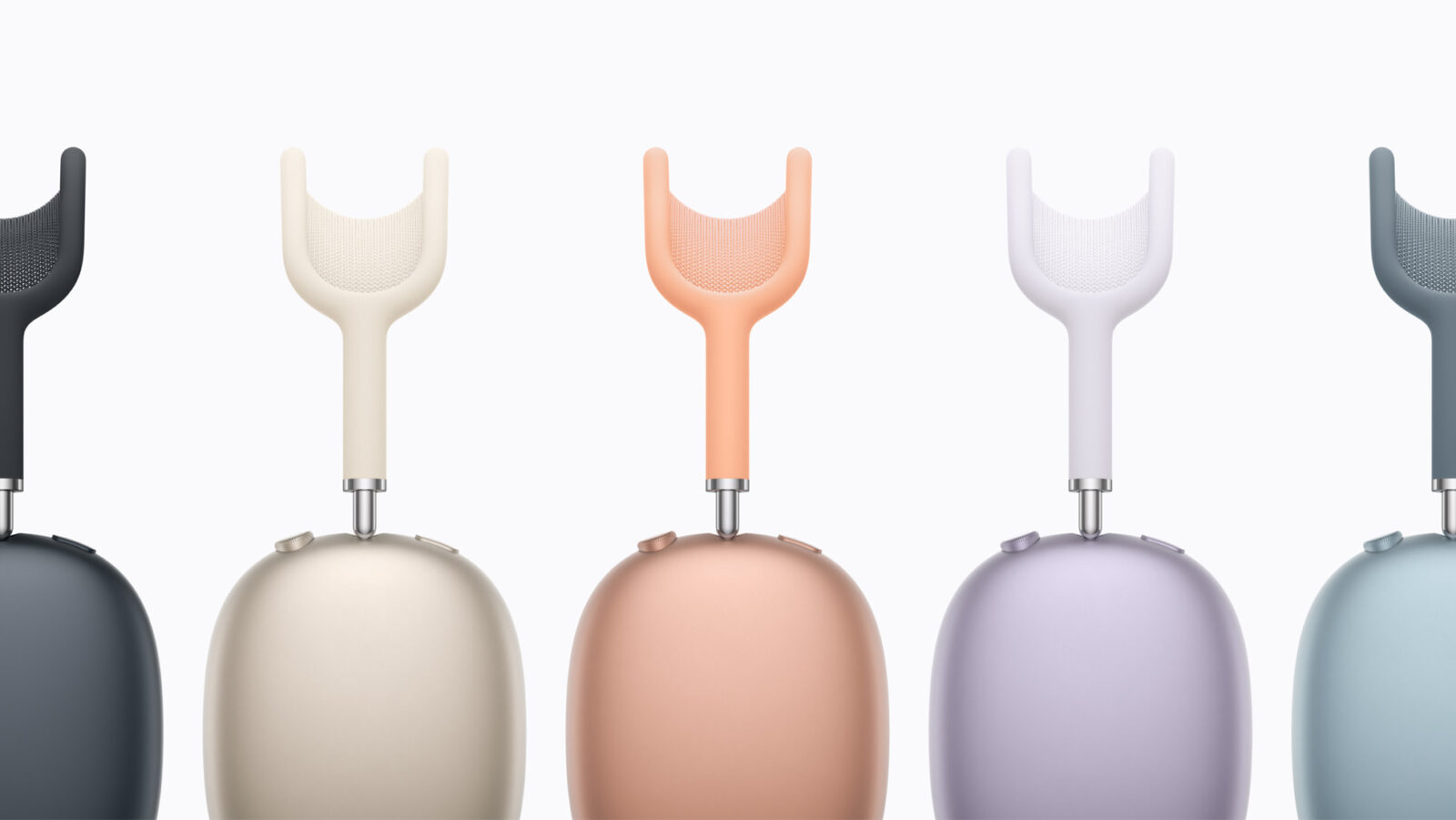
AirPods Max 2 will be available in midnight, starlight, orange, purple, and blue. Orders begin March 25, with retail availability starting in early April in the United States and more than 30 other markets. Pricing starts at AED 2,099 in the United Arab Emirates.
The release positions AirPods Max 2 as an incremental upgrade rather than a redesign, emphasizing improvements in audio processing, software features, and ecosystem integration while maintaining the same over-ear form factor introduced with the original model.