
OpenAI appears to be laying the groundwork for deeper health-focused functionality inside ChatGPT, with new code discovered in the latest iPhone app suggesting upcoming integration with Apple Health. While the feature isn’t active and may not be guaranteed for public release, the presence of Apple Health assets — including a hidden icon and connector references — indicates that ChatGPT could soon draw from a user’s health data to deliver more tailored guidance.
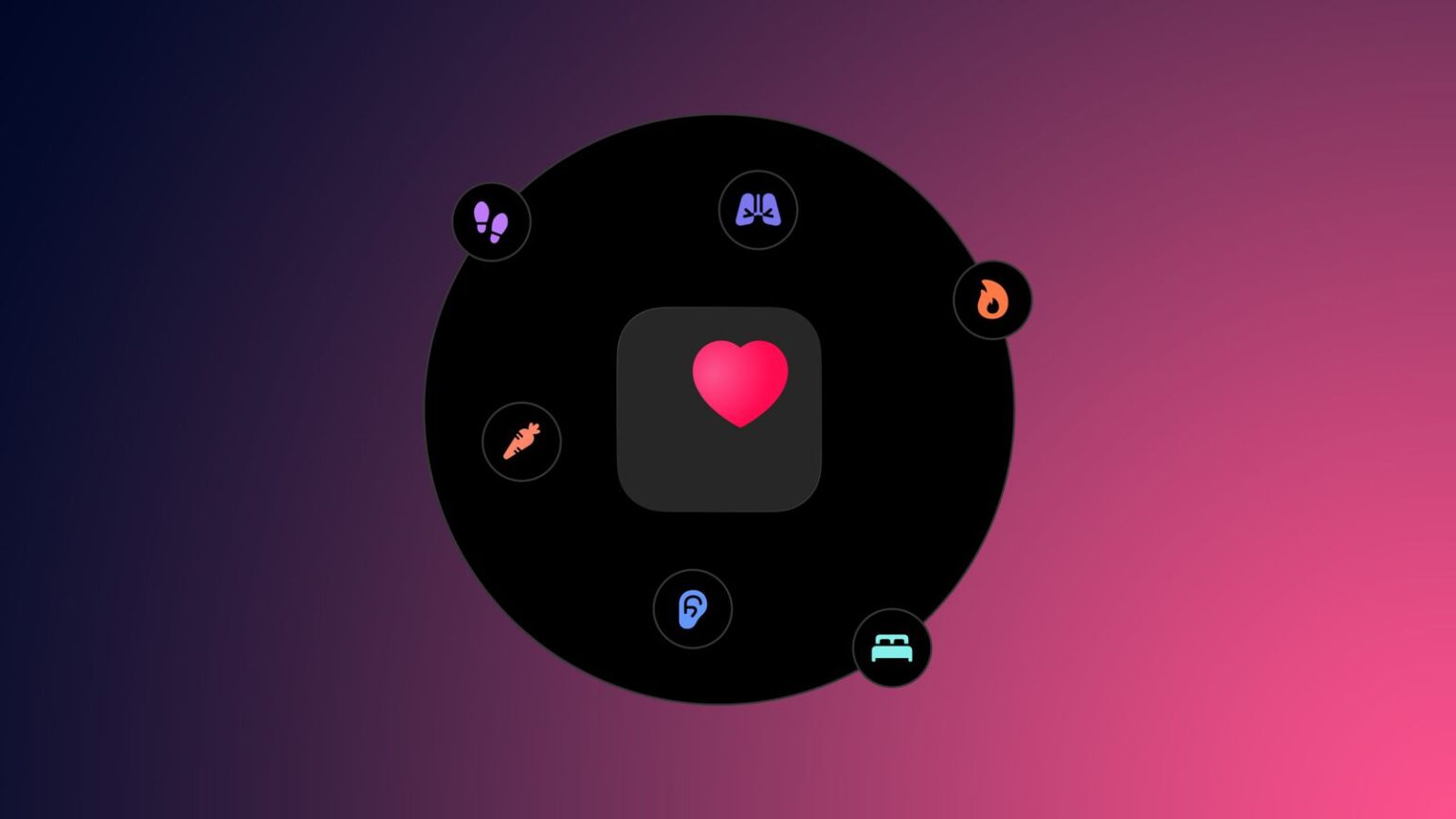
The image uncovered in the app bundle aligns with how OpenAI labels its app connectors, hinting that Apple Health would be added to the existing Apps & Connectors section in ChatGPT’s settings. If implemented, ChatGPT would be able to access a range of Apple Health categories such as activity, sleep, diet, breathing and hearing. That data could support more personalized responses, whether users are asking about fitness goals, sleep patterns, general wellness or daily routines. As with all integrations tied to sensitive information, the success of such a feature would rely on transparent permissions and clear limits on how that data is stored and processed.
The discovery follows Monday’s ChatGPT app update, but OpenAI has not provided any timeline or confirmation. The company often ships app-level scaffolding well before features are enabled, and some experimental hooks never progress past internal testing.
ChatGPT already links with widely used services like Google Drive, Gmail, Dropbox, Box, GitHub, Outlook and Notion. Apple Health support would mark a shift toward more personal data ecosystems rather than productivity and file-storage integrations. It would also put OpenAI in closer proximity to the kinds of wellness features that Apple typically prefers to keep within its own ecosystem.
If OpenAI proceeds, the integration could give ChatGPT a new role as a general wellness assistant — not replacing medical advice, but surfacing patterns, providing context for activity trends, or helping users understand how different parts of their health data relate. With consumer interest in AI-driven coaching on the rise, the feature would be well-timed, though it would also raise familiar privacy and data-handling questions that any third-party health integration must address.