
Apple has quietly expanded its vintage and obsolete product list, adding three MacBooks and one iPhone just days before the iPhone 17 launch event. The updated list now includes the MacBook Pro 15-inch (2017), MacBook Pro 13-inch (2017, Four Thunderbolt 3 Ports), MacBook Air 11-inch (Early 2015), and the iPhone 8 Plus in its 64GB and 256GB variants.
Apple designates a product as obsolete once it has been off the market for seven years. At that point, the company ends all hardware and software support, although some MacBooks may remain eligible for battery-only repairs for up to a decade, depending on parts availability. Products in the vintage category, meanwhile, have been off sale for more than five years but less than seven. They may still receive limited repairs at Apple Stores and authorized providers, though they no longer receive OS updates or new features.
The 11-inch MacBook Air being retired is part of a line first introduced in 2010, notable for its wedge-shaped unibody design that influenced later MacBooks. Apple discontinued the smaller model after 2016, leaving only the larger 13-inch version in its lineup.
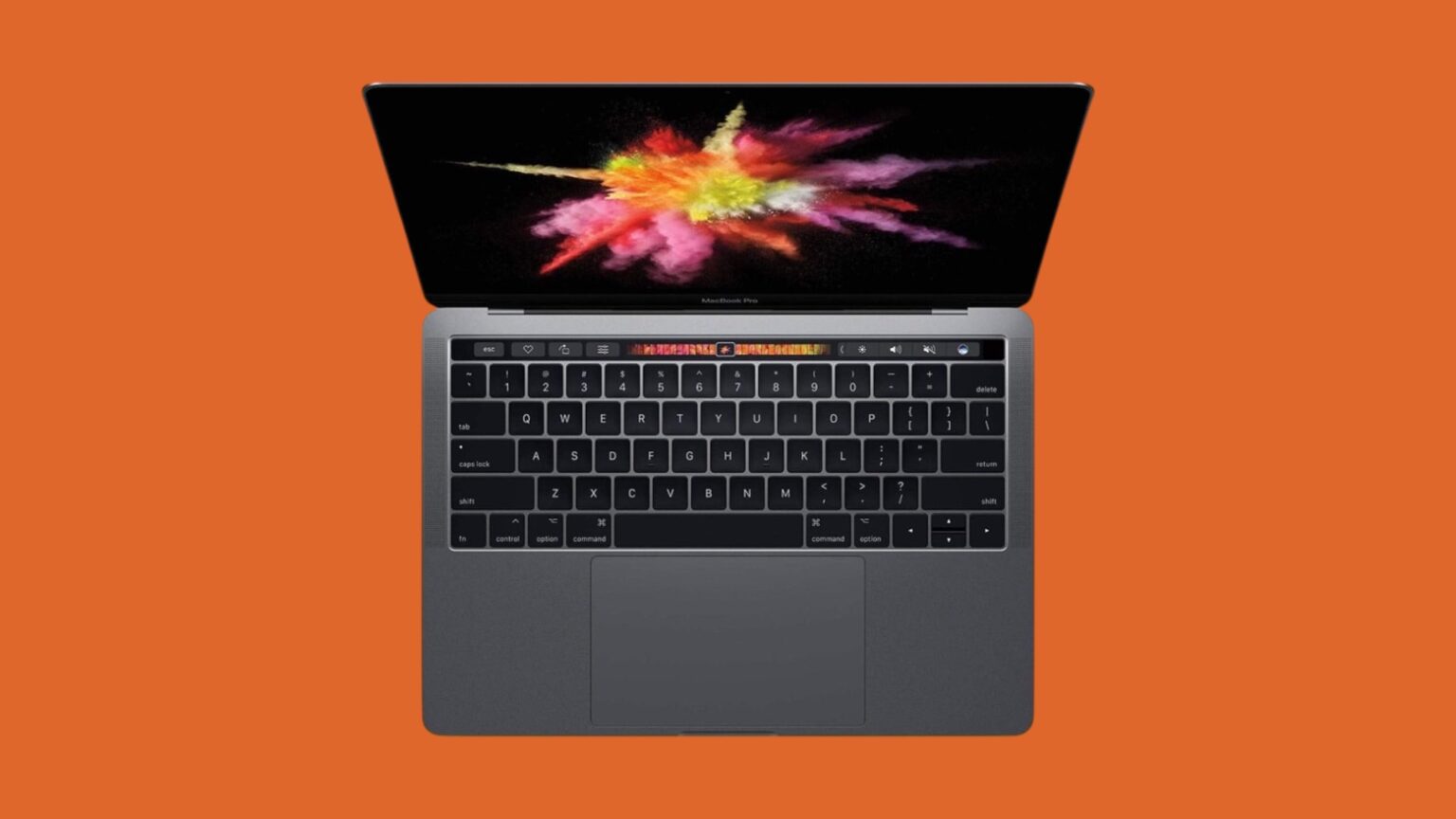
The 2017 MacBook Pro models marked the second generation of Apple’s major redesign from the year before, which introduced the now-discontinued Touch Bar—an OLED strip that replaced the traditional function keys. While it was billed as a step forward in keyboard interactivity, the design is more often remembered for the Butterfly Keyboard controversy, one of Apple’s most criticized hardware missteps. The fragile mechanism sparked widespread complaints, lawsuits, and eventually a $50 million settlement.
On the iPhone side, the iPhone 8 Plus joins the vintage list. Apple launched the iPhone 8 lineup in 2017, continuing to sell certain models of the Plus until the second-generation iPhone SE arrived in 2020. The Product Red editions of the iPhone 8/8 Plus and standard iPhone 8 models were already marked vintage, but now the remaining iPhone 8 Plus (64GB and 256GB) configurations are included as well.
For users still holding on to these devices, the update means repair and software support options are becoming increasingly limited. While some MacBooks may still get battery service, the iPhone 8 Plus and these Macs are effectively at the end of Apple’s official support cycle.