
Apple has acquired MotionVFX, a company known for developing plugins, templates, and visual effects used across several professional video editing platforms. The move, first noted through updates on MotionVFX’s website, points to a potential shift in how Apple approaches its video production ecosystem, particularly around Final Cut Pro.
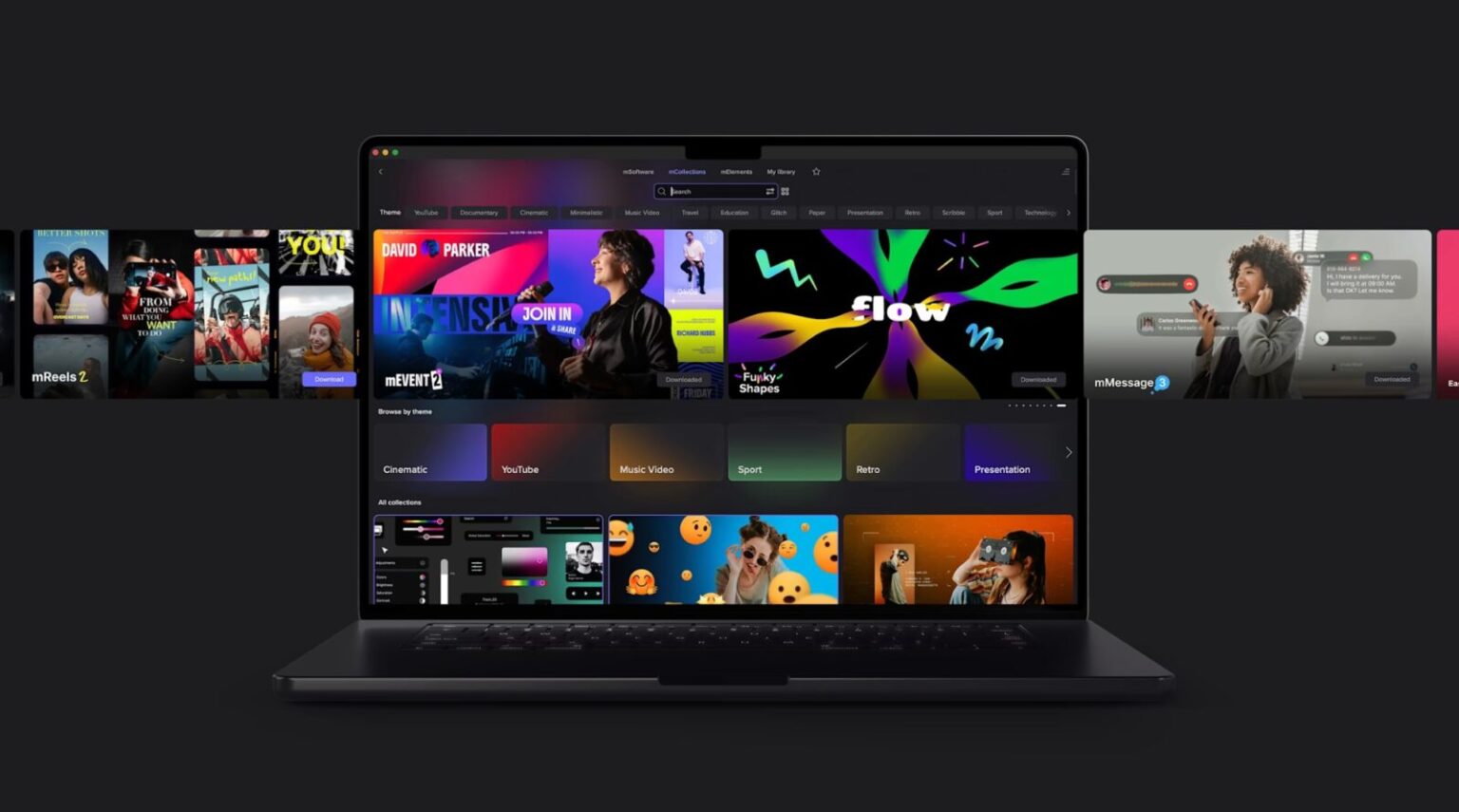
MotionVFX has built its reputation by offering a large library of motion graphics, transitions, and effects that integrate with software such as Final Cut Pro, DaVinci Resolve, and Adobe Premiere Pro. Its tools are widely used by editors looking to streamline workflows or enhance production value without building assets from scratch. The company has also maintained a close relationship with Apple’s ecosystem, positioning itself as a trusted partner and offering products specifically designed for Final Cut Pro and Apple Motion.
Apple has not disclosed the financial terms of the acquisition or outlined specific plans for how MotionVFX will be integrated. However, the company’s existing overlap with Apple’s software suggests a practical direction. MotionVFX already provides a Final Cut Pro extension that allows users to browse, download, and apply effects directly within the editing interface. Bringing these capabilities in-house could allow Apple to embed similar functionality more deeply into its software, potentially reducing reliance on third-party marketplaces.
The acquisition may also reflect a broader effort to strengthen Final Cut Pro’s position in a competitive editing software landscape. While Final Cut Pro remains a widely used tool, it competes with platforms like Adobe Premiere Pro and DaVinci Resolve, both of which have expanded their feature sets and ecosystems in recent years. Integrating MotionVFX’s asset library and tools could help Apple simplify access to advanced effects and templates, particularly for creators looking for faster, built-in solutions.
MotionVFX’s announcement of the acquisition emphasized alignment in design and development priorities, though it did not provide operational details. In the near term, it is likely that MotionVFX products will continue to function across multiple platforms, but over time, Apple may choose to prioritize deeper integration within its own software environment.
This move also fits into a broader pattern of Apple refining its professional creative tools. Rather than introducing entirely new applications, the company has often focused on incremental improvements, tighter ecosystem integration, and performance optimization. Acquiring a company like MotionVFX suggests a continued emphasis on enhancing existing tools by bringing widely used features closer to the core experience.
For users of Final Cut Pro, the acquisition could eventually translate into more seamless access to effects, improved workflows, and a more unified editing environment. For the wider industry, it signals ongoing competition among software providers to offer not just editing capabilities, but complete creative ecosystems that combine tools, assets, and distribution within a single platform.