
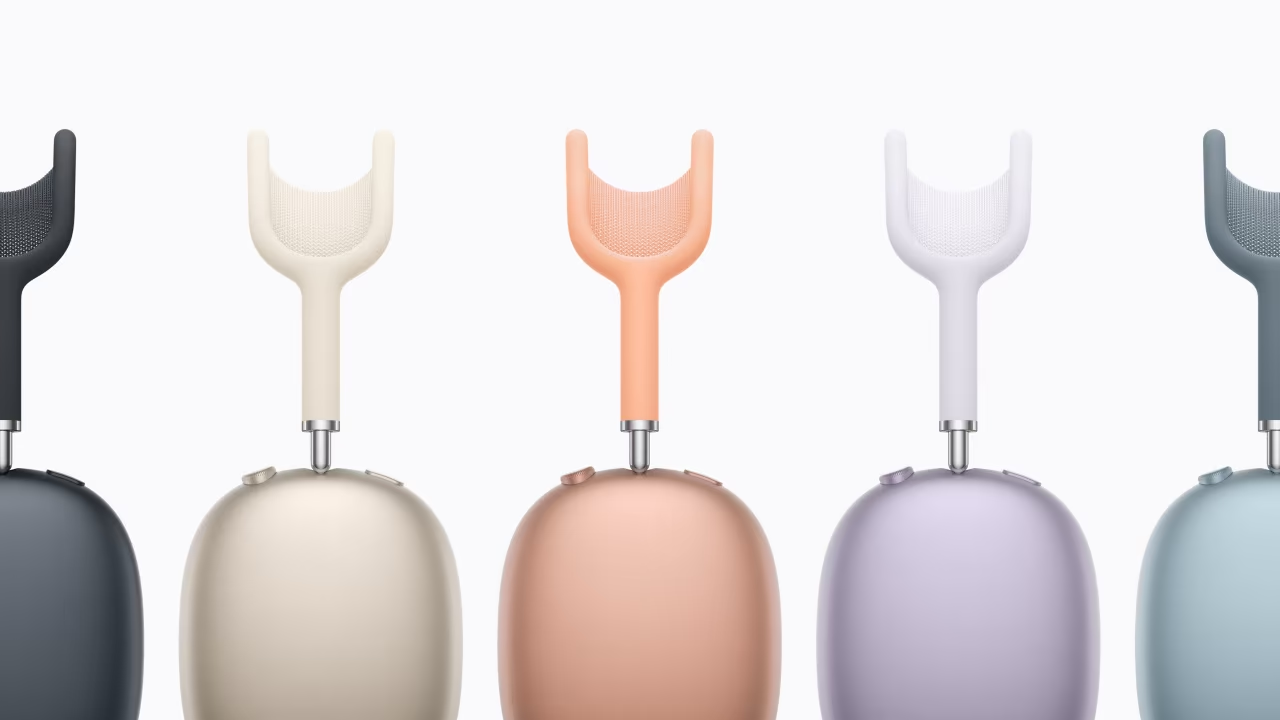
Apple has issued a firmware update for its second-generation over-ear headphones just ahead of their retail release, a move that reflects how closely hardware and software are now tied in modern audio products. The update brings the AirPods Max 2 to version 8E251 and is expected to fine-tune features that rely heavily on on-device processing.
The new model introduces the H2 chip, replacing the earlier silicon used in the first-generation version. This change underpins several of the headline features, including Adaptive Audio, Conversation Awareness, and Voice Isolation. While these functions have been positioned as improvements to everyday listening, their effectiveness typically depends on ongoing software adjustments. Early firmware updates like this are often less about adding new capabilities and more about stabilizing performance before devices reach a broader user base.
The inclusion of features such as Live Translation signals a continued shift toward integrating AI-assisted tools directly into consumer audio devices. However, the long-term usefulness of these features will depend on how reliably they perform in real-world environments, particularly in situations with background noise or inconsistent connectivity. Early adopters will likely play a role in surfacing limitations that future updates may address.
As with previous AirPods models, there is no direct way for users to manually install firmware updates. The process remains automatic: the headphones update in the background when connected to power and within Bluetooth range of a paired device that has an active internet connection. While this approach simplifies the experience for most users, it also limits visibility and control, which can be frustrating for those trying to troubleshoot or verify updates.
The timing of this release suggests that Apple is aiming to avoid early user complaints tied to software instability, a common issue in first-batch hardware launches. It also highlights a broader industry pattern where devices are increasingly refined after announcement rather than arriving fully matured on day one.
For those considering an upgrade, the differences between the first and second-generation models center largely on processing capabilities rather than fundamental design changes. That distinction may influence whether the improvements feel meaningful enough to justify the cost, especially for users who are already satisfied with existing performance.