

Every year, CES claims to show us the future. CES 2026 did exactly that but it also revealed a growing disconnect between where technology is heading and where consumers are emotionally willing to go.
AI was everywhere in Las Vegas this year. It powered laptops, televisions, home appliances, cars, robots, wearables, and software platforms. Nearly every major brand from ASUS and LG to Samsung, Lenovo, and countless startups used AI as the foundation of their product story.
Sifting through the many product innovations that were on show this year, I personally loved the idea that AI should be in some appliances but I’m still very much opposed to what it’s doing and that’s taking agency away from the consumer.
With that said here’s what I personally loved and disliked from CES and why this year would be a watershed year as consumers may start to reject giving AI complete control.
The Smart Home Gets Smarter
The future home is intelligent, predictive, and more automated than ever. Refrigerators, which I think shouldn’t have AI, now think ahead, washing machines learn behaviour patterns, and air systems respond not just to temperature, but to lifestyle and health data. Yet for all the sophistication on display the question remains should the average consumer actually want this much intelligence in their home?

LG positioned itself as one of the most ambitious exhibitors in the AI-enabled appliance category, showcasing a more broader vision of living spaces where intelligence anticipates needs and reduces household work. LG framed its entire CES presence under the theme of Affectionate Intelligence. At the heart of LG’s appliance showcase was its LG ThinQ smart home platform, which now ties together connected ovens, refrigerators, washers, dryers, and other devices into an AI-aware ecosystem but perhaps the most striking innovation from LG was LG CLOiD, an AI-powered home robot designed to carry out physical household tasks by coordinating with ThinQ-connected appliances.
LG’s CLOiD home robot was one of the most talked-about appliance-adjacent reveals at CES 2026, positioned as a physical extension of LG’s “Zero Labor Home” vision rather than a novelty gadget. Designed to move through the home, interact with LG ThinQ appliances, and perform tasks like loading laundry, folding clothes, or coordinating with you in the kitchen.
I personally think, what CLOiD ultimately represents is where smart homes should be heading but I am not sure I’m fully on board with AI that doesn’t just suggest or automate, but physically acts on our behalf. Whether consumers are ready to welcome that level of autonomy into their living spaces remains an open question.
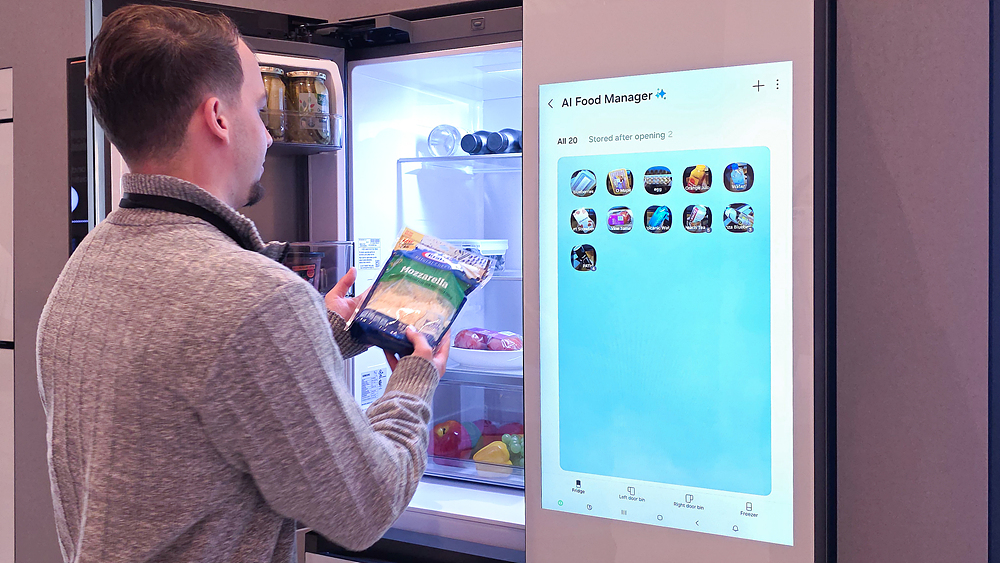
Samsung unveiled significant upgrades to its Bespoke AI appliance line, turning traditional refrigerators, laundry systems, air conditioners, and robot vacuums into connected, context-aware devices that see, listen, and suggest. The Bespoke AI Refrigerator Family Hub offered personalised overviews of schedules and food patterns, recipe recommendations, and integrated generative AI (via Google Gemini), while the Bespoke AI Laundry Combo and AirDresser delivered smarter fabric care and coordination. Samsung also highlighted an AI-powered Jet Bot Steam Ultra vacuum with advanced object recognition and liquid detection.
Govee also introduced new smart lighting solutions that emphasise colour quality, adaptive illumination, and expanded ecosystem integration through partnerships such as with Samsung SmartThings.
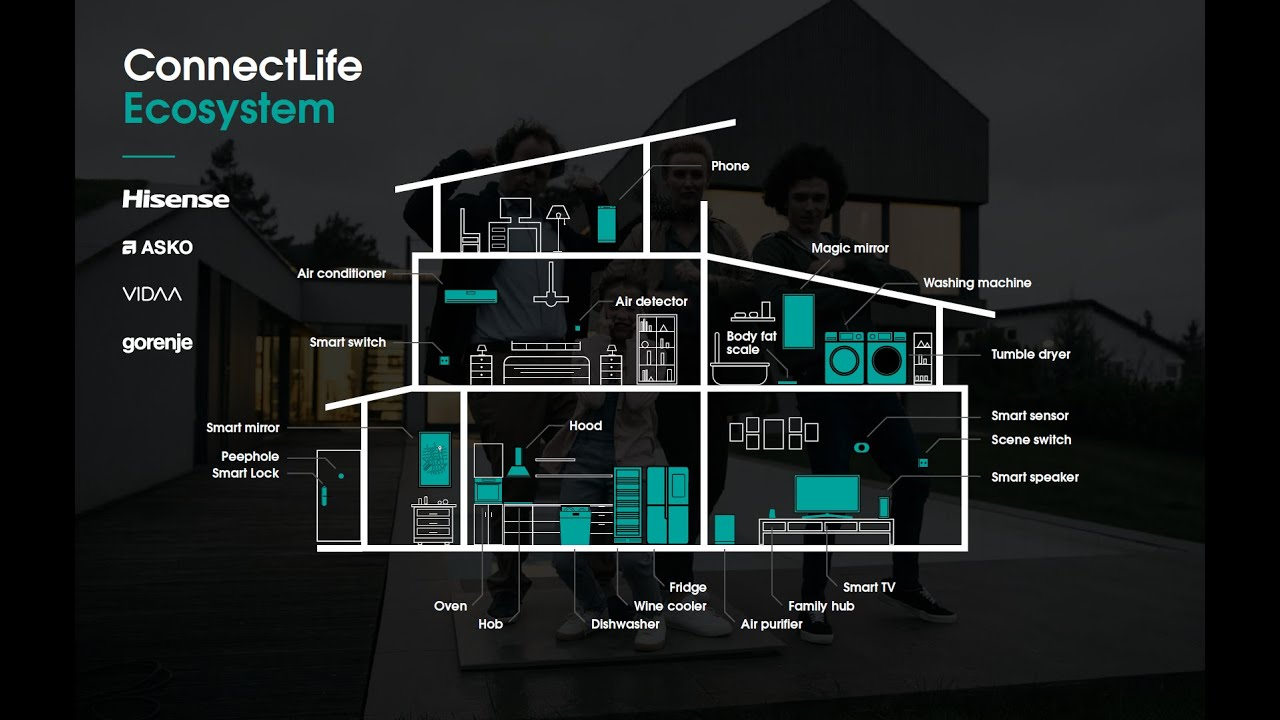
Hisense presented its smart home vision under the ConnectLife platform, blending large-screen entertainment with intelligent kitchen, air, and laundry solutions arranged around real-life usage scenarios. It also introduced humanoid service and companion robots but didn’t clearly outline what purpose these robots would serve and I guess we’ll see more from them.
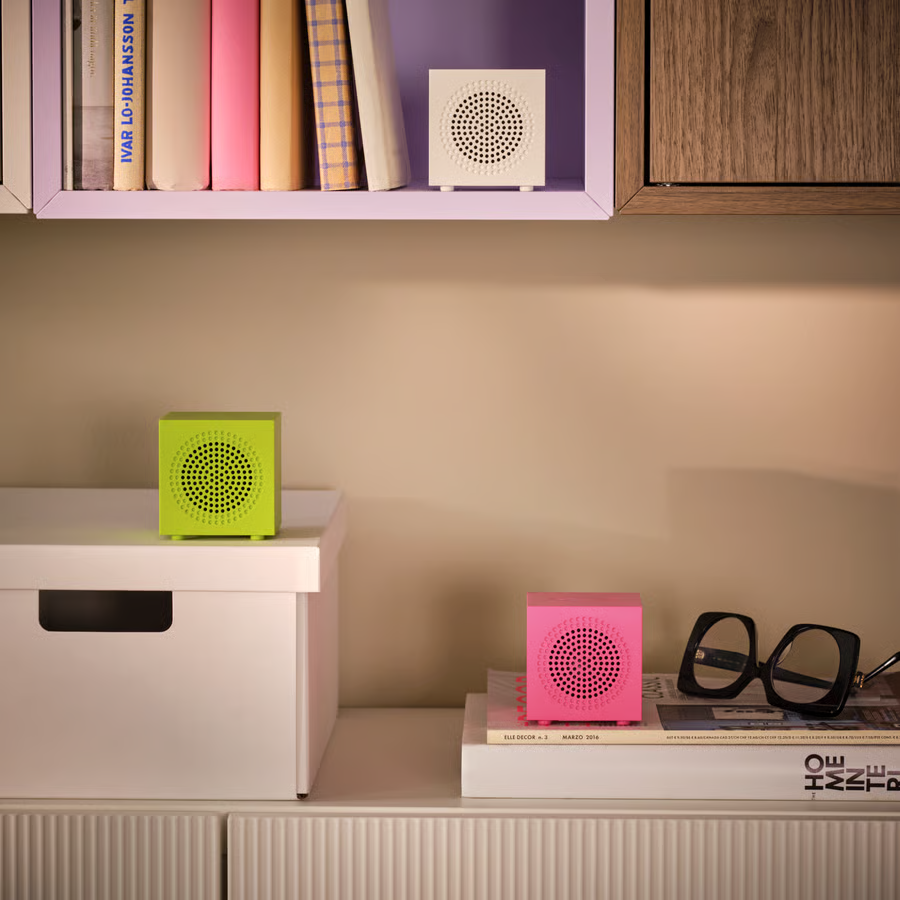
IKEA showcased smart home accessories like the Varmblixt LED smart lamp and Kallsup speakers, combining attractive design, affordability, and practical utility in connected living which was a massive stark contrast to higher-end AI platform announcements from the other brands.
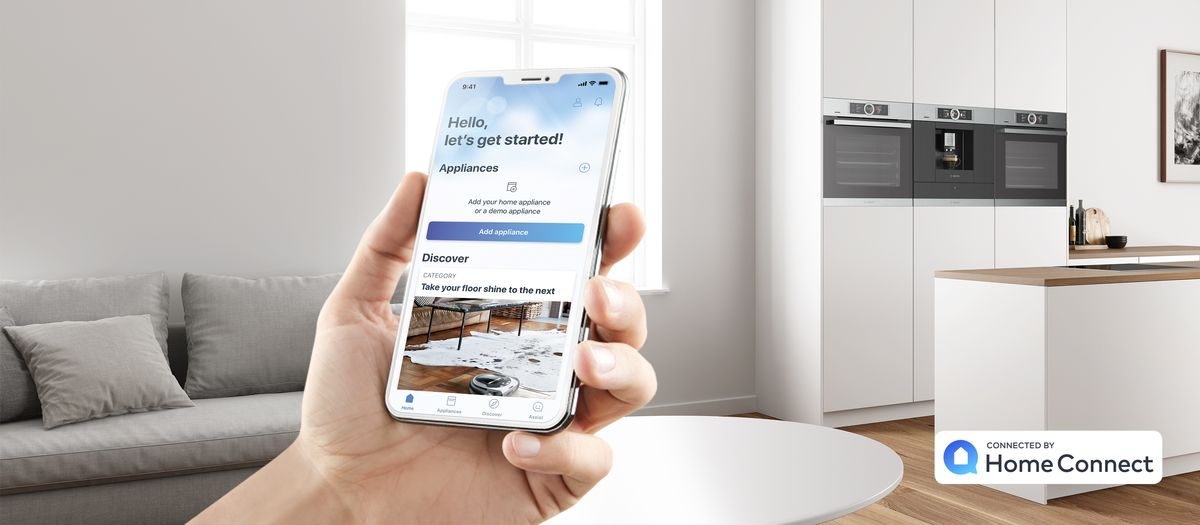
For the other brands Bosch showcased AI-assisted kitchen appliances that use sensors and software to guide cooking and coordinate devices through its Home Connect platform. Aqara presented Matter-compatible smart locks, sensors, and climate controls designed around presence detection and automation. And on the home cleaning side of things, Roborock demonstrated next-generation robot vacuums with improved navigation and obstacle handling for complex home layouts.
The AI smart home products at CES 2026 were impressive overall, but LG stood out by showing how AI can remove everyday annoyances. Personally this is what AI should be doing and the beliefe that technology can reduce effort and repetition. This task-first approach made its smart home vision easier to relate to compared to what everyone else was showing this year. So here’s hoping we’ll see more from them on this.
Laptops at CES 2026 saw AI upgrades
Nearly every major PC manufacturer used the show to frame its newest machines as “AI PCs,” built around on-device neural processing rather than just faster CPUs or GPUs. Ironically, this is a time where Microsoft has been dropping the ball consistently on Windows 11 updates and have come under increased scrutiny with apps just breaking down in software.
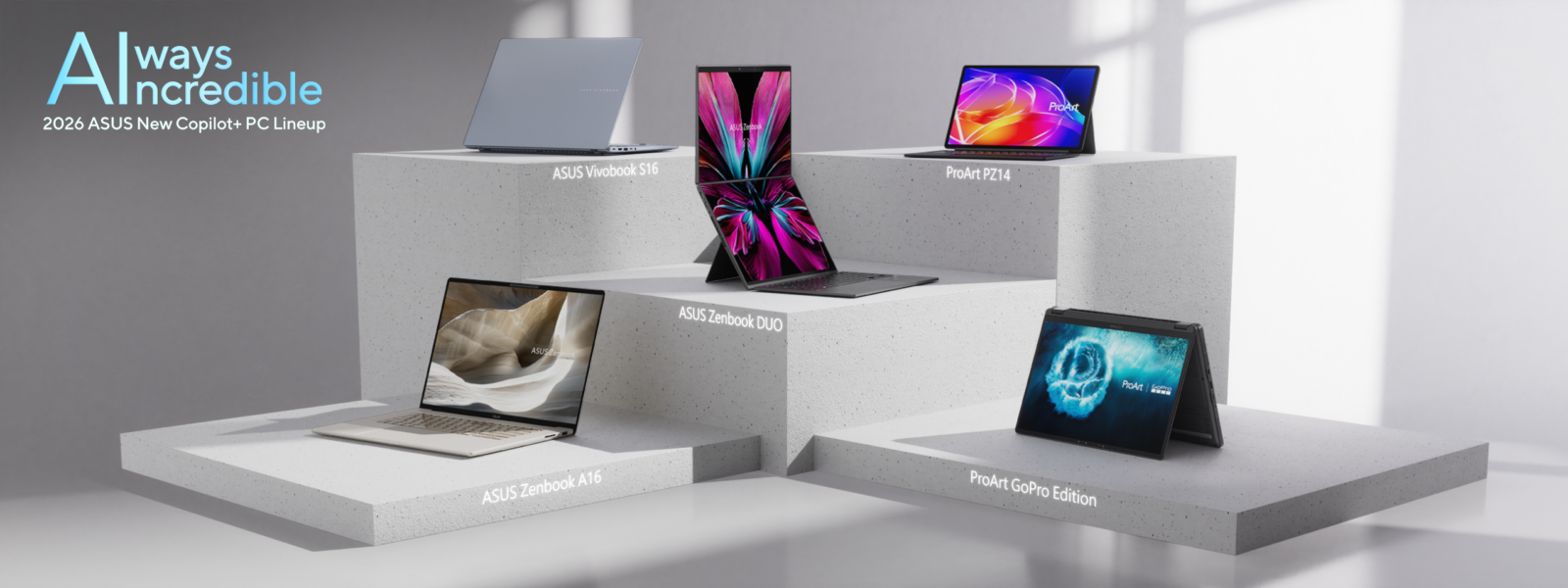
ASUS continued to position itself as the most experimental of the mainstream laptop brands. Its flagship consumer announcement was a refreshed Zenbook Duo, featuring dual OLED touch displays and a detachable keyboard designed for multitasking and creative workflow. Alongside this, ASUS expanded its Copilot+ lineup with thin-and-light AI laptops focused on battery life and local processing. And on the gaming and creator side, ROG refreshed its Zephyrus and dual-screen notebooks as a way to stand out in a crowded AI laptop market.
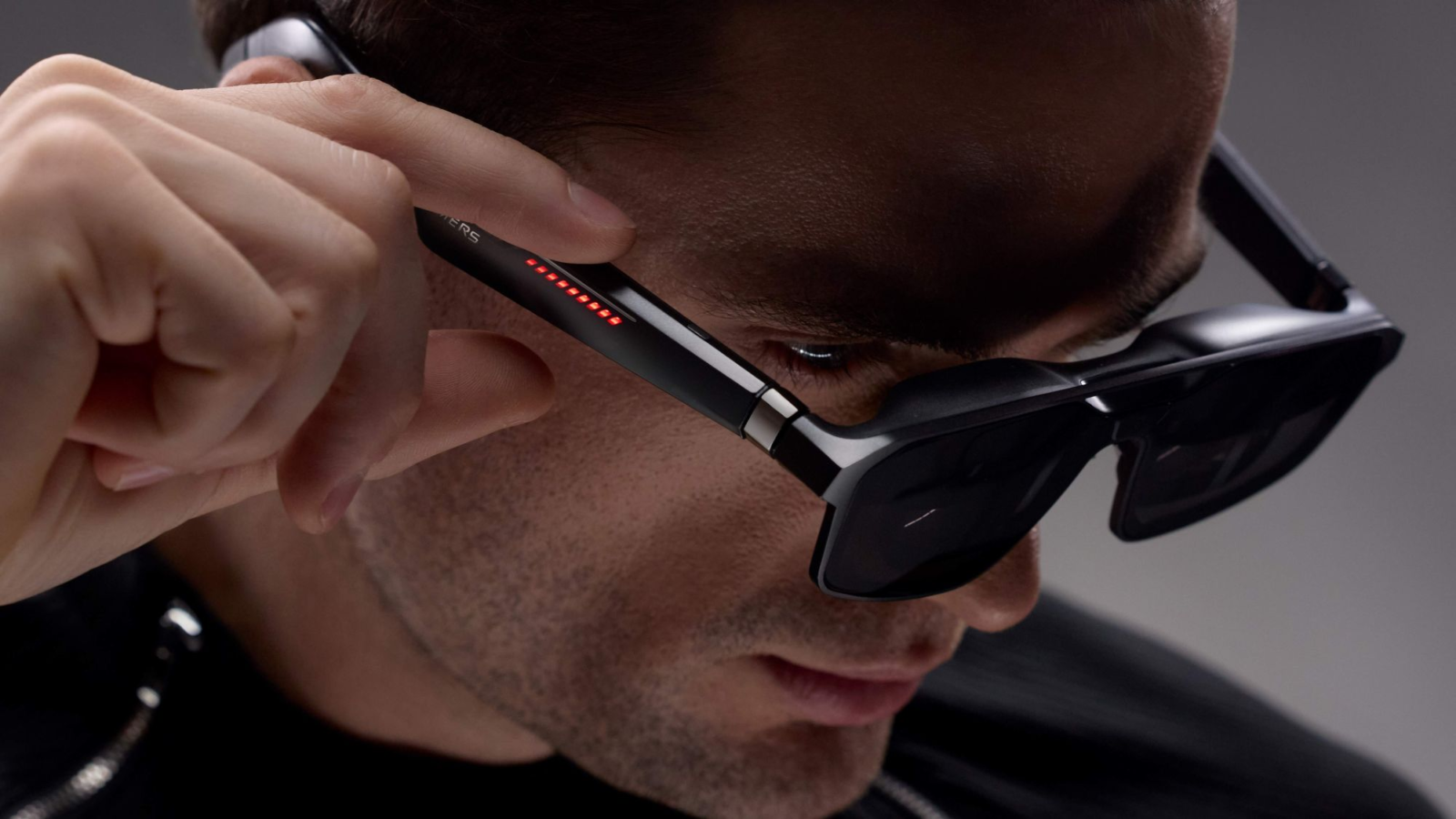
ASUS ROG also used CES 2026 to push into wearable displays with the ROG XREAL R1 gaming glasses, pitched as a portable big-screen solution for PC, console, and handheld play. ROG frames them as a 171-inch virtual screen experience with a 240Hz micro-OLED FHD panel and a 57-degree field of view, plus features like an Anchor Mode that pins the virtual display in place without requiring extra software. They also bundle a ROG Control Dock with multiple inputs to switch between devices more easily, positioning the glasses as an alternative to carrying a monitor or relying on small screens while traveling. This was arguably one of the coolest things I’ve seen and I’m tempted to get one.
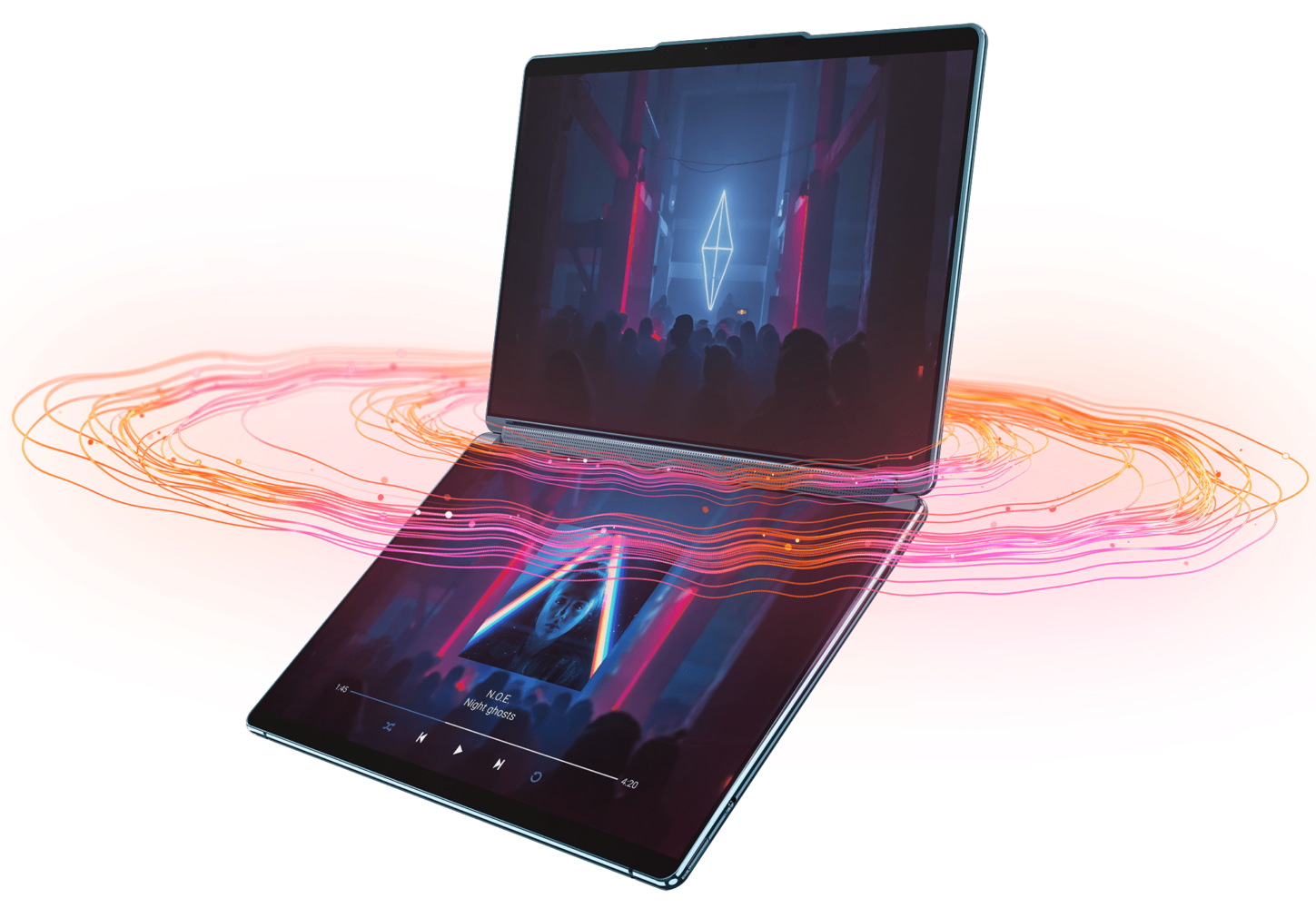
Lenovo spread its AI positioning across multiple families. The Yoga lineup was expanded with Aura Edition models aimed at creators, combining high-resolution displays with Intel Core Ultra Series 3 processors and optional RTX laptop graphics. Lenovo also pushed Snapdragon-powered models in its Slim and IdeaPad lines, presenting them as always-connected, long-battery AI machines rather than traditional Windows laptops.
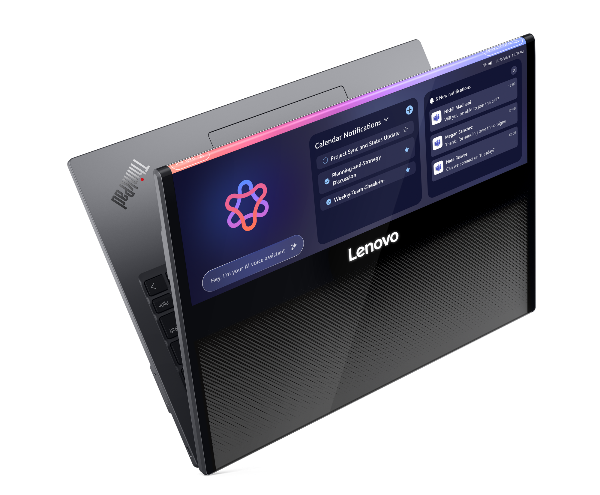
Conceptually, Lenovo continued to explore rollable and flexible displays especially with a cool extendable display on a laptop which we’ve seen previously and loved in their thinkpad notebooks.
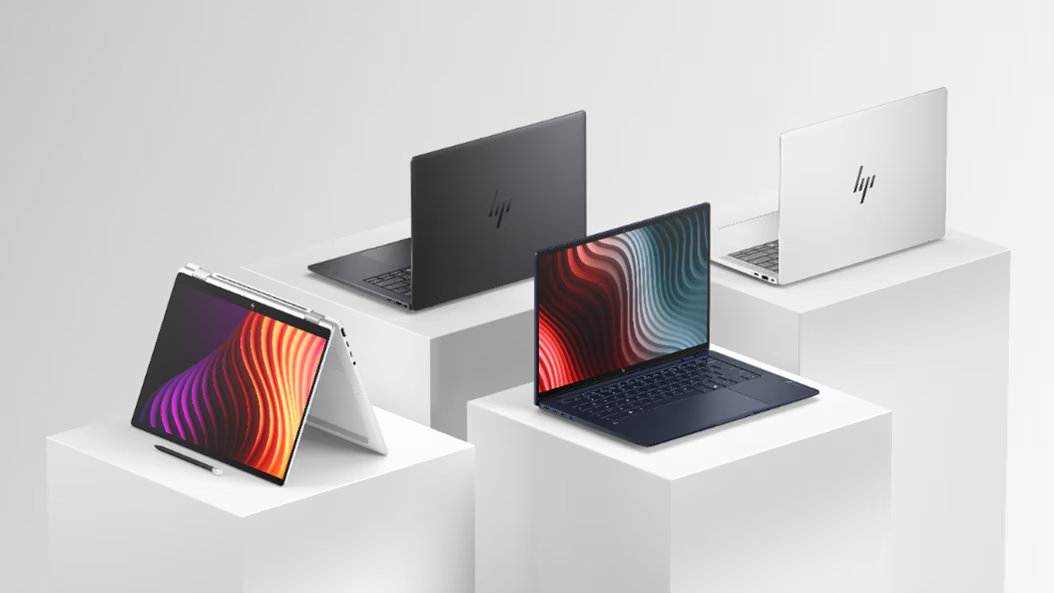
HP unveiled the EliteBook X G2 series as its flagship AI PC platform, offering the same chassis across Intel, AMD, and Qualcomm silicon. Positioned as Copilot+ systems built for local inference, security, and endurance. While HP also refreshed consumer models under its OmniBook naming, the spotlight remained on enterprise AI productivity and hybrid work mostly.
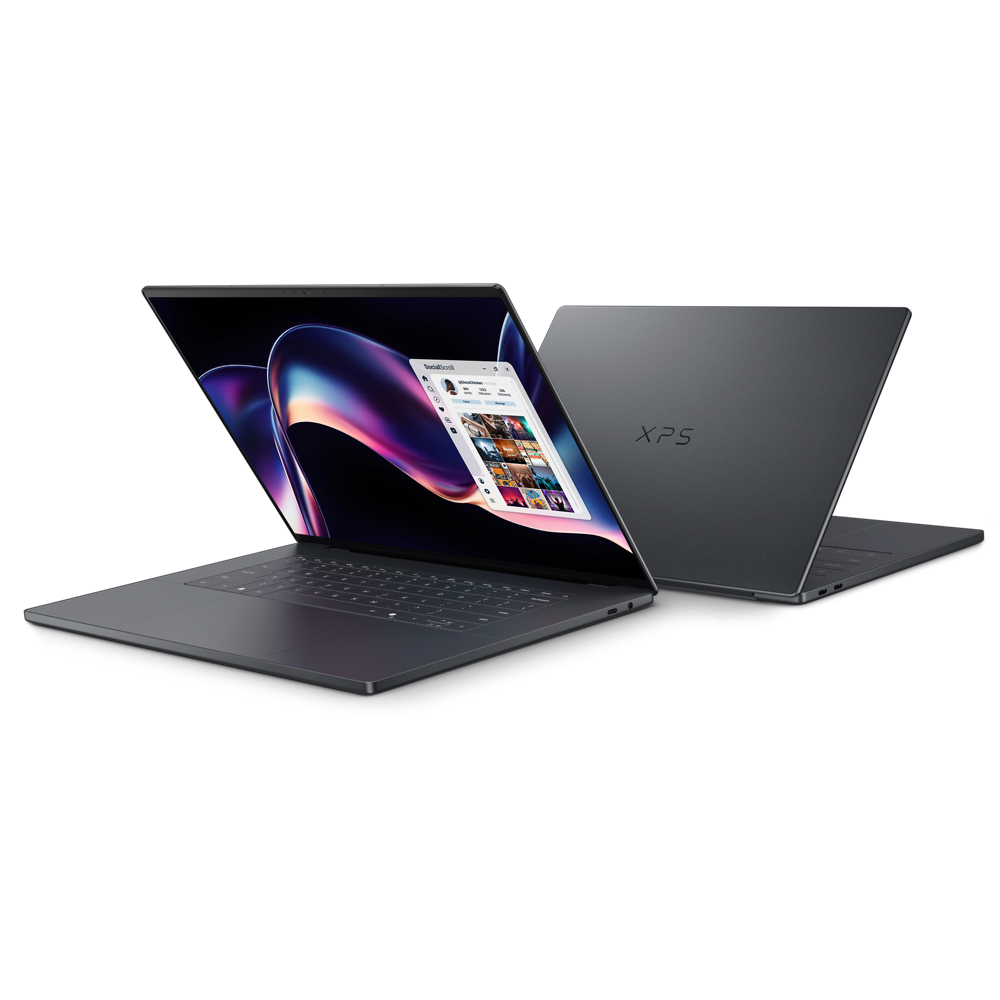
Dell was seemingly convinced that the AI trend wasn’t working for them, the company went back to the basics and focused on what made them popular.The company reintroduced the XPS line, finally, with redesigned XPS 14 and XPS 16 models, emphasising slimmer chassis, reduced weight, and extended battery life powered by Intel Core Ultra Series 3 processors.
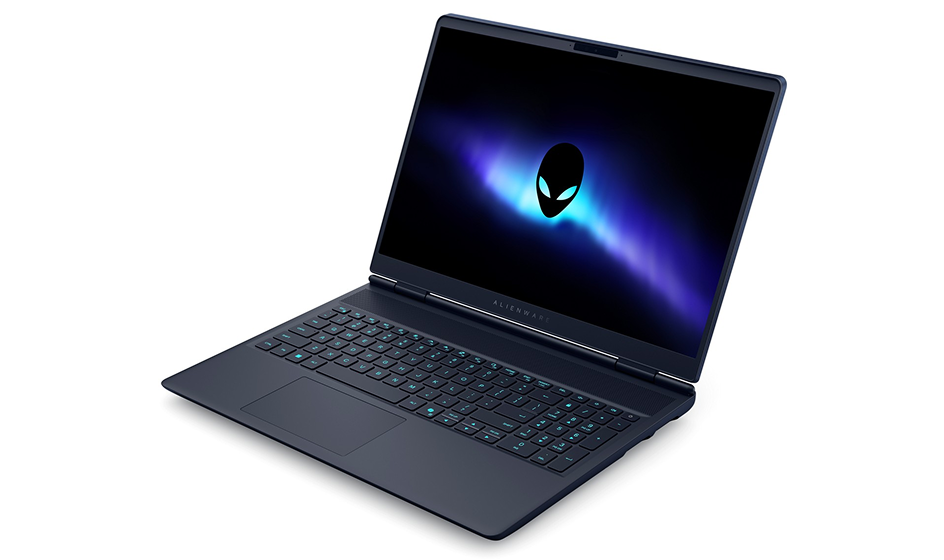
Alienware, meanwhile, expanded its gaming portfolio with performance systems, though the bigger story was Dell’s attempt to make its flagship consumer laptops feel modern again in an AI-first serving market deciding it was jumping off that train and instead focusing on providing superior hardware for consumers. Alienware introduced two new product classes: an ultra-slim gaming laptop and a new entry-level laptop that brings Alienware to a much broader audience at significantly lower price points.
Alienware debuted anti-glare OLED displays on the 16 Area-51 and 16X Aurora laptops, delivering stunning OLED visuals with breakthrough anti-glare technology.
These laptops, along with the Alienware 18 Area-51, feature the powerful new Intel Core Ultra 200HX processors. Additionally, the Alienware Area-51 Desktop is equipped with AMD’s new Ryzen 9850X3D processor and 3D V-Cache technology
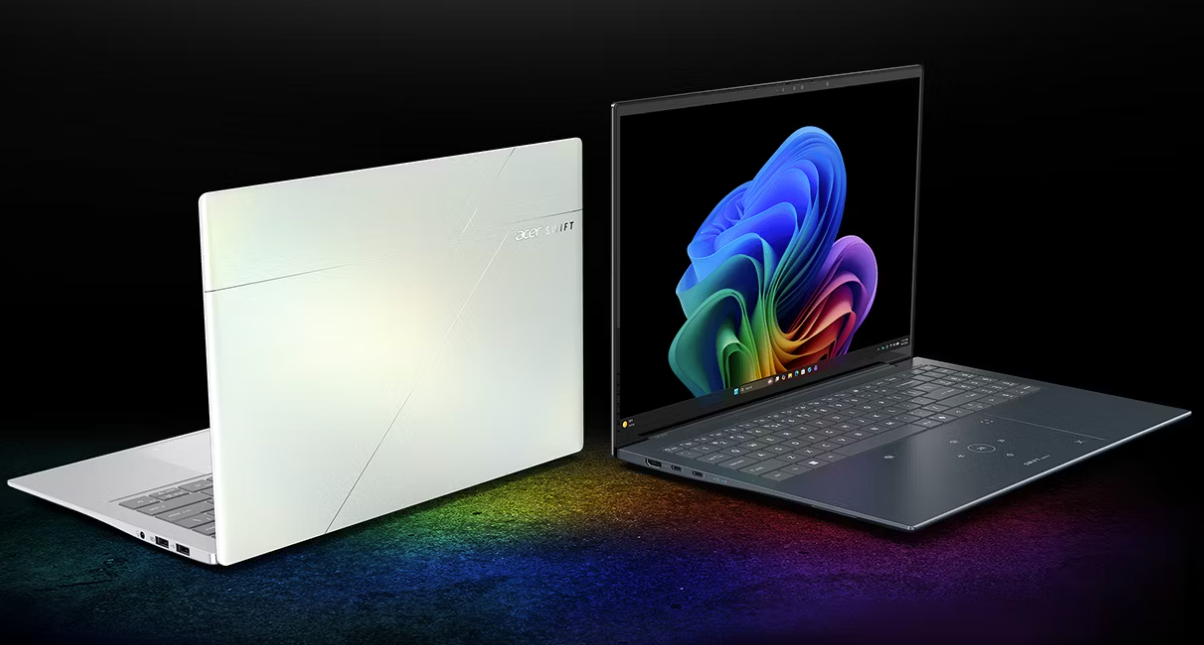
Acer’s Predator and Nitro lines were updated with new Intel processors and RTX laptop GPUs, while also adopting “AI” branding. Acer also extended its AI positioning into its Swift and Aspire families, showing that even budget and mid-range laptops will be on the Copilot program.
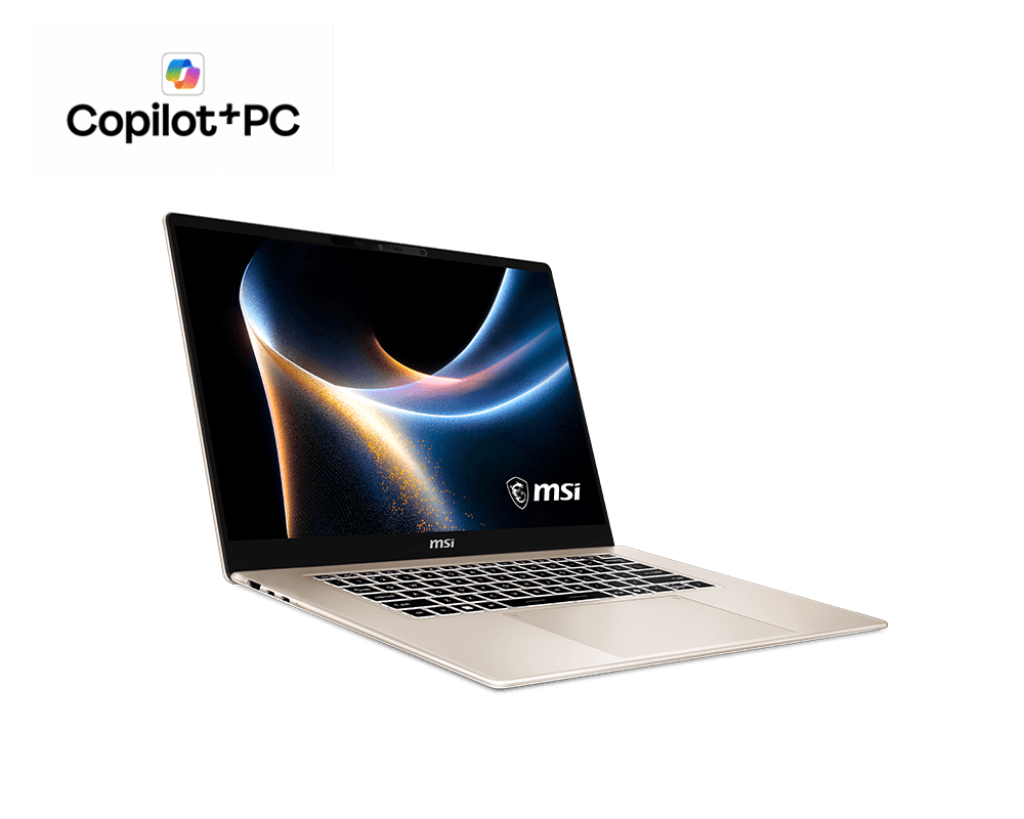
MSI introduced a refreshed Prestige lineup aimed at business and creators, with thinner designs and Intel Core Ultra Series 3 processors, while simultaneously updating gaming families such as Raider, Stealth, and Crosshair.
GIGABYTE and its AORUS showcased its GiMATE software layer, designed to unify system monitoring, voice control, and AI-assisted tuning across its machines.

Razer was the outlier. Instead of launching a major Blade refresh, it used CES 2026 to talk about AI as a gaming companion concept rather than a laptop feature. Its Project Ava assistant was positioned as an AI layer that could analyse gameplay, offer coaching, and integrate into streaming and esports. Unlike on-screen assistants, Project AVA displays a 5.5-inch animated avatar and uses cameras and microphones to observe and respond to what you’re doing, offering assistance with schedules, productivity tasks, gaming tips, and more. AVA can take on multiple personalities and is being positioned as a more engaging version of a digital assistant for work, play, and everyday life, with reservations available now for a 2026 release. That is, of course, you’re ok with your avatar being powered by Grok.
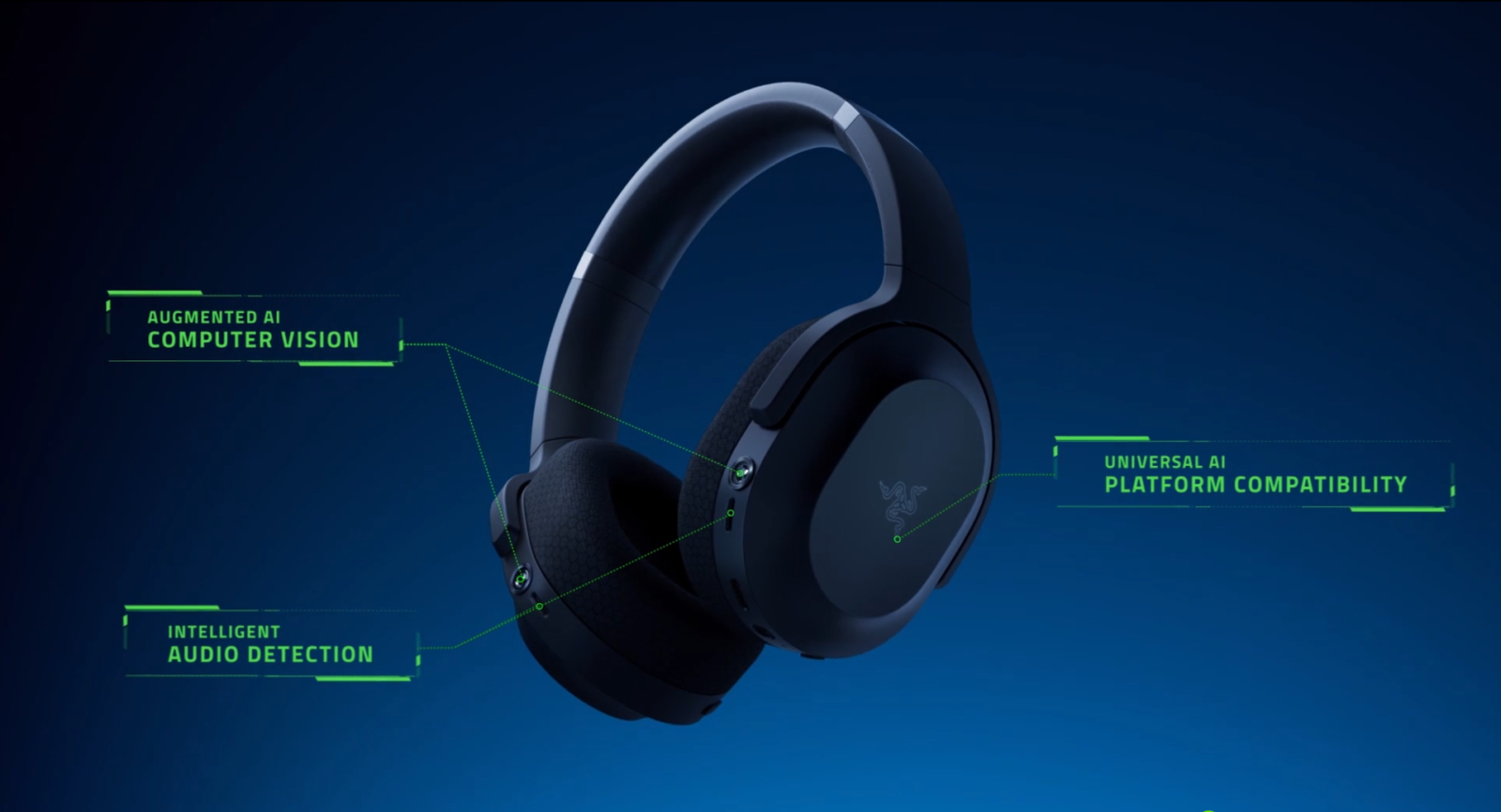
Razer also unveiled Project Motoko, a concept for an AI-native wireless headset that combines contextual awareness with immersive audio experiences. Powered by Snapdragon and designed to capture both visual and audio data, Motoko is meant to act as an always-on AI assistant you wear, blending gaming, your environment, and productivity support in a headphone form factor.
Mobile saw new form factors
Mobile at CES 2026 was less about phones you can buy and more about phones that might exist one day. Instead of flagship launches, brands focused on experimenting with shape, size, and flexibility, using foldable, rollable, and expandable screens to suggest what comes after today’s slab design. The category felt like it was in a holding pattern, searching for its next big idea.
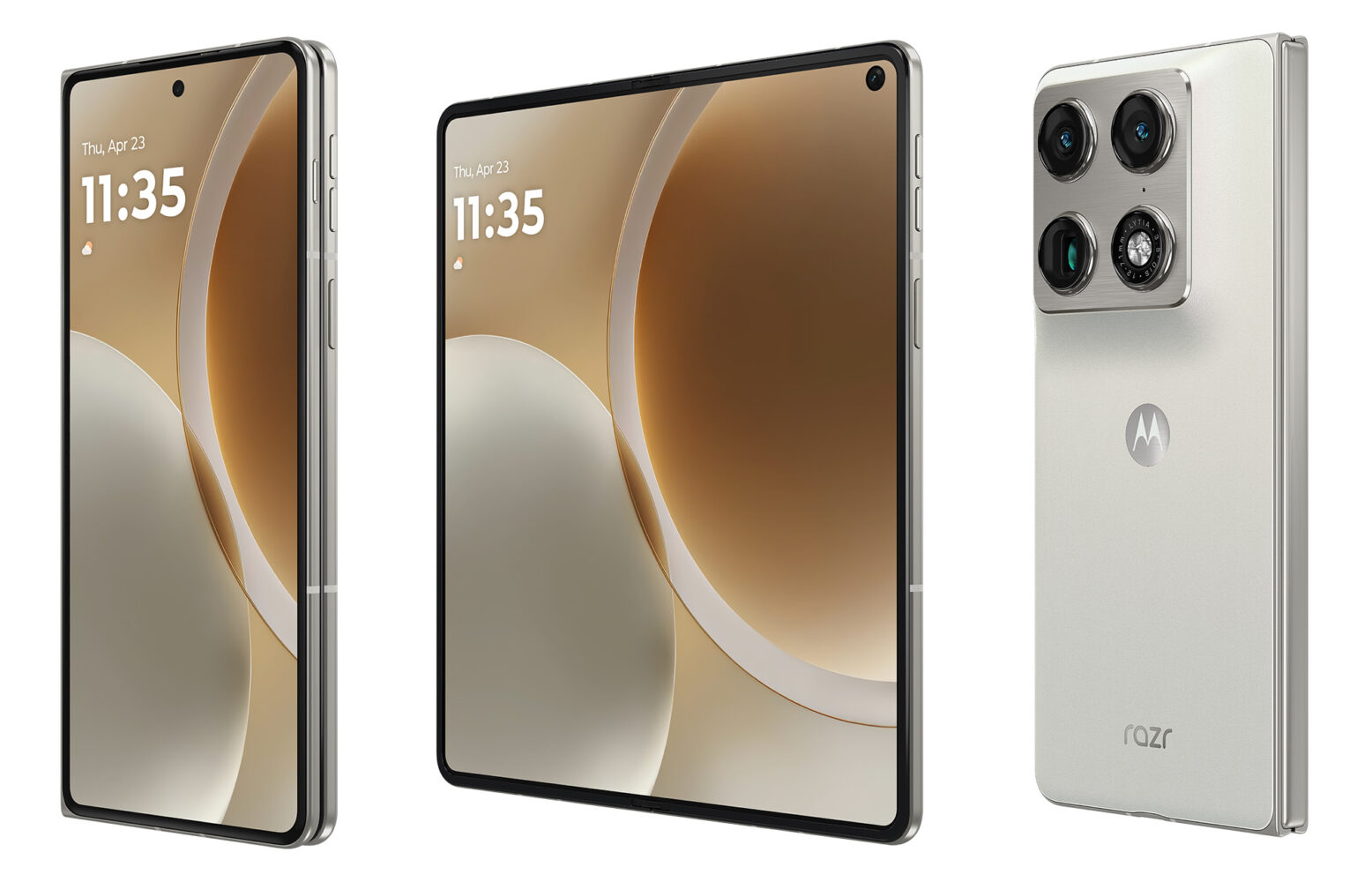
Motorola showcased a next-generation Razr foldable concept focused on AI-assisted photography, multitasking, and improved hinge durability, continuing its strategy of using foldables to stay relevant in a slowing smartphone market.
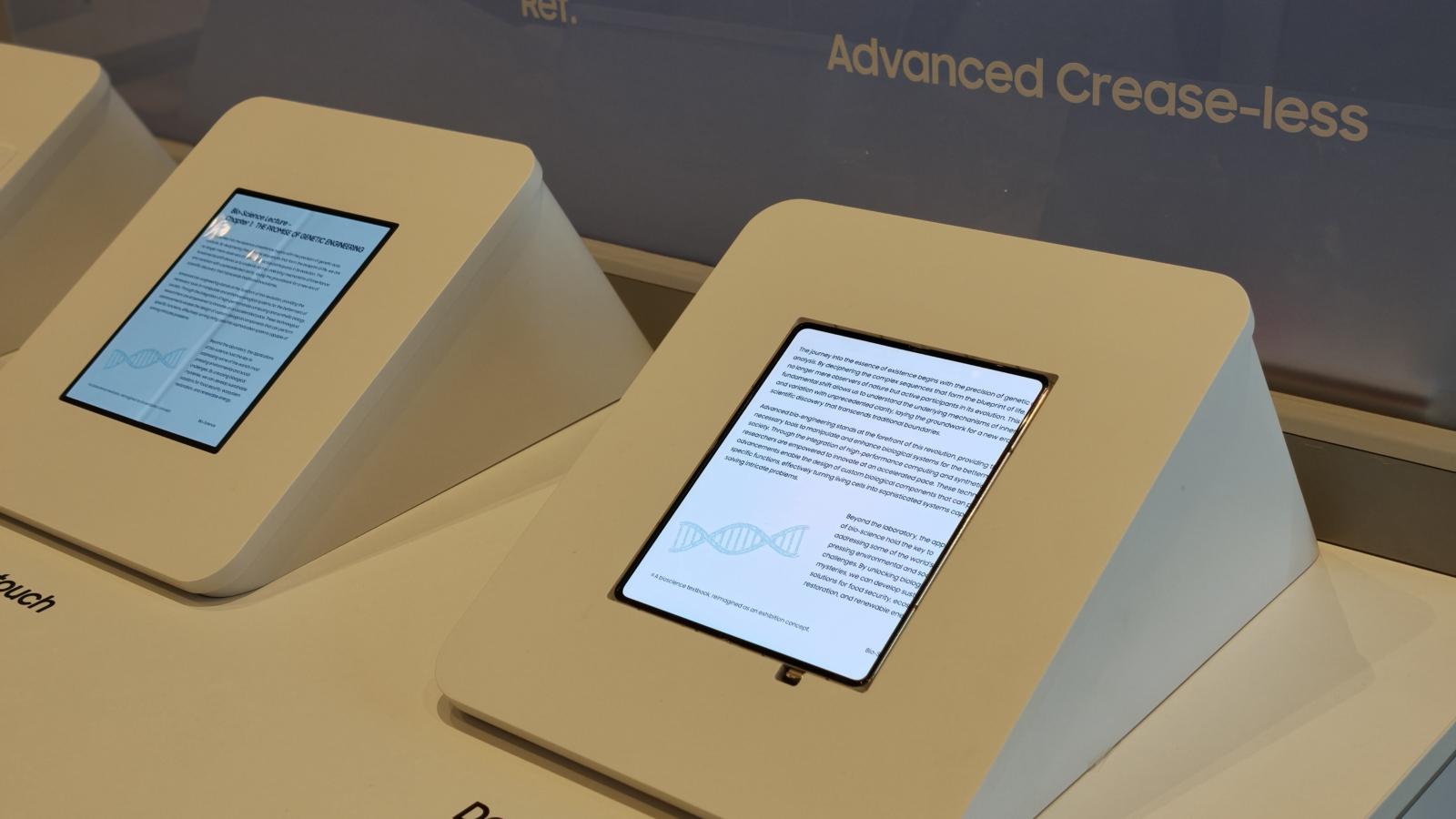
Samsung Display, returned with multi-fold and rollable display concepts that can expand from phone-sized panels into tablet or mini-laptop form factors, signalling that screen innovation is still being prioritised and this is what we’ll see for the iPhone Fold when it does come out.
TCL’s display division and BOE also demonstrated flexible OLED concepts aimed at future mobile designs, reinforcing that the supply chain itself is still experimenting with how phones might physically evolve. Given their recent partnership with Sony, I fully expect Sony to do something with this.
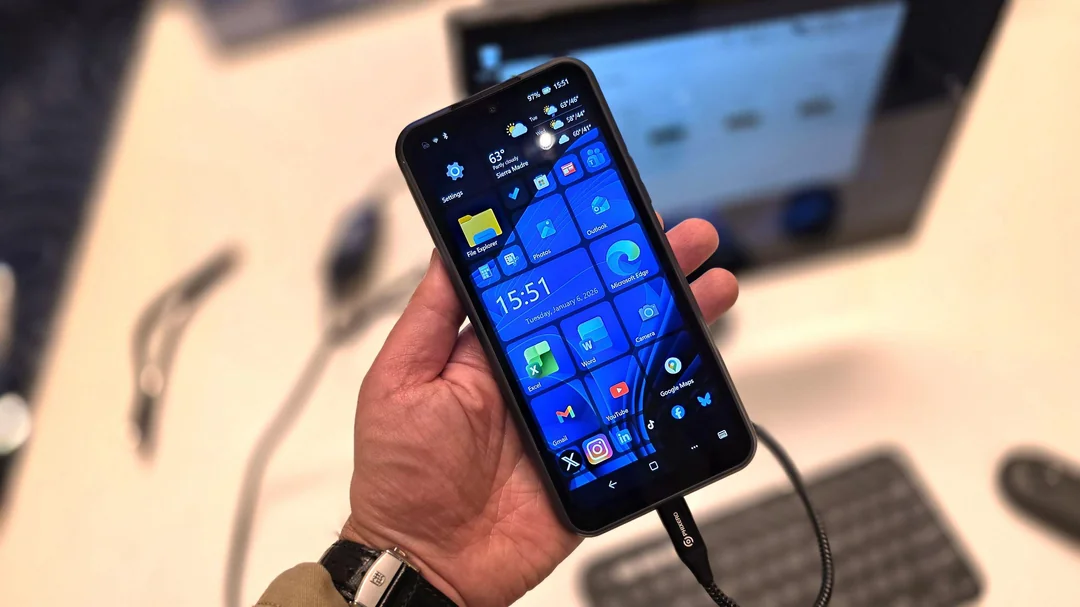
NexDock drew attention with its NexPhone concept, designed to function as both a smartphone and a pocket PC capable of running desktop software when docked into a keyboard shell.
Health tech sees more AI integration
Health technology at CES 2026 moved beyond tracking and into intervention. Instead of simply measuring sleep, movement, and heart rate, many products now aim to actively change outcomes by adjusting beds, environments, and routines automatically.
This makes health tech one of the most logical places for AI to exist, but also one of the most sensitive. When technology starts influencing how people rest, recover, and live, it stops being a passive tool and that to me is a little concerning.
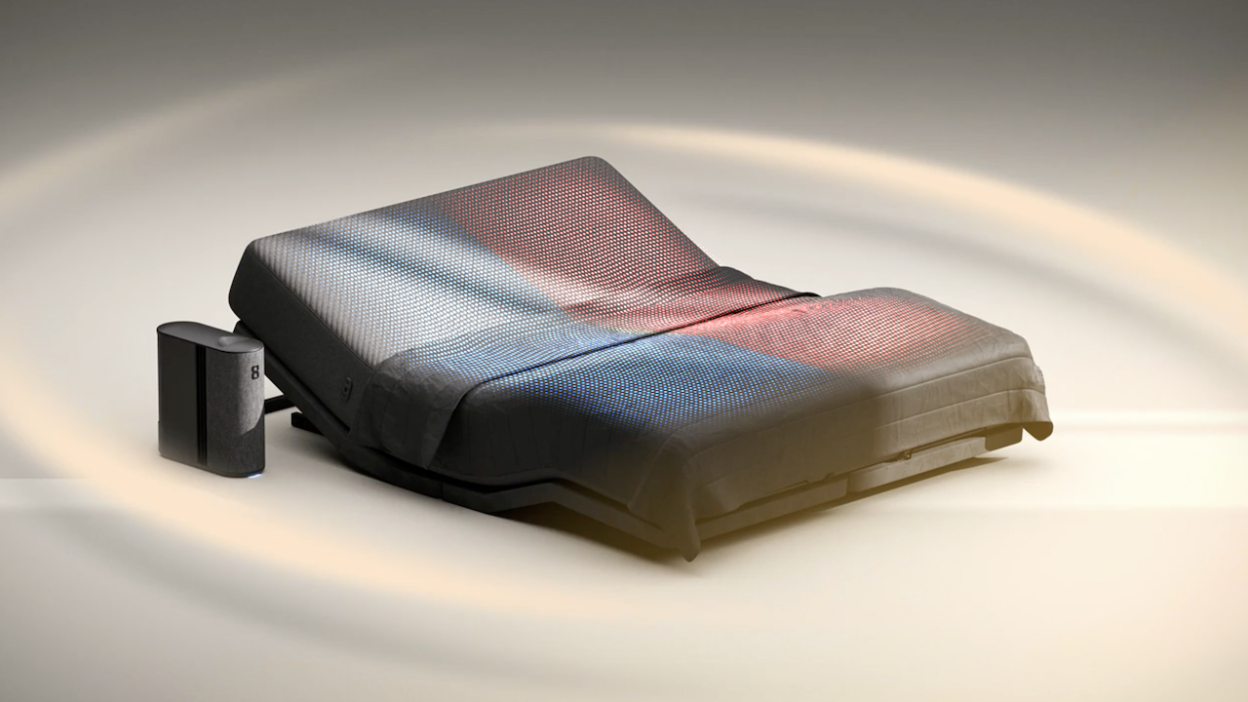
Eight Sleep showcased its AI-powered mattress system that actively adjusts temperature and support based on biometric data such as heart rate and movement throughout the night. While Sleep Number demonstrated beds that change firmness and posture dynamically using AI rather than relying on manual presets.
Withings expanded its connected health ecosystem with smart scales and monitoring devices focused on long-term trends such as cardiovascular health and metabolic data.
Samsung highlighted wellness integrations tied into its broader ecosystem, linking sleep tracking with air quality sensors and daily routines through its SmartThings platform.
Oura also continued to position its ring as a medical-grade wellness device rather than a fitness accessory, pushing sleep and recovery analytics as its core value.
Cars and Mobility
The automotive presence at CES 2026 focused less on vehicles as machines and more on vehicles as software platforms. Cars are being reimagined as connected environments that learn routes, habits, and preferences.
It is an exciting direction from a technology perspective, but it also places AI into one of the most safety-critical spaces consumers interact with every day. Despite being one of those who endorse tech improving automotive, I’m with my fellow automotive journalists that maybe a vehicle should NOT be a “software platform”
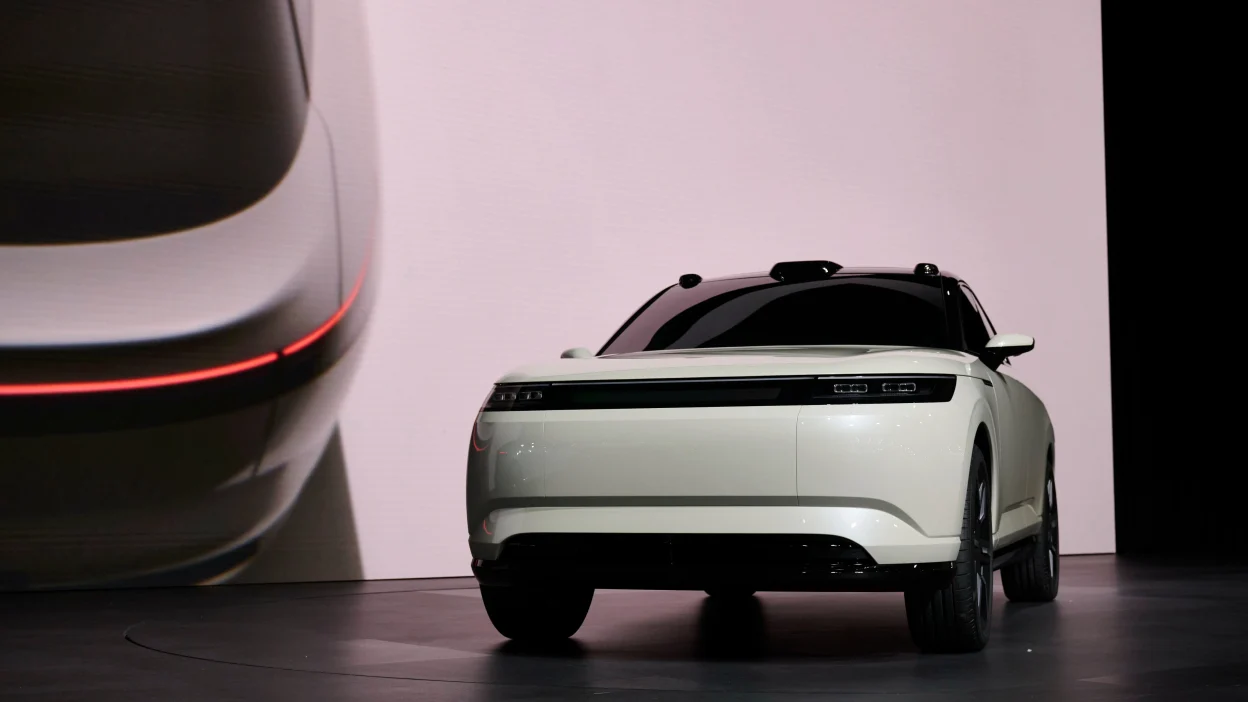
For cars, Sony Honda Mobility presented its latest AFEELA prototype with an emphasis on in-car AI assistants, large digital dashboards, and entertainment features rather than performance or styling.
Hyundai Motor Group showcased its connected mobility ecosystem linking vehicles with robotics, charging infrastructure, and AI logistics platforms.

BMW demonstrated an upgraded conversational assistant capable of controlling navigation, climate, and infotainment through natural language, while Mercedes-Benz highlighted AI-driven in-car systems designed to predict routes, manage energy usage, and personalise cabin settings.
Honda focused on its zero-emissions and autonomy roadmap, tying future vehicles into cloud-based intelligence platforms.
The Corporate Electronics Show proves you may not own your tech
Now that the dust has settled and I’ve had some time to gather my thoughts, the major takeaway for me is that it was obvious that a lot of products existed because they fit a corporate strategy to mandate AI, not because they solved a real problem.
The result is a show full of systems that want to manage us, predict us, and optimise us, while most people are still trying to decide if they even trust these systems in their homes, on their bodies, or behind the wheel.
Take the rise of AI in basic household devices. Refrigerators with cameras and voice assistants were presented as lifestyle upgrades, even though most people still just want them to keep food cold reliably.
Coffee machines were shown with conversational AI and personalisation layers, despite the fact that pressing a button already solves the problem. And to me, that’s not what I consider a breakthrough in user experience, they are just mere demonstrations of what is technically possible when a company needs to justify adding AI to a category that never asked for it.
The same pattern showed up in novelty tech. There were AI-powered desk companions designed to watch you and offer motivation, robotic pets that claim to provide emotional support, and even disposable gadgets like electronic lollipops that transmit sound through your skull.
These products are impressive as engineering exercises, but they highlight how far the industry is willing to stretch the definition of “useful” just to say something has intelligence inside it. When intelligence becomes the product instead of the solution, usefulness becomes secondary.
Even in categories where AI does make sense, the balance often felt off. Health tech is a good example. Beds that adjust posture automatically and sleep systems that decide optimal temperatures sound helpful on paper, but they also assume users want technology actively shaping how they rest and it’s not always going to be reliable in an event, let’s say a cloud service stops working.
What CES 2026 really just pointed out to me is that the industry is optimising for scale, platforms, and the investor, not emotional comfort or human instinct.
That is why the show to me felt impressive but uneasy. It was full of technology that works, but not always technology that feels wanted. The disconnect is not about whether AI is powerful. It is about whether the direction of that power aligns with what people actually want in their homes, on their bodies, and in their pockets AND if they can even afford them to begin with.
While consumers are still asking a simpler question. Does this make my life better, or does it just make the product more complicated? Until those two sides meet in the middle, CES will continue to look like a showcase of ambition for companies.