
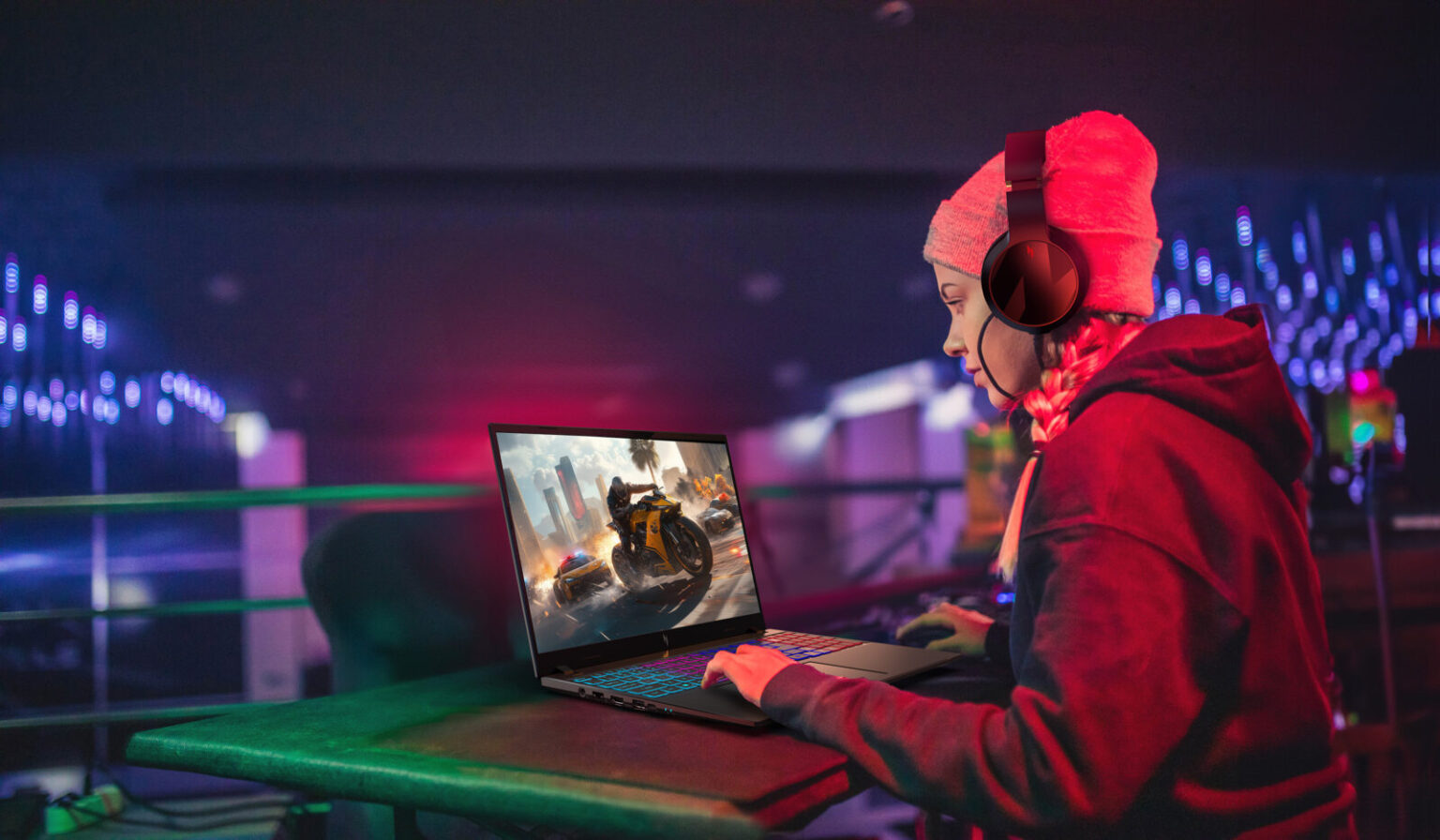
Acer has outlined its next wave of gaming hardware, expanding both its Predator and Nitro laptop lines with systems built around Intel Core Ultra Series 3 processors and NVIDIA GeForce RTX 50 Series Laptop GPUs. The announcement, made ahead of the 2026 buying cycle, positions the new models as part of a broader shift toward AI-assisted computing while continuing to target different tiers of the gaming market, from higher-end OLED-equipped machines to thinner, more affordable options.
At the top of the lineup is the Predator Helios Neo 16S AI, a 16-inch gaming laptop that leans toward premium materials and display technology while remaining relatively slim for its class. The system can be configured with up to an Intel Core Ultra 9 386H processor and an NVIDIA GeForce RTX 5070 Laptop GPU, housed in a metal chassis measuring under 19 mm thick. Acer is clearly aiming to balance performance and portability rather than pursuing maximum bulk, a trend that has become more common as gaming laptops overlap with creator-focused workloads.

Acer pairs that hardware with a WQXGA OLED display, offering high contrast, HDR support, and color accuracy suited to both games and visual work. Internally, the Helios Neo 16S AI supports up to 64 GB of DDR5 memory and as much as 2 TB of PCIe storage. Cooling relies on a combination of AeroBlade 3D fans and liquid metal thermal material, a configuration designed to manage sustained loads without excessive noise or throttling. Connectivity includes Wi-Fi 6E, Thunderbolt 4, and a mix of high-speed I/O, alongside an FHD infrared webcam and DTS:X Ultra audio.
Below the Predator line, Acer is updating its Nitro V series with two models aimed at users who want capable gaming performance without premium pricing. The Nitro V 16 AI uses up to an Intel Core Ultra 7 355 processor and the same RTX 5070 Laptop GPU, with support for up to 32 GB of DDR5 memory and 2 TB of SSD storage. It focuses on a more straightforward design, while still including features such as DTS:X Ultra audio and an infrared webcam with a physical shutter.

The slimmer Nitro V 16S AI pushes portability further, coming in under 17.9 mm thick. It shares similar processor and GPU options but is positioned as a more mobile-friendly machine, with a 16-inch WUXGA display, a four-zone RGB keyboard, and Wi-Fi 6E. Acer describes it as a fit for casual or on-the-go gamers who want modern components without moving into higher-priced categories.
Across all three laptops, Acer is emphasizing support for Windows 11 Copilot+ PC features and its own Intelligence Space software, which groups AI-assisted tools for productivity, creative tasks, and gaming. Each system includes an NPU capable of more than 45 AI TOPS, enabling on-device features such as real-time captions and basic content generation without relying entirely on cloud services.
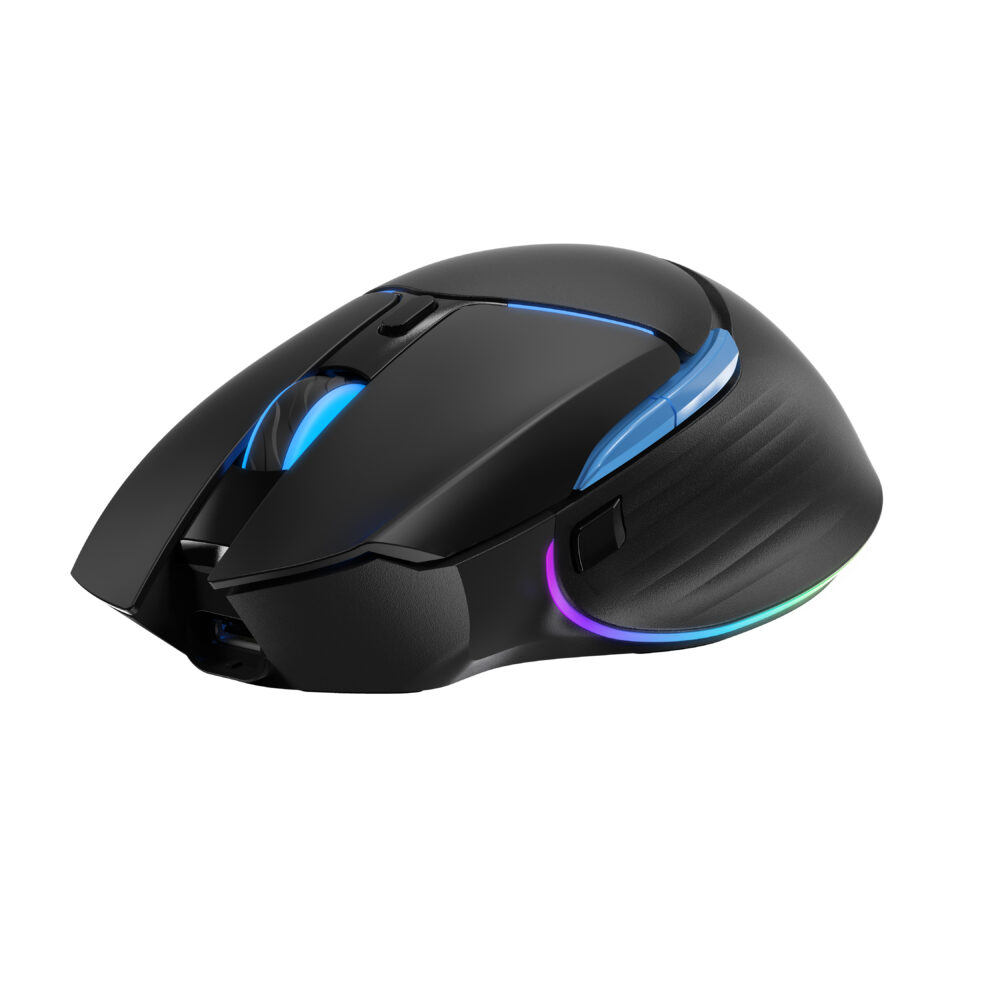
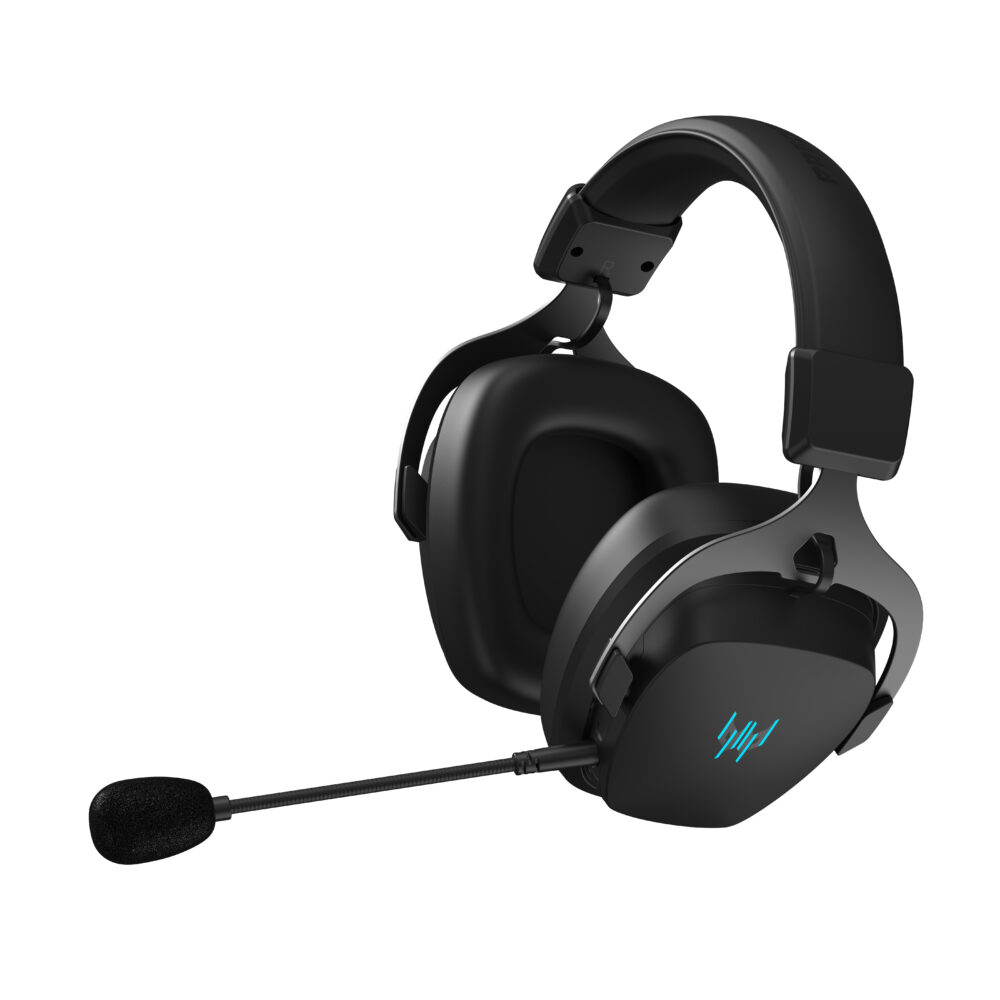
In addition to laptops, Acer introduced two new peripherals. The Predator Galea 570 headset features 50 mm drivers, environmental noise cancellation for voice chat, and triple connectivity options including wireless dongle, Bluetooth, and wired modes, with up to 30 hours of use. The Predator Cestus 530 mouse uses a PixArt PAW3395 sensor rated up to 26,000 DPI, supports multiple connection modes, and is designed for long-term durability.
Availability for the new laptops is staggered across regions throughout 2026, with peripherals arriving earlier in the year. Final specifications and pricing will vary by market, underscoring that these announcements are as much about outlining Acer’s direction as they are about immediate retail launches.
Acer’s 2026 lineup shows a clear shift toward smarter, more balanced gaming machines. The mix of OLED displays, slimmer designs, and on-device AI features makes these feel less like brute-force gaming laptops and more like versatile performance tools built for how people actually use them today.