
At World Health Expo Dubai 2026, Philips is presenting two advanced diagnostic imaging platforms that signal where large-scale medical imaging is heading: a helium-free 3.0T MRI system and a detector-based spectral CT scanner built around artificial intelligence. Shown to regional healthcare leaders and clinicians at World Health Expo Dubai, the technologies focus less on headline claims and more on practical concerns such as workflow efficiency, diagnostic consistency, and operational sustainability.
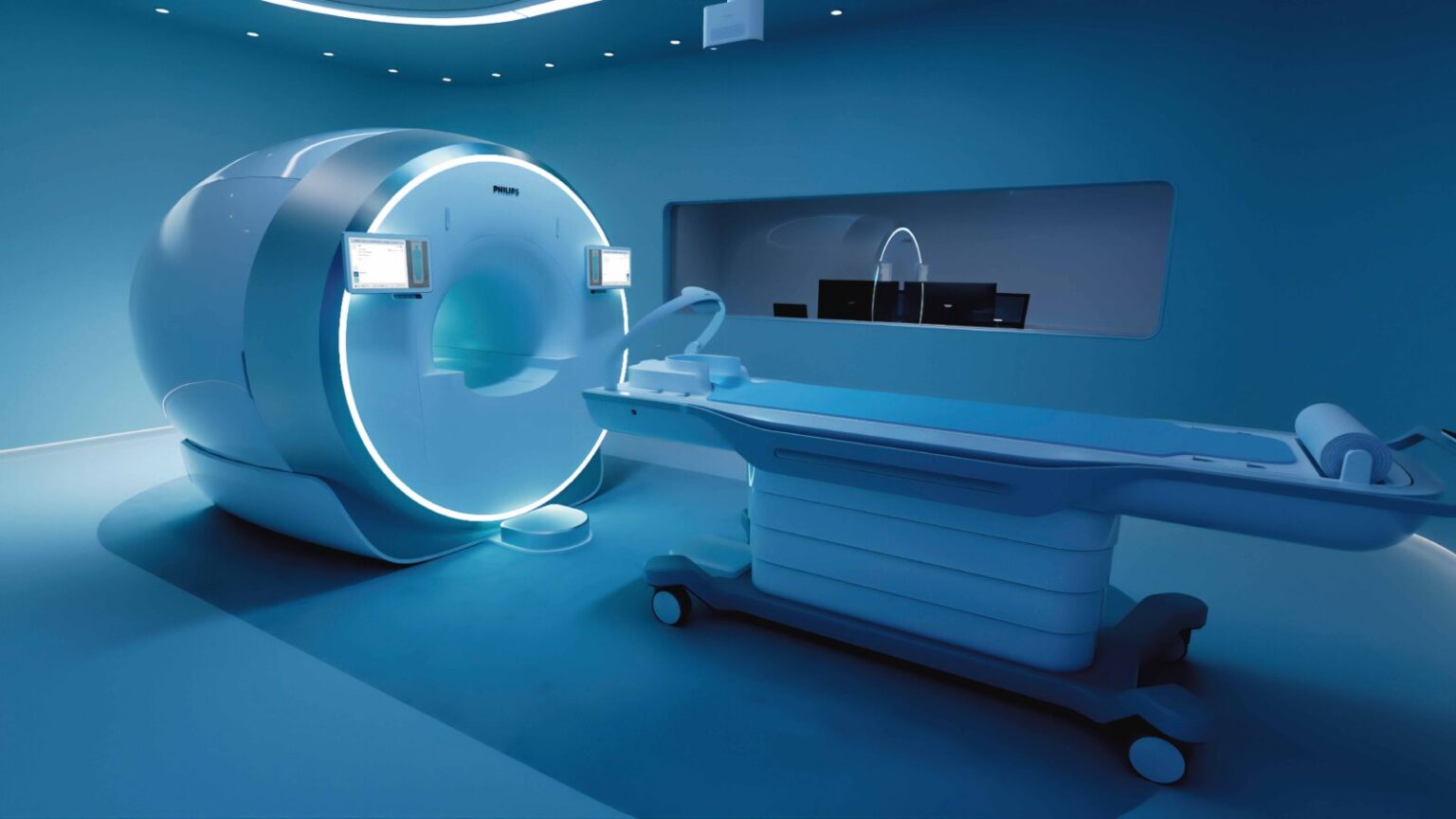
The BlueSeal Horizon MRI platform introduces a helium-free 3.0T magnet, a notable shift in a category traditionally dependent on liquid helium for cooling. High-field 3.0T MRI systems are widely used for complex neurological, vascular, and musculoskeletal imaging, where image resolution and signal clarity are critical. By removing the need for helium refills and external venting infrastructure, the system reduces installation complexity and long-term maintenance requirements, particularly relevant for hospitals operating under space, cost, or supply constraints.
Beyond hardware changes, the platform integrates AI-driven workflow automation intended to reduce manual setup and variability between scans. Automated planning, real-time scan adjustments, and faster image acquisition aim to shorten exam times while maintaining diagnostic detail. For radiology departments facing rising demand and staffing pressure, these features are positioned as tools to improve throughput and consistency rather than as replacements for clinical judgment.
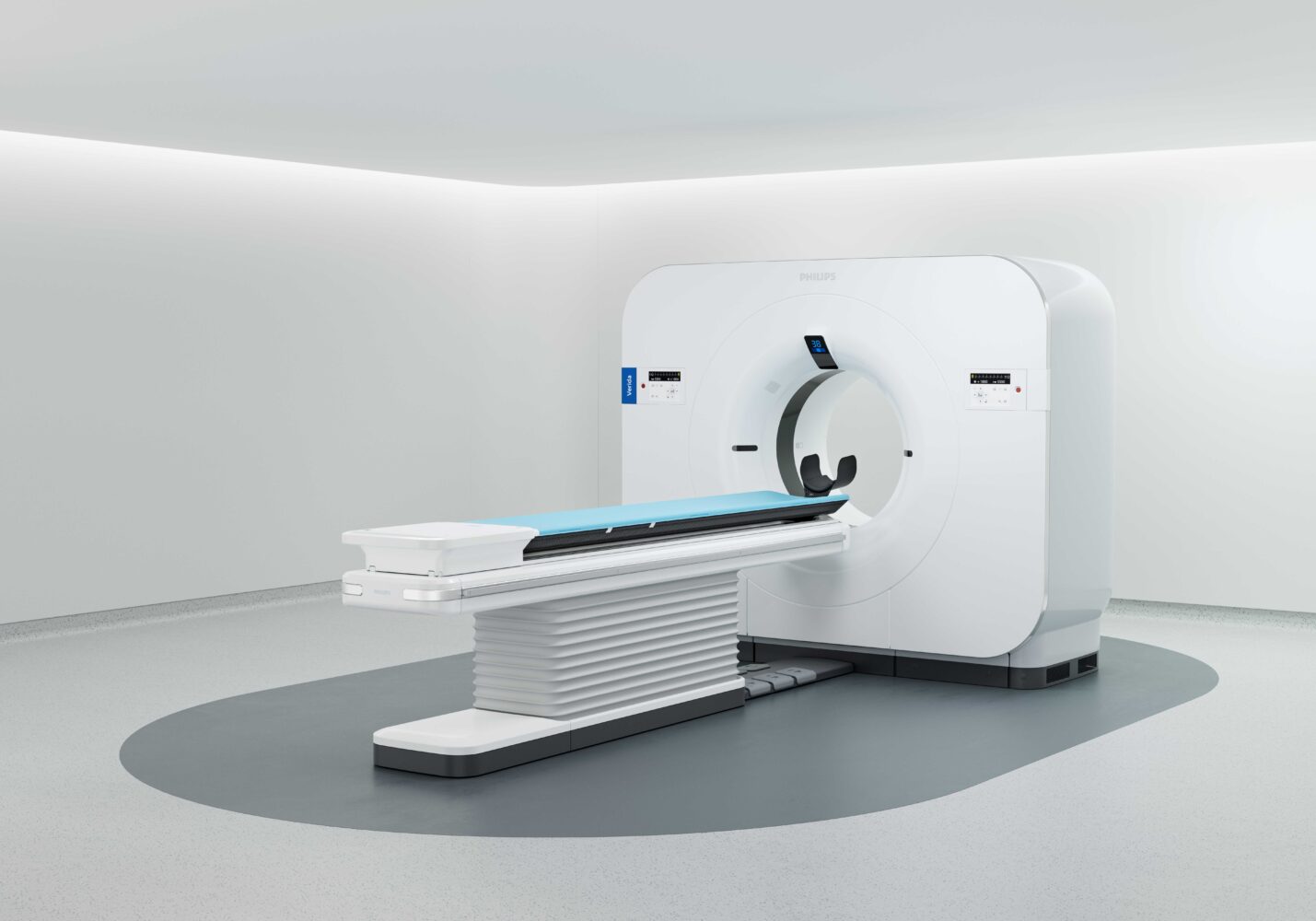
Alongside MRI, Philips is also highlighting its Verida Spectral CT system, described as the first detector-based spectral CT fully powered by AI. Spectral CT technology allows clinicians to distinguish between materials that may appear similar on conventional CT by analyzing how tissues absorb different x-ray energy levels. Philips has been developing detector-based spectral CT for more than a decade, and Verida represents the latest iteration, designed for higher exam volumes and faster reconstruction speeds.
With rapid image reconstruction and AI-supported automation embedded into routine workflows, Verida is intended to support earlier disease characterization while limiting additional scans or protocol complexity. Consistent spectral output across patients and exam types is a central design goal, particularly in high-demand environments where repeat imaging and manual post-processing can slow clinical decision-making.
Together, the two platforms reflect a broader shift in medical imaging toward systems that integrate hardware efficiency with software intelligence. Rather than focusing solely on image quality benchmarks, the emphasis is on how imaging fits into enterprise workflows, staffing realities, and sustainability goals. Their regional debut at WHX Dubai 2026 underscores growing interest in technologies that balance advanced diagnostics with operational practicality across Middle Eastern healthcare systems.