

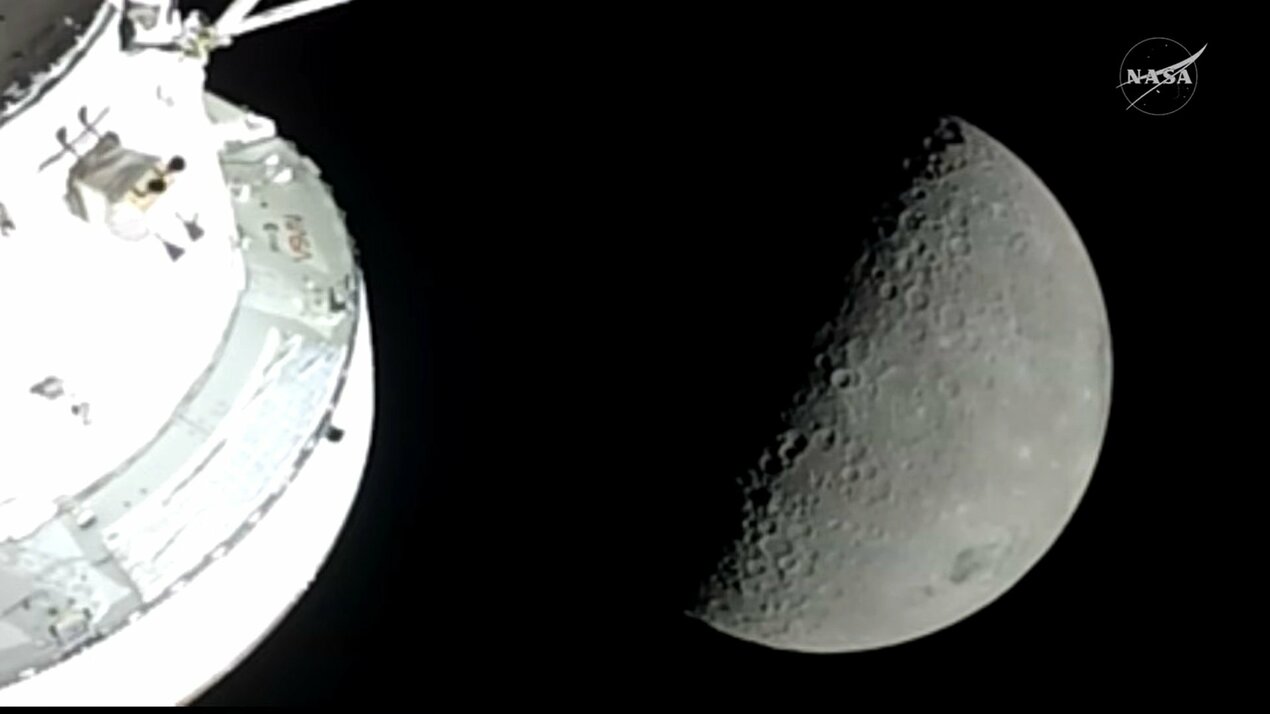
The Artemis II mission has marked a notable milestone in human spaceflight, with its crew traveling farther from Earth than any astronauts before them. During a lunar flyby, the spacecraft reached a maximum distance of 406,771 kilometers from Earth, surpassing the previous record set by Apollo 13 in 1970. The achievement highlights a renewed phase of deep space exploration after decades of limited human activity beyond low Earth orbit.
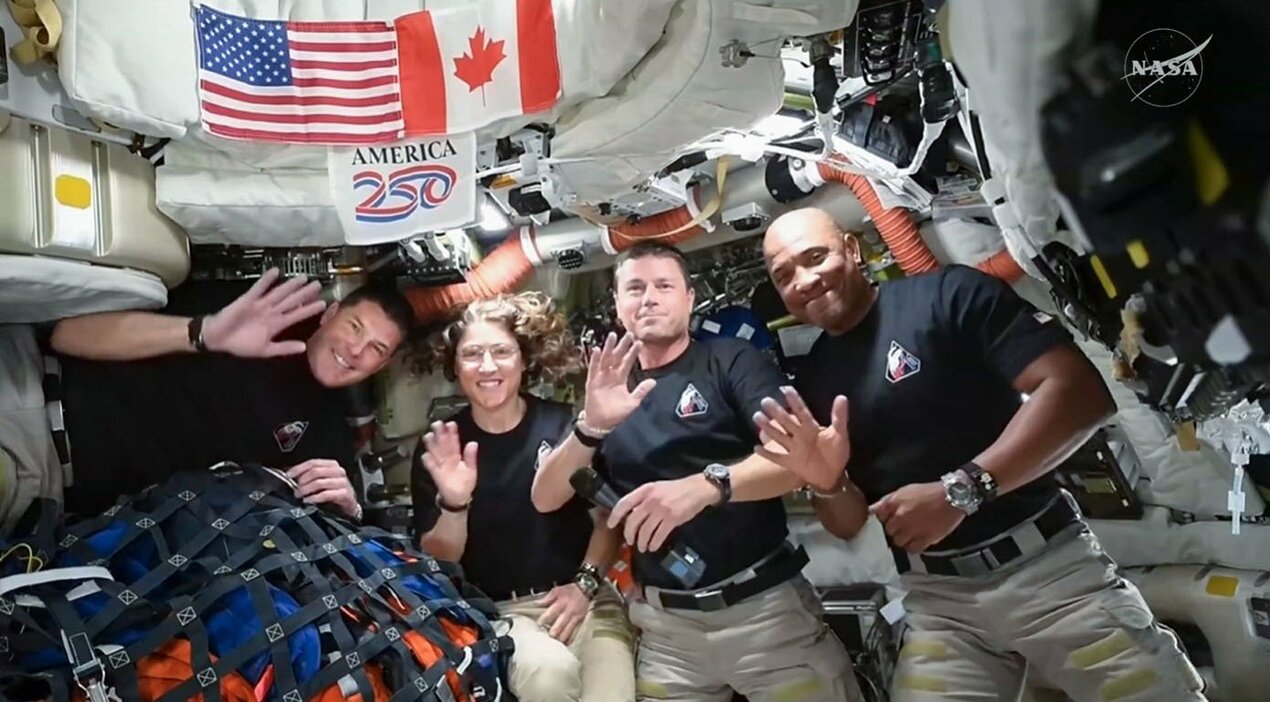
The mission, which spans roughly 10 days, carries four astronauts—three from the United States and one from Canada—on a trajectory that takes them around the far side of the Moon. This portion of the journey remains significant, as it offers a direct view of the lunar hemisphere that is never visible from Earth. While robotic missions have captured images of this region for years, human observation adds a different dimension, both operationally and symbolically.
As the Orion spacecraft passed behind the Moon, it used lunar gravity to adjust its course for the return trip. This maneuver, often referred to as a gravity assist, is a standard but critical technique in space navigation. The crew is expected to spend several days traveling back before splashing down in the Pacific Ocean off the California coast.
Beyond the distance record, the Artemis II mission serves as a test of systems and capabilities intended for future lunar operations. Crew members documented phenomena such as Earthrise and a solar eclipse during the mission, while also conducting visual and camera-based observations of the Moon’s far side terrain. These activities provide both scientific data and operational insights for future missions.
The broader Artemis program aims to establish a sustained human presence on and around the Moon. Unlike the Apollo missions, which were relatively short-term, Artemis is designed with longer-term infrastructure in mind, including potential surface habitats and mobility systems like rovers. The program also reflects a more international approach, with agreements in place to include astronauts from partner countries in upcoming missions.
NASA’s current timeline targets a return to the lunar surface by 2028, which would mark the first human landing since Apollo 17 in 1972. The long-term objective extends beyond the Moon, positioning it as a testing ground for eventual crewed missions to Mars.
While Artemis II is primarily a flyby mission, its role in validating systems, training astronauts, and demonstrating deep space travel capabilities is central to the program’s next phases. The record-setting distance is less about competition with past missions and more about re-establishing human presence in deep space under modern technological and geopolitical conditions.