

TL;DR: A lifeless, linear vampire brawler that forgets the seductive complexity that made the original legendary. Gorgeous in theory, dull in execution.
Vampire: The Masquerade – Bloodlines 2
I still remember the first time I stepped into the grimy, blood-slick alleys of Santa Monica back in 2004. Vampire: The Masquerade – Bloodlines wasn’t just another RPG — it was a cult initiation. That game, buggy as a coffin full of beetles, still managed to feel alive in a way few games ever have. The writing crackled, the quests pulsed with moral rot, and every conversation felt like a dangerous flirtation with the abyss. Troika’s original Bloodlines didn’t just simulate the World of Darkness — it invited us to live there, to taste the hunger, to feel the weight of eternity in our undead bones.
So when Vampire: The Masquerade – Bloodlines 2 was announced, I felt the kind of hope that usually ends in heartbreak. I didn’t just want a sequel — I needed one. Something to recapture that beautiful mix of sleaze, seduction, and philosophical dread. Something that would make me feel like a monster again.
But what I got instead feels like the spiritual equivalent of biting into a plastic vein. It looks like blood, it smells like blood, but it’s all just stage syrup — a blunt-toothed imitation of something that once had real bite.

A Long Night of False Dawns
Before I dig my fangs into the meat of this review, let’s talk about the impossible legacy this game inherited. Bloodlines 2wasn’t born so much as it was resurrected — from the ashes of Troika, through a development hell that saw multiple creative leads, writers, and even entire studios replaced. The final developer, The Chinese Room — known for their narrative-heavy titles like Everybody’s Gone to the Rapture and Dear Esther — isn’t exactly a studio synonymous with crunchy, choice-driven RPGs. When they took over, the fanbase was cautiously optimistic. Maybe, just maybe, they’d bring the kind of poetic melancholy the World of Darkness deserved.
What we got instead feels like a vampire movie directed by someone who’s only ever heard of vampires from a meme thread.
The Corpse of a City That Could Have Been
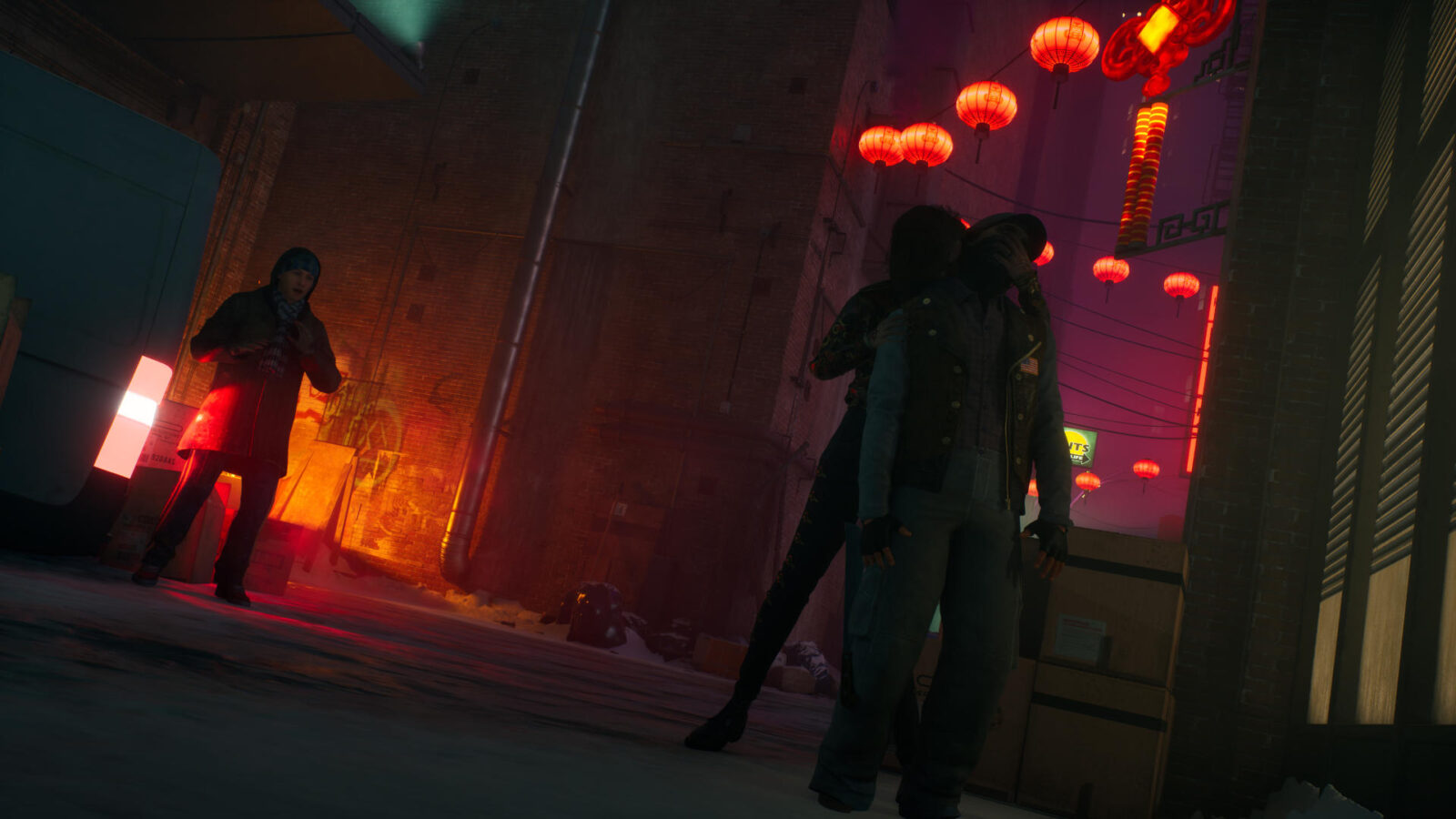
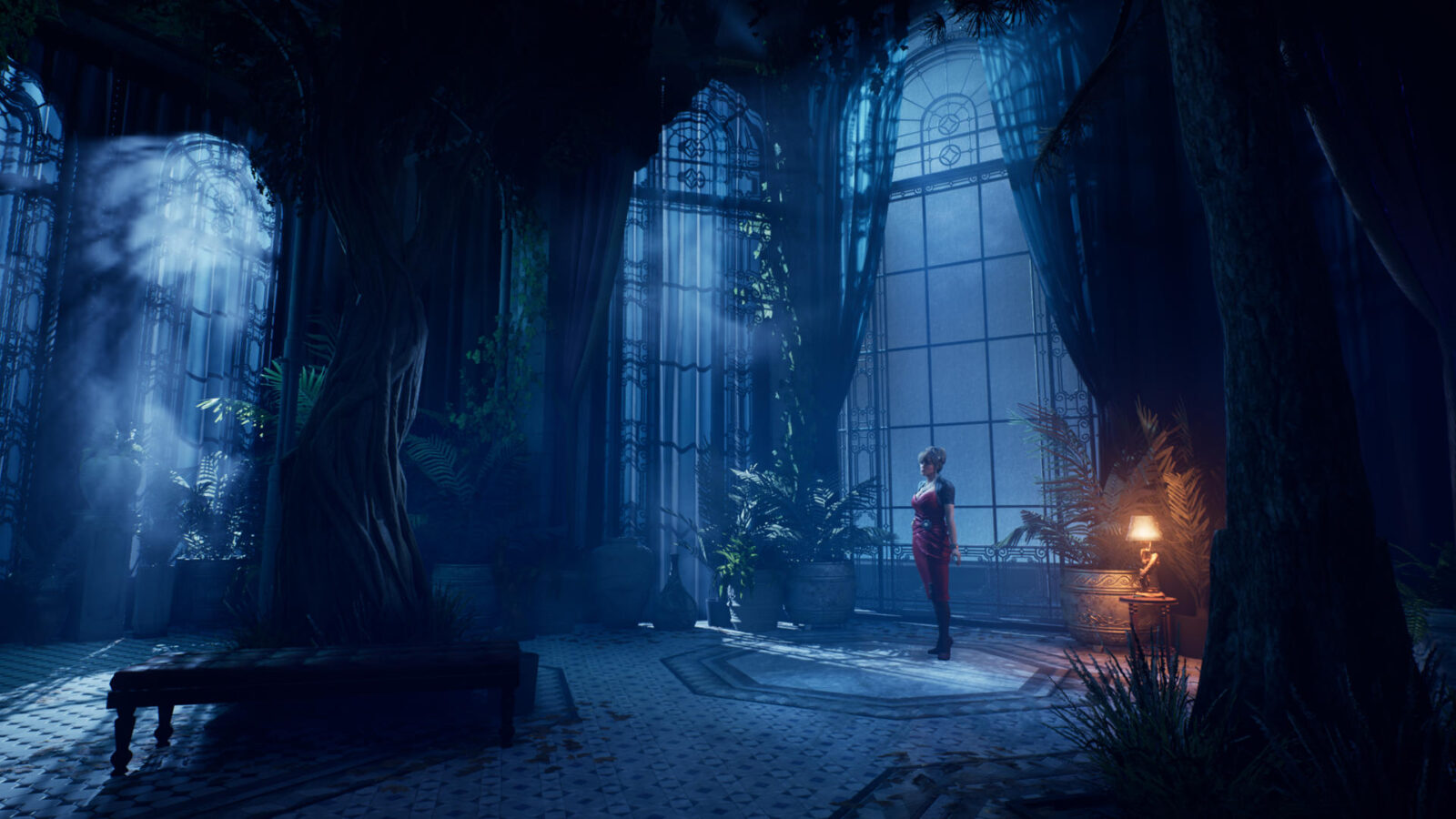
Let’s talk about Seattle — the moody, neon-drenched playground for this undead soap opera. The game opens on a promising note: a sleeping elder vampire, Phyre, awakening from torpor. The snow falls thick, the skyline glimmers, and for a fleeting moment, I thought “Maybe. Maybe this will work.” Then the illusion cracks — literally and metaphorically. The frame rate stutters like a dying heart. The city looks vast but hollow, like an Unreal Engine demo that forgot to install a soul.
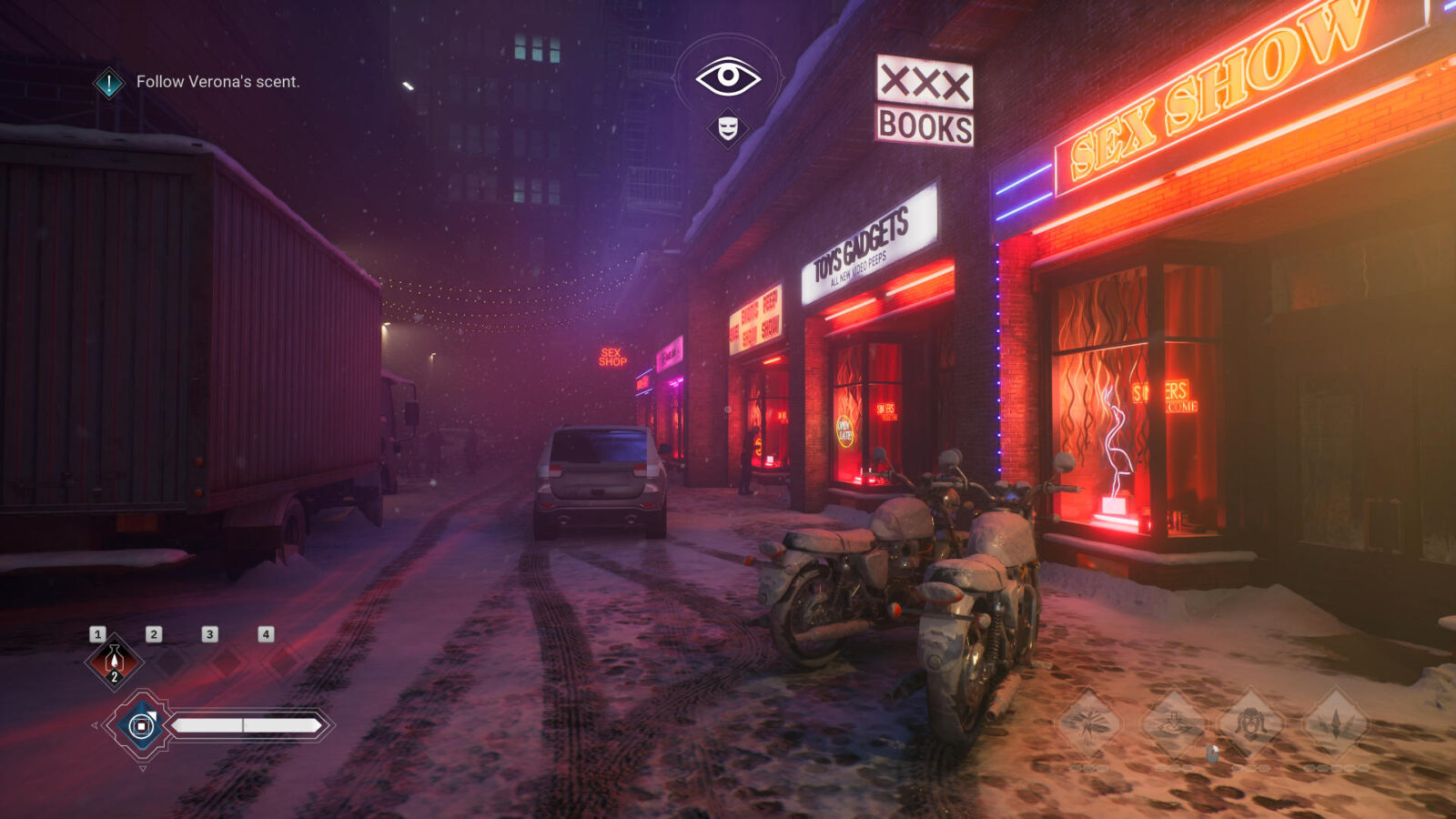
Seattle, in Bloodlines 2, is a ghost town cosplaying as a metropolis. Streets stretch on endlessly, but there’s nothing to doin them. NPCs march back and forth like mourners at a funeral, repeating the same lines of dialogue like they’re stuck in a dialogue loop from 2004. You can’t enter most buildings. There’s no nightlife, no danger, no pulse. For a game about vampires, it’s astonishing how lifeless it feels.
The first Bloodlines gave you entire stories hidden in the creases of its city — a haunted hotel that told a better ghost story than most horror games, a strip club that doubled as a moral test, sewers that whispered about class and decay. This sequel gives you five buildings, a loading screen, and a deep sense of existential dread — not the good kind.
Even the snow — that atmospheric flourish — ends up being the enemy. It hammers performance so hard that even a modern gaming PC gasps for air. On PS5, it’s playable, but not stable. Crashes and frame drops are as constant as the vampire clichés the script keeps feeding you.
If this city were a living thing, it would beg for death.
Of Elders, Ghouls, and the Curse of the Dual Protagonist
You play as Phyre, a centuries-old vampire who awakens after a long slumber to find Seattle’s Camarilla — the vampiric aristocracy — in disarray. There’s a murder mystery, a political power vacuum, and the faint promise of intrigue. The setup is actually solid. But the moment you start playing, that promise dissolves into a linear brawler with dialogue trees that feel more like set dressing than meaningful choices.
Complicating things is Fabien — the detective who shares your head, your memories, and, apparently, your dialogue budget. The idea is that you’ll experience the story through two lenses: Phyre’s modern struggles and Fabien’s noir-inflected flashbacks. On paper, that sounds fascinating — like True Detective meets Interview with the Vampire. In practice, it feels more like switching between two bad radio stations. Fabien’s lines are straight out of a freshman creative writing class’s first attempt at noir. He calls people “dames” and makes jokes about trench coats. It’s like listening to ChatGPT write a 1940s detective novel after being fed a dozen episodes of Twin Peaks.
Phyre, on the other hand, is caught in tonal limbo — too self-serious to be fun, too shallow to be compelling. Her dialogue often undercuts her supposed age and wisdom. Imagine being hundreds of years old and still sounding like you’ve been mainlining CSI: Seattle reruns.
Bloodless Choices and the Death of Roleplay
The tragedy of Bloodlines 2 isn’t that it’s bad — it’s that it forgets what it’s supposed to be. The original Bloodlinesthrived on giving players real agency. You could talk, charm, terrify, seduce, or murder your way through problems, and the world would react accordingly. It wasn’t just about dialogue trees — it was about texture, consequence, and identity.
Here, choices are an illusion. You’ll get little pop-up notifications telling you that an NPC “liked” or “disliked” something you said, but these flags go nowhere. There’s no relationship system, no reputation tracking, no meaningful branching paths. No matter what you do, you’re railroaded toward the same ending. It’s like being given a buffet menu where everything tastes like white bread.
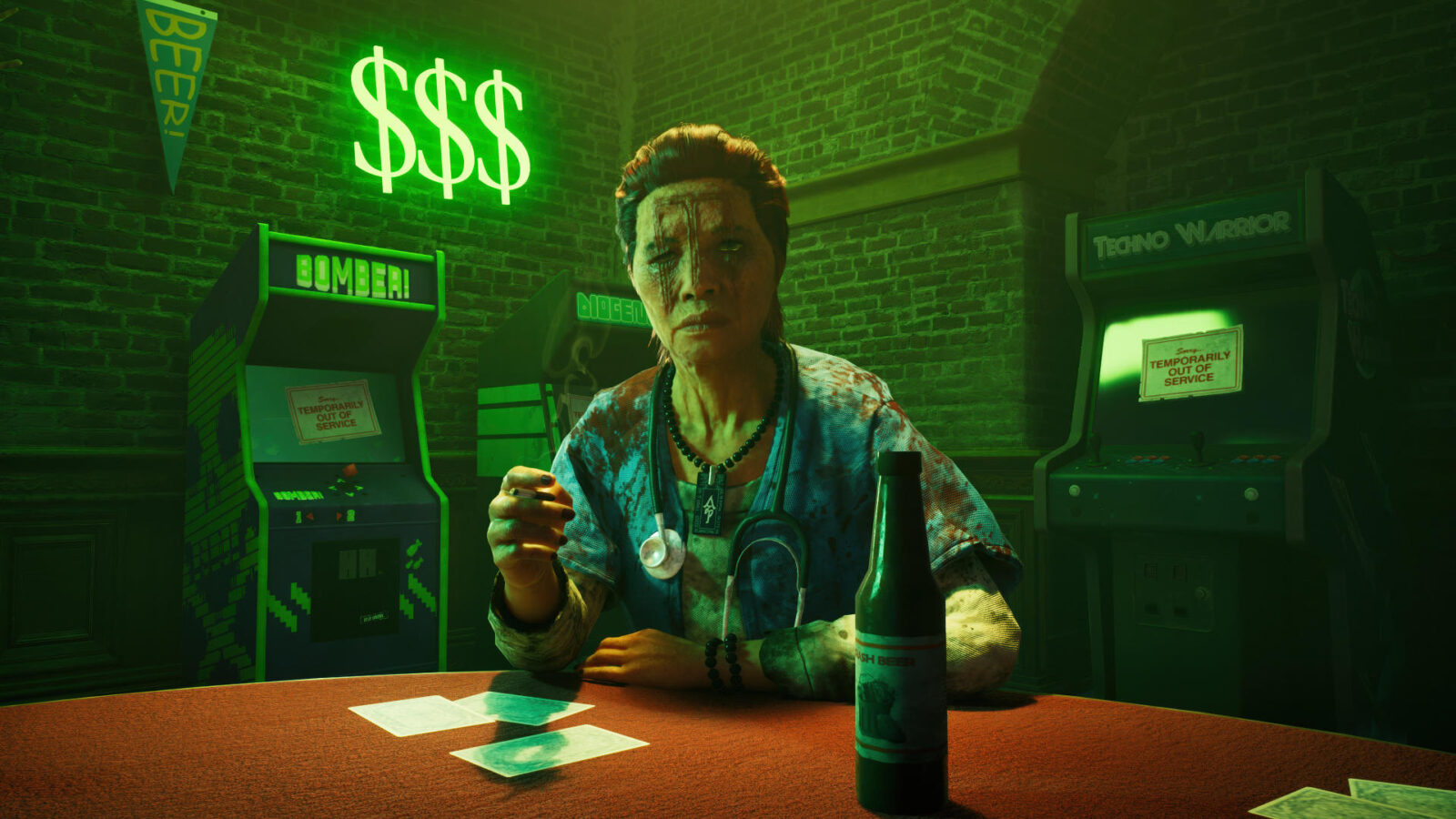
Even romance — the pulsing, forbidden heart of vampire mythology — is laughably bad. Flirtation is a checklist, not a seduction. Succeed enough times and you’ll unlock a “blackout sex scene” that feels like it was animated by someone who’s only ever read about intimacy in a Twilight fan forum. There’s moaning, slapping, and dialogue that makes a high school production of Dracula sound erotic. It’s all teeth, no bite.
The Combat That Killed the Dream
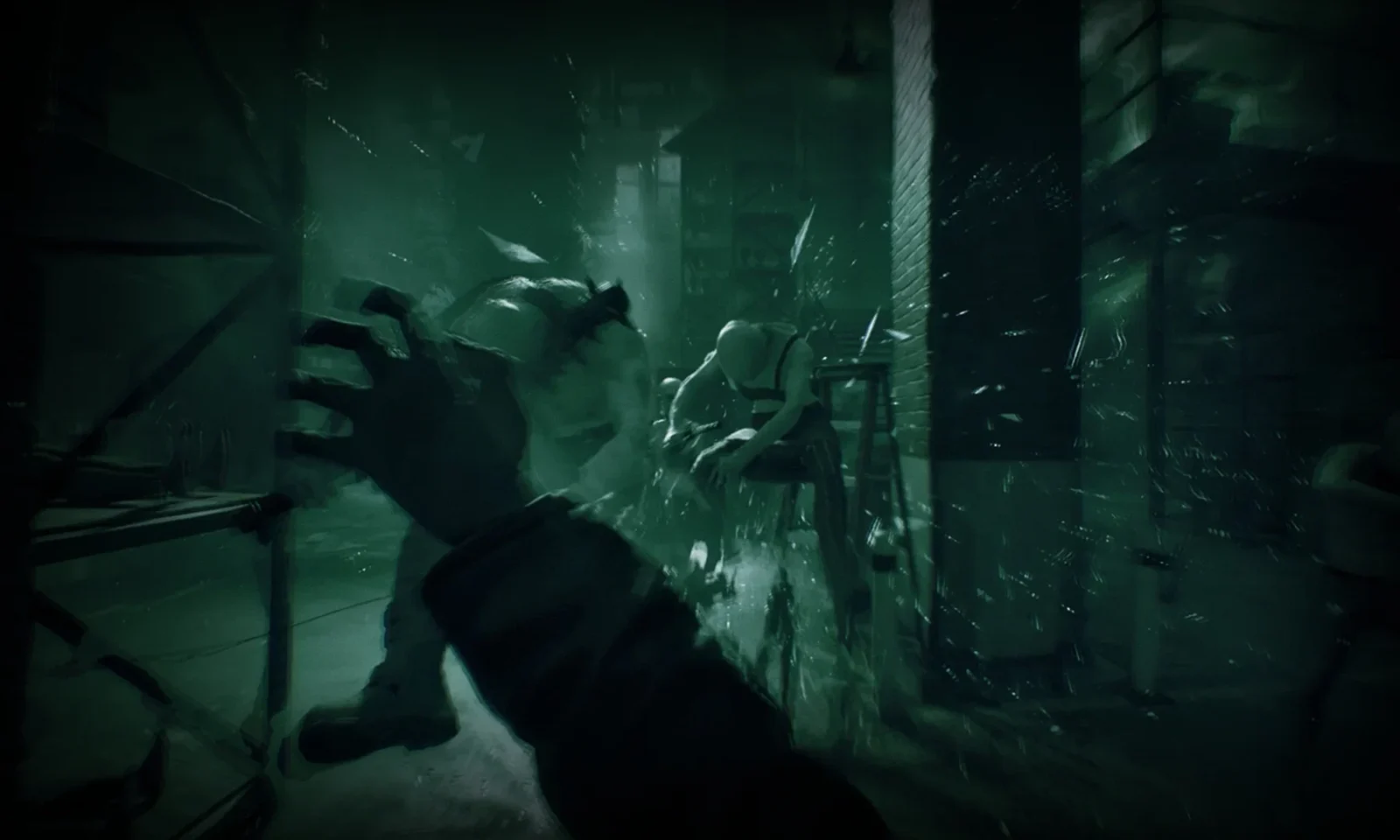
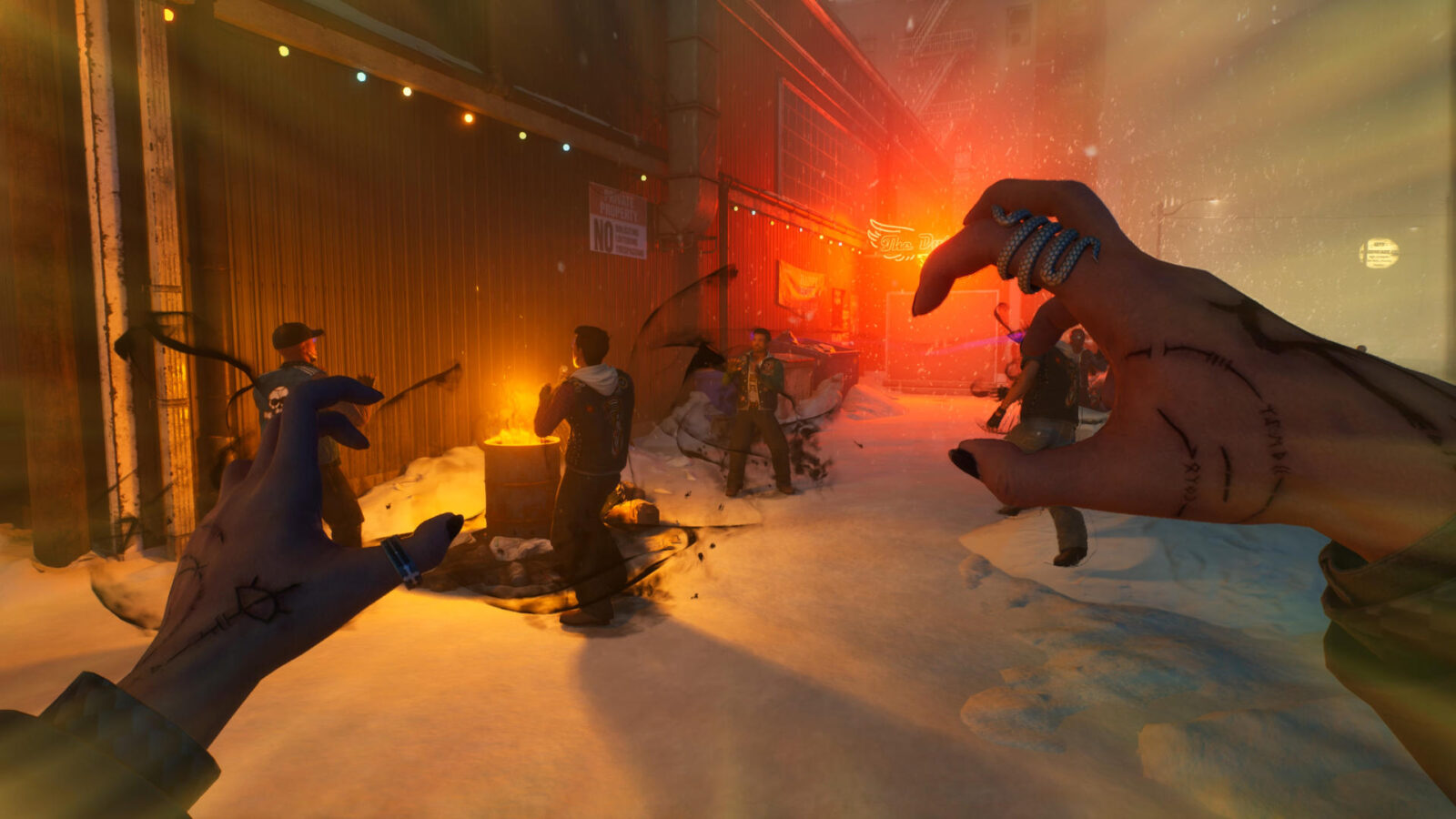
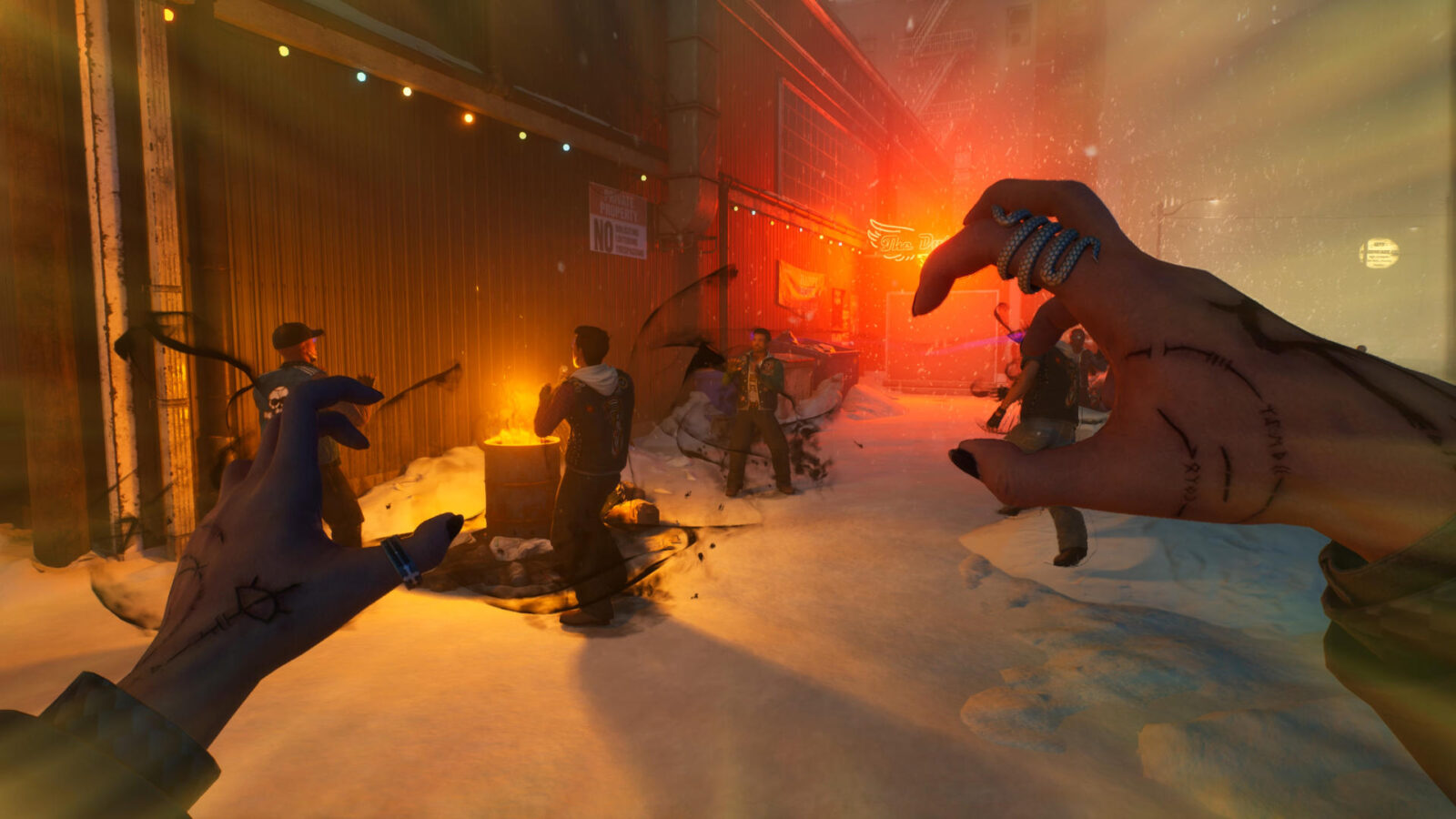
At some point, I realized I wasn’t roleplaying anymore. I was just punching. Over and over. Punch, dash, bite, punch again. For a vampire RPG, this game feels shockingly uninterested in letting you feel like a vampire.
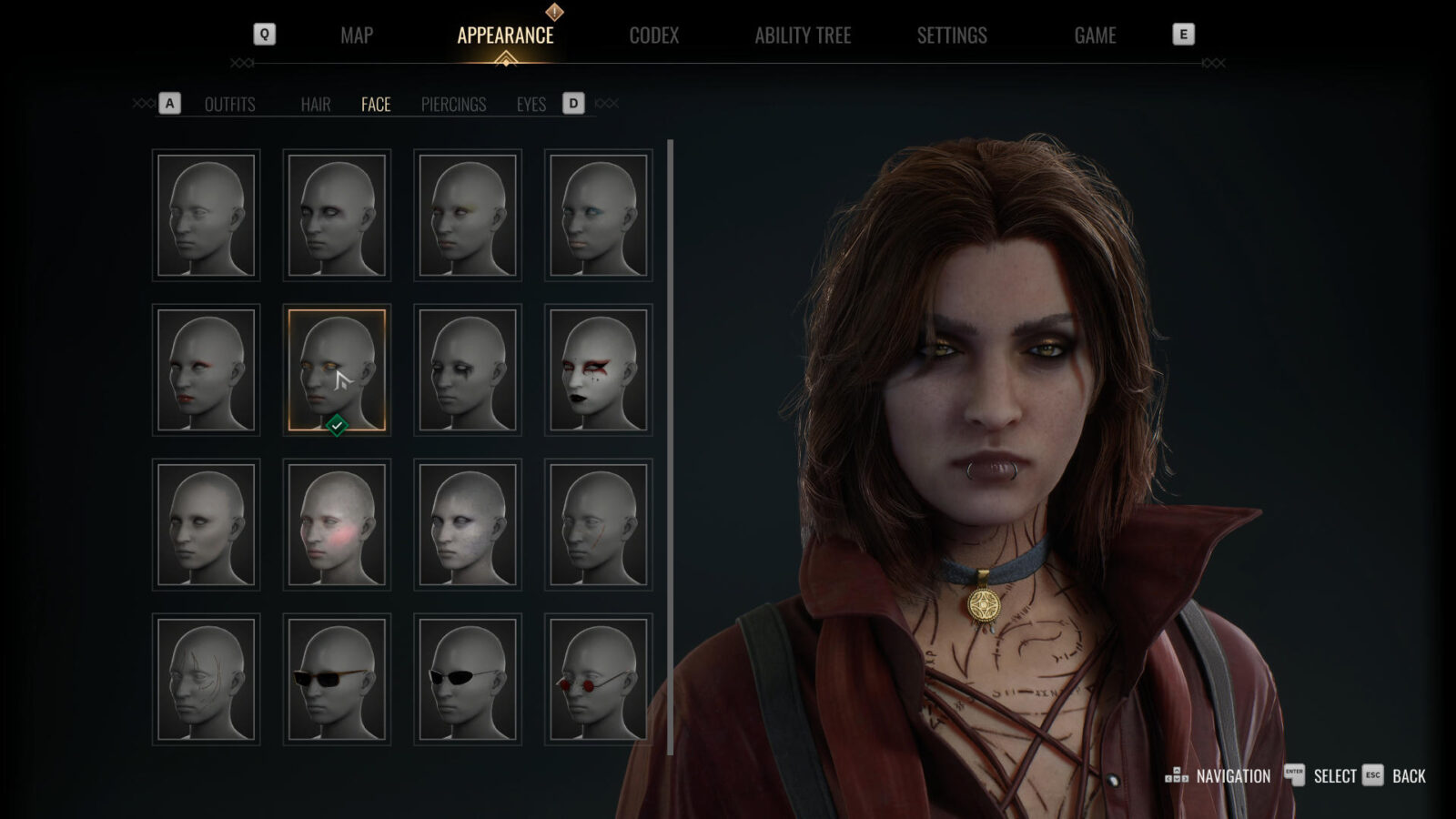
The combat is a barebones brawler loop — repetitive, floaty, and utterly disconnected from the gothic power fantasy that defines the World of Darkness. You’ll get clan powers, sure — telekinesis, charm, domination — but the game never makes them matter. You can only equip four abilities at a time, and since every encounter devolves into button mashing, there’s no incentive to experiment.
Even the upgrade system feels like a cruel joke. You earn experience points, collect blood resonance from NPCs, and unlock new powers — theoretically. In reality, you’ll find that you never need to spend them. I finished the game with dozens of unused points, because combat never demanded more than basic reflexes. It’s like building a gorgeous skill tree just to hang your coat on it.
There’s one moment, late in the game, where you gain a flashy new power that lets you possess enemies. For a minute, it’s thrilling — watching a foe leap off a rooftop under your command. But then you realize it’s just another animation in a rotation of recycled death scenes. The novelty fades, leaving you to wonder what happened to all that potential.
Seattle Nights, Empty Streets
What hurts most isn’t the bugs or the performance issues — it’s the emptiness. Seattle, this supposed den of vampire politics and nocturnal intrigue, feels like an afterthought. There’s no fast travel, no vehicles, and no sense of life. The NPCs are robotic. The advertisements try to be edgy but instead come off like cringe relics from a 2012 DeviantArt page. One billboard even references “Hawk Tuah.” I wish I were kidding.
The city should’ve been a character — instead, it’s a poorly textured stage where nothing happens. Every “side quest” is either “kill this” or “fetch that.” There are no moral dilemmas, no philosophical undercurrents, no whispers of the Masquerade breaking. Even feeding — the most intimate act of vampirism — is stripped of its menace. Sometimes NPCs notice, sometimes they don’t. Sometimes they’ll run through walls to escape. The AI feels like it’s still in torpor.
A Game That Forgot Its Soul
The Chinese Room has always excelled at atmosphere, but Bloodlines 2 feels like it was made by ghosts going through the motions. There’s no cohesive tone. It tries to juggle camp noir, modern cynicism, and gothic tragedy, but drops all three. It wants to be L.A. Noire with fangs, but it ends up more like Yakuza without the karaoke or charm.
The music, at least, tries. There are moments when the score swells, and for a heartbeat, you remember why you cared. You see the faint silhouette of what this game could’ve been — a moody, character-driven descent into the politics of immortality. But then someone says a line about High School Musical, and the spell is broken.
Death by a Thousand Cuts
By the end of my thirty-hour trek through the snowy wasteland of Bloodlines 2, I felt hollow. Not in the vampiric, existential sense — just exhausted. Every design decision feels like a compromise. Every moment of potential is suffocated under clumsy writing, uninspired combat, and a total misunderstanding of what made Bloodlines special.
It’s not unplayable — it’s just unremarkable. And that’s somehow worse. A disaster you can laugh at is still memorable; mediocrity just fades. Bloodlines 2 isn’t a flaming wreck — it’s an empty coffin.
The Eternal Tragedy
I wanted to love this game. I wanted to walk the streets of Seattle like a predator, navigating the fragile balance between secrecy and indulgence. I wanted to lose myself in the web of vampire clans, betrayals, and dark seductions. Instead, I got a walking simulator with punch combos.
Maybe that’s the real tragedy: that after twenty years, the dream of a true Vampire: The Masquerade RPG remains dead. The World of Darkness deserves better than this — and so do we.
Final Verdict:
Vampire: The Masquerade – Bloodlines 2 is a tragic, bloodless echo of a classic. The Chinese Room had ambition, but not the right instincts for this world. Flat writing, shallow gameplay, and an empty city leave this sequel soulless — an undead thing that should’ve stayed buried. For fans of the franchise, it’s not just disappointing; it’s disheartening. The Masquerade remains intact — but only because no one will talk about this one for long.