
TL;DR: Old-school horror heads, rejoice: Tormented Souls 2 is an atmospheric, lovingly crafted nightmare that’s as frustrating as it is fascinating. Expect gorgeous environments, brain-twisting puzzles, janky combat, and a vibe straight out of the PS2 era—in both the best and worst ways.
Tormented Souls 2
When I first booted up Tormented Souls 2, I half-expected my console to start making the same guttural whirr my old PlayStation 2 used to make, that mechanical purr before it decided whether or not the disc was readable. That’s how instantly retro the vibe felt. Not in a forced, ironic, indie way—no, this game breathes in the dust of the old-school horror corridors it’s trying to emulate. Within minutes, I could practically smell the virtual mold. And weirdly, I was home.
It’s a rare thing when a sequel manages to make you nostalgic for the flaws of its genre. Tormented Souls 2 does exactly that—it’s not trying to modernize or polish the rough edges of 90s and early 2000s survival horror. It’s here to drag them, wailing and twitching, into the present. Tank controls, fixed camera angles, obtuse puzzles, combat that feels like wrestling with a shopping trolley—all of it. And yet, beneath all the jank and candle-lit gloom, there’s an earnestness that feels almost romantic. This is a developer in love with the past, and instead of merely imitating it, they’re living it.
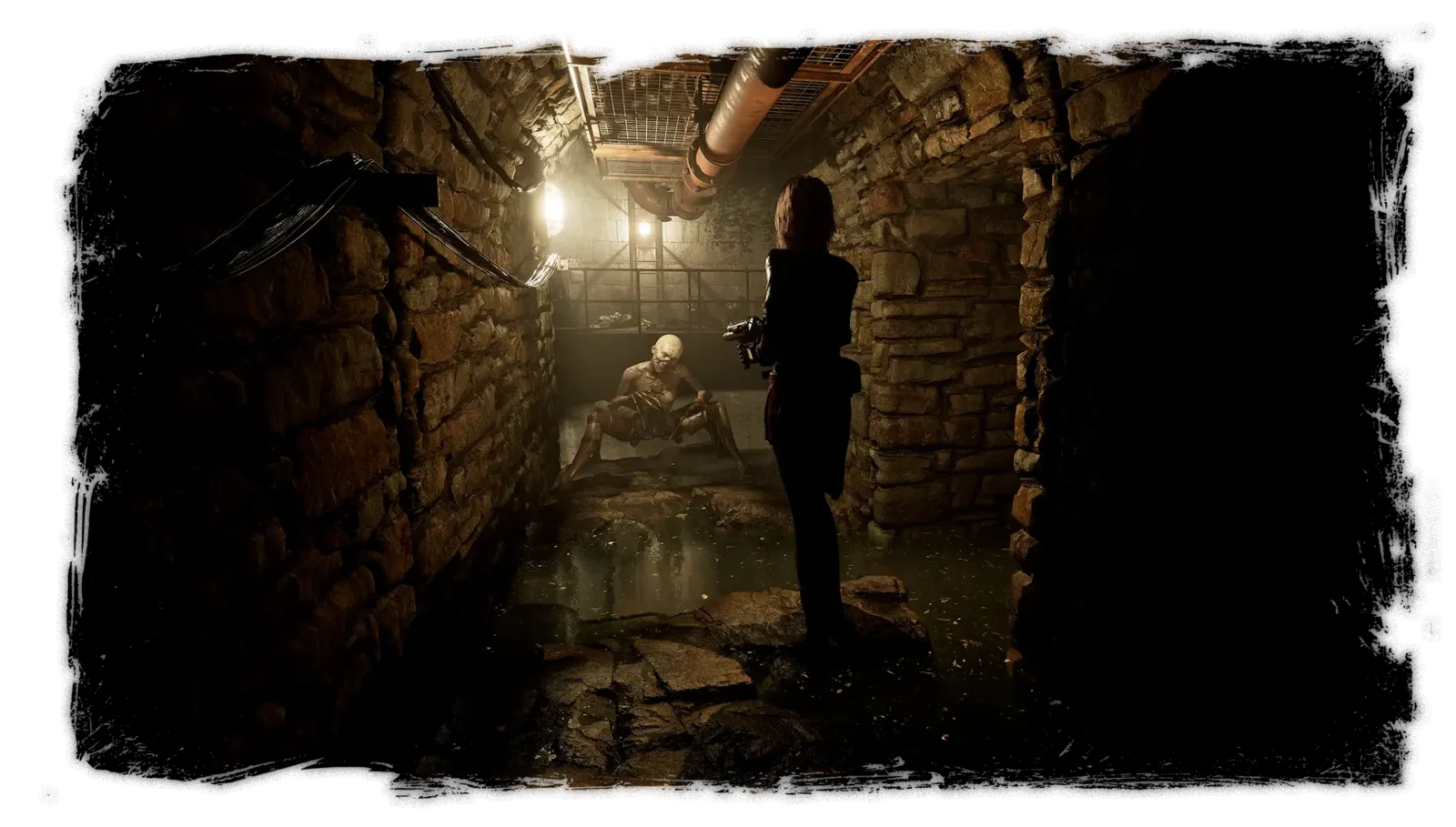
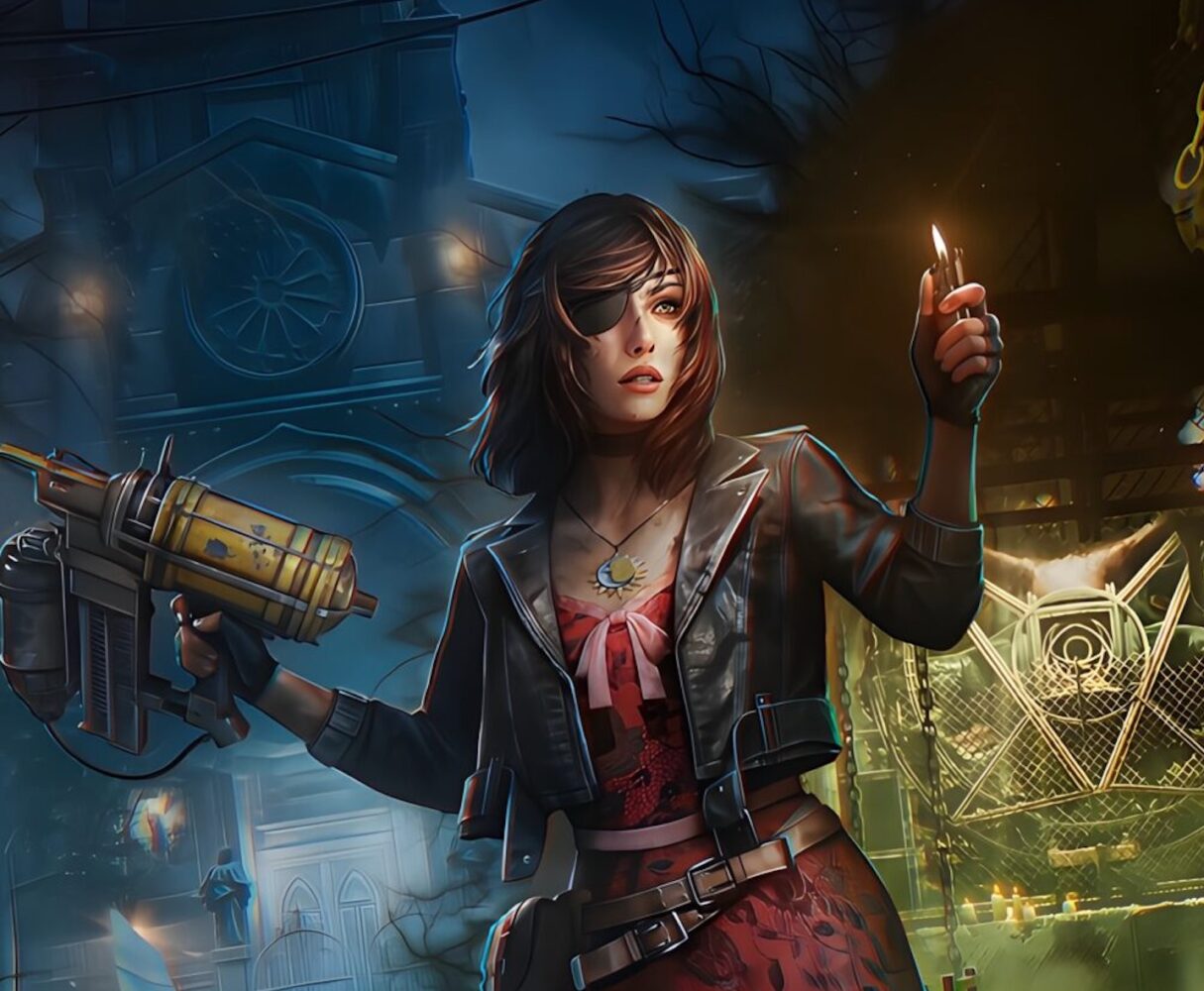
You play again as Caroline Walker, the mysterious heroine from the first Tormented Souls. This time, she’s traded the spooky mansion for an equally cursed little town called Villa Hess. She’s looking for her sister, Anna, who’s either missing, hallucinating, possessed, or all three. The plot is—how shall I put this?—delightfully nonsensical. It’s like a half-remembered dream stitched together with the greatest hits of the survival horror genre. There are cults. There are nuns. There’s an abandoned convent with blood on the altar and whispers in the halls. There’s enough gothic melodrama to fill a library of terrible paperbacks, and I mean that as a compliment.
From the first moment I stepped into Villa Hess, I knew this game had its claws in me. The environments are genuinely breathtaking. Every frame looks like a haunted oil painting—rain-soaked cobblestones glistening in candlelight, twisted statues half-submerged in the mist, corridors lined with relics of forgotten rituals. I often found myself just standing still, rotating the camera to drink in the details. The art direction is decadent, obsessed with decay in a way that reminds me of Silent Hill 2 at its most mournful.
But atmosphere can only get you so far when your character moves like she’s controlling a forklift. I’ll admit: tank controls have a nostalgic charm, but here they sometimes feel like a deliberate act of cruelty. There’s a kind of tragic comedy in trying to navigate tight hallways while a bladed monstrosity crawls toward you. The fixed camera angles, too, are gorgeous but sadistic. I lost count of the times the camera cut away mid-turn, flipping my direction entirely, sending Caroline lunging straight into danger. There’s immersion-breaking, and then there’s camera-breaking.
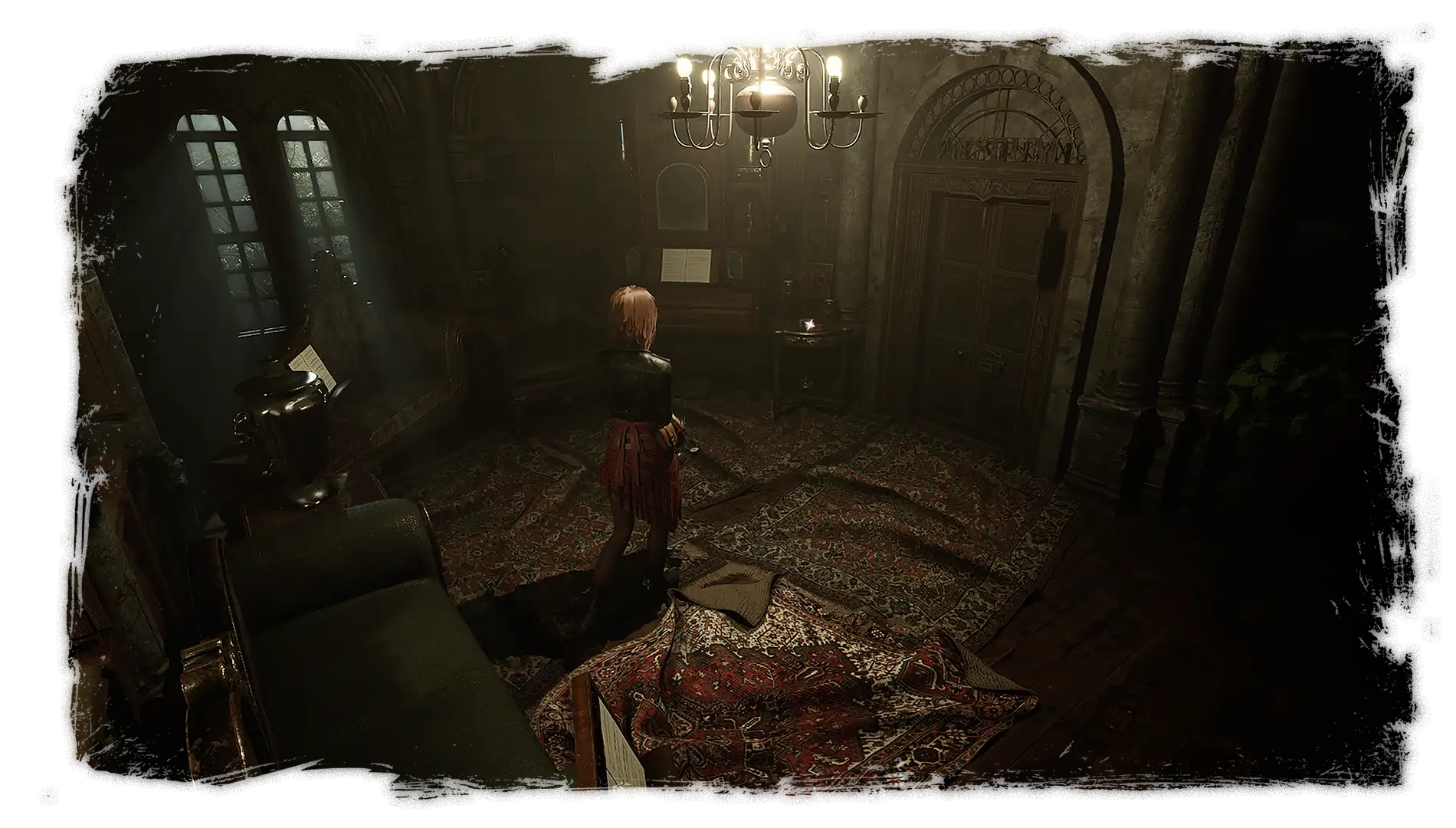
Still, I can’t be too harsh, because part of me loves this exact sort of nonsense. It’s the same masochistic joy that made the original Resident Evil games iconic—the feeling that you’re surviving despite the controls, not because of them. Every moment of frustration becomes a small badge of honor, a shared pain among those who grew up saving ink ribbons and praying for typewriters.
Caroline’s fear of the dark adds another wrinkle to the experience. She carries a lighter, her only reliable source of light, and if she lingers in complete darkness for too long, panic consumes her. She’ll freeze, hyperventilate, and eventually die. It’s a mechanic that, on paper, sounds gimmicky, but in execution, it’s pure genius. You’re constantly making tactical choices—do I put out my lighter to free up a hand for combat, or risk fumbling in the shadows? The result is an atmosphere so thick it feels suffocating. The game weaponizes the unknown in a way few modern horror titles do.
And oh, the puzzles. Tormented Souls 2 doesn’t just give you puzzles—it gives you cryptic, deranged riddles that feel like they were designed by a Victorian ghost who hates you. Every locked door and ornate box demands the kind of lateral thinking that’s both maddening and rewarding. There were times I felt like a genius, piecing together a riddle that involved decoding an old religious manuscript or combining random trinkets in my inventory to form some eldritch key. And then there were times I wanted to throw my controller across the room because I’d missed a single, microscopic clue tucked away in a random bookshelf. But that’s the thrill of classic survival horror—you’re not just solving puzzles; you’re deciphering the language of madness.
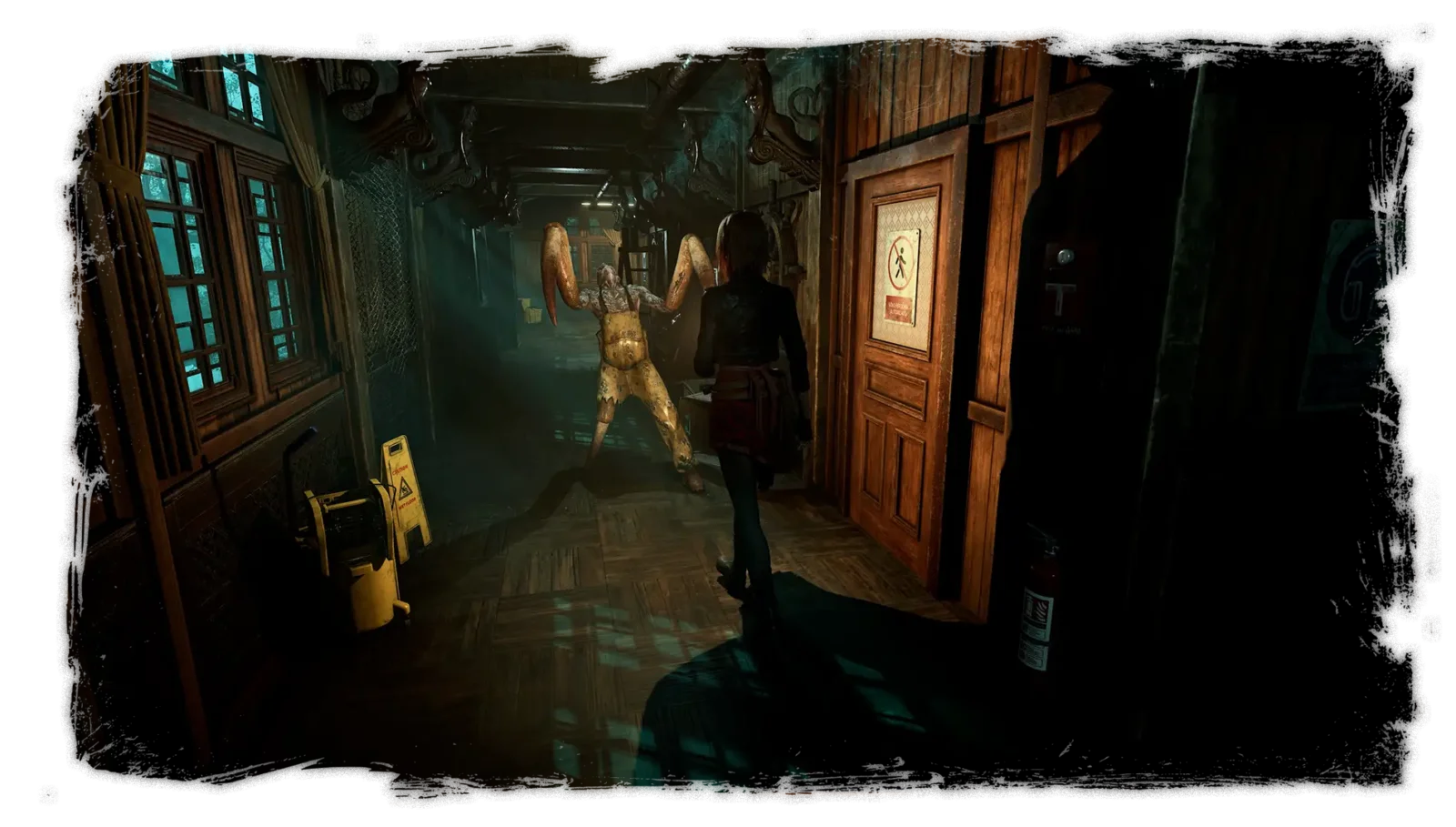
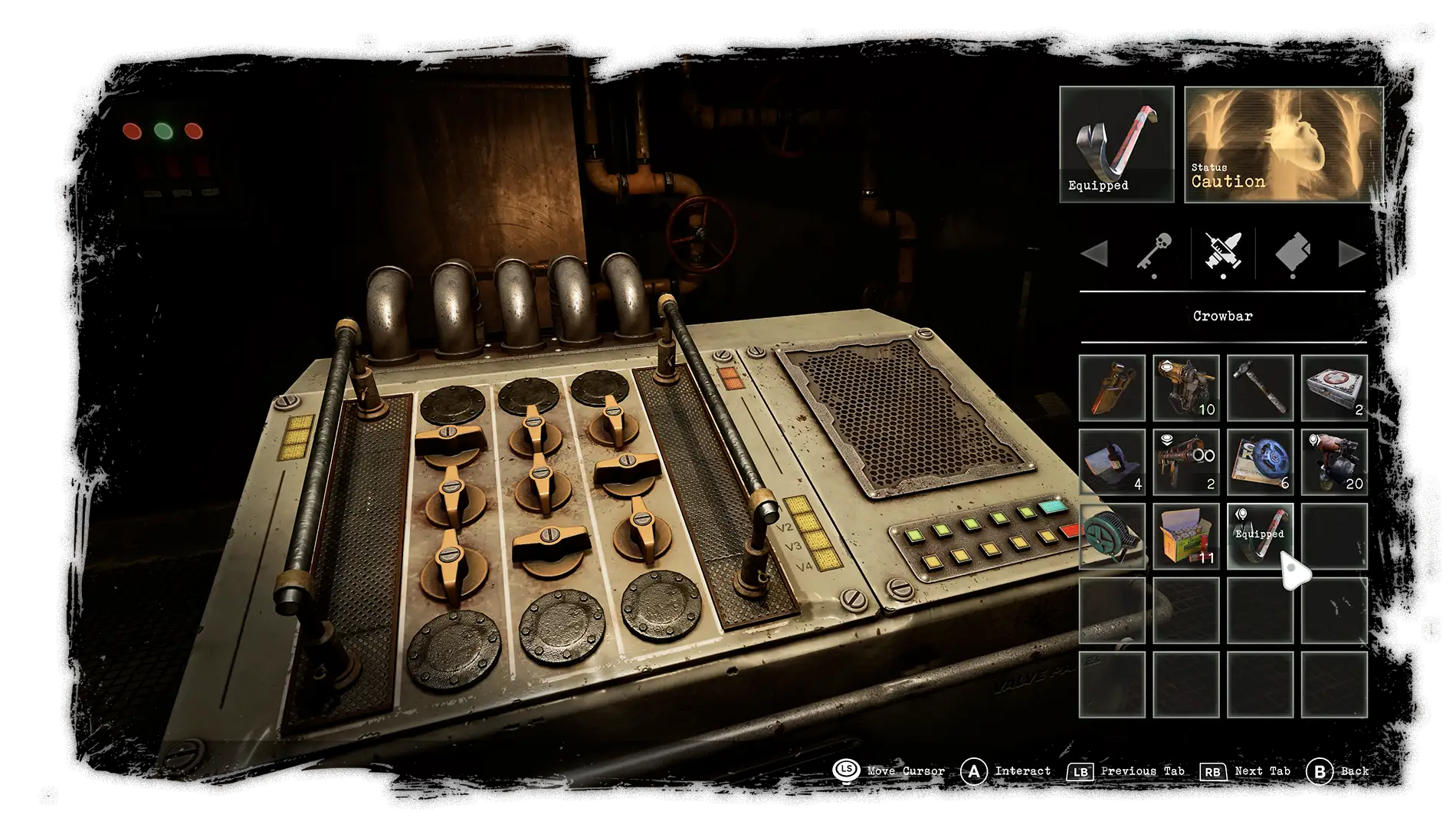
The combat, unfortunately, isn’t quite as graceful. Weapons range from the delightfully absurd (a nail gun) to the predictably powerful (a shotgun), but every encounter feels like a clunky brawl with the game’s engine. I get that survival horror thrives on vulnerability—on making the player feel small—but sometimes the combat crosses the line into pure frustration. It doesn’t help that Caroline’s movements feel weighty and deliberate to a fault. There’s tension in slow controls when they’re purposeful; there’s irritation when they’re inconsistent. And during boss fights, that distinction becomes glaring.
Case in point: the infamous giant nun boss. She’s one of those fights that’s equal parts terrifying and ridiculous—a hulking figure wielding a steel cross, stomping through a chapel like a nightmare from an exorcism gone wrong. The problem is, the camera seems to be as possessed as she is. Three different angles in the same arena meant I was constantly sprinting in the wrong direction. I didn’t die because of poor reflexes; I died because the game’s camera system decided it hated me. The shotgun, too, feels woefully underpowered, as if Caroline loaded it with polite requests instead of shells. And yet… I kind of love how unpolished it all is. It feels authentic to the era it’s channeling.
When the chaos subsides, though, and you’re left wandering the hushed ruins of Villa Hess, Tormented Souls 2transforms. The world design is quietly brilliant. Every area connects to the next in satisfying, looping ways that reward exploration. The backtracking—while tedious to some—is woven into the DNA of the experience. Unlocking a shortcut to a previously inaccessible area feels like uncovering a secret passage in your own home. There’s a rhythm to it, a patient ebb and flow that modern horror games often sacrifice for cinematic momentum.
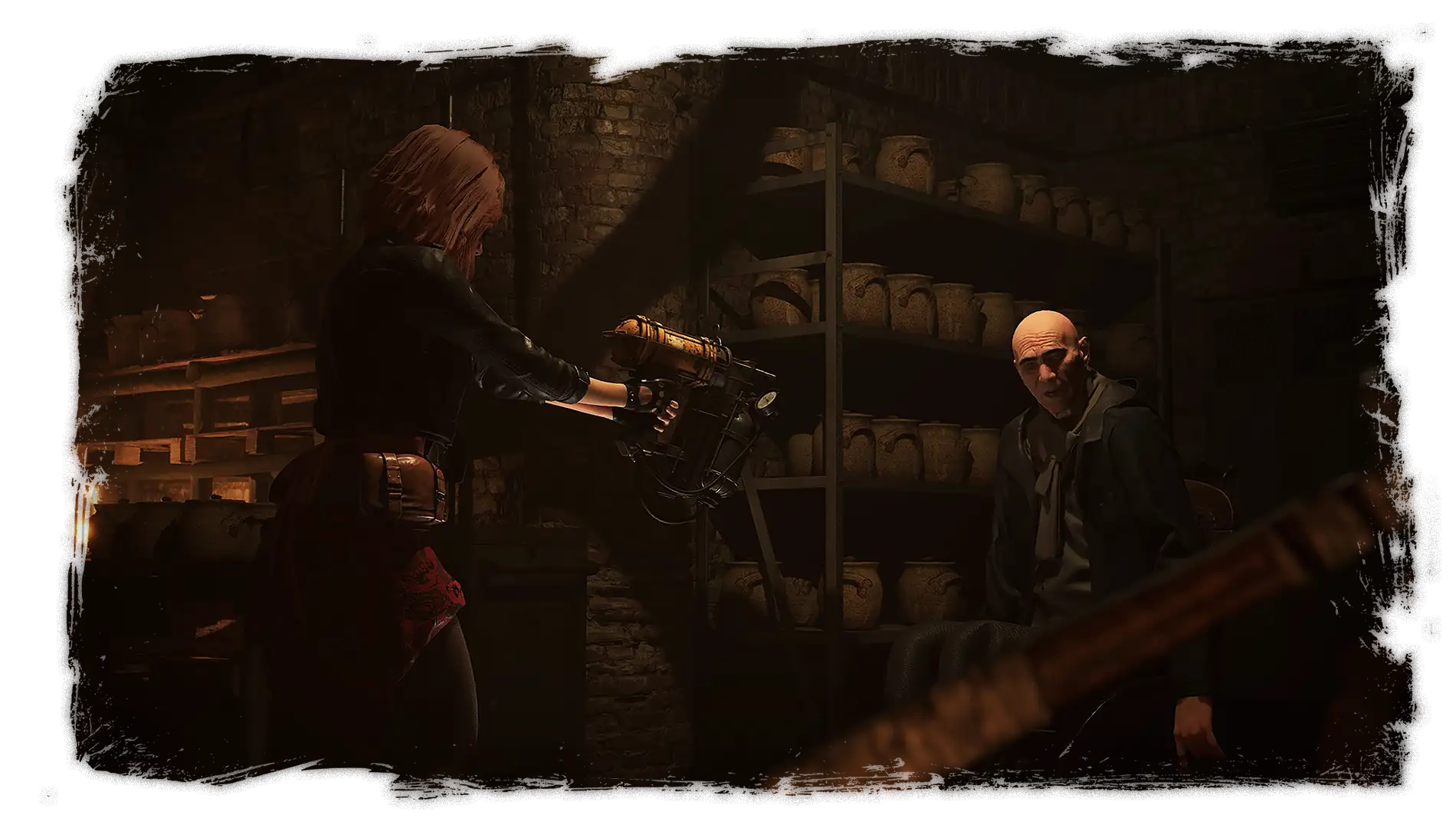
The sound design deserves its own standing ovation. The way the game layers ambient noise is masterful—the creak of wooden beams, distant whispers, the echo of your own footsteps. It’s an orchestra of dread, and the score that accompanies it swells just enough to unnerve without ever screaming for attention. More than once, I caught myself holding my breath, anticipating a scare that never came. That’s the sign of great horror—not what it shows, but what it makes you imagine.
But for every moment of tension that pays off, there’s an equal and opposite moment of exasperation. Inventory management, for instance, remains an exercise in masochism. Limited space means constant juggling of items, and while that’s thematically fitting, it feels a bit archaic. Likewise, the manual save system is both a blessing and a curse. I love the deliberate pacing it enforces, but there’s nothing quite like losing half an hour of progress because you forgot to find a recording tape. It’s nostalgia weaponized against convenience.
Narratively, Tormented Souls 2 dances between absurdity and poignancy. Caroline’s journey isn’t so much a coherent story as it is a fever dream of guilt, religion, and family trauma. There are moments of genuine emotion buried beneath the camp, flashes of humanity that remind you why the genre endures. One minute you’re rolling your eyes at the dialogue; the next, you’re quietly moved by a tragic revelation scrawled in blood on the wall. It’s that tonal whiplash—between B-movie schlock and gothic sincerity—that defines the game’s charm.
In the end, I don’t think Tormented Souls 2 wants to scare you as much as it wants to remind you what it felt like to be scared back then—to feel lost in a world that didn’t bend to your will, where progress felt earned, not handed to you. It’s not perfect. Hell, it’s barely functional in places. But it’s also heartfelt, beautiful, and strangely comforting in its chaos.
Playing Tormented Souls 2 is like visiting an old, haunted house you once lived in. The wallpaper’s peeling, the floorboards groan, and the ghosts are still there, waiting. You know every creak, every scare, every frustration—and you love it anyway.
Verdict
Tormented Souls 2 is a love letter written in blood and candlelight to the PlayStation-era of survival horror. It’s clunky, beautiful, maddening, and sincere—a game that genuinely adores the classics even as it resurrects their ghosts, warts and all. For every camera angle that betrays you, there’s a puzzle that makes you feel like a genius; for every stiff movement, there’s an atmosphere thick enough to drown in. It’s not modern horror, not really—but that’s its charm. If you crave that specific blend of dread and nostalgia, this is a pilgrimage worth taking, even if you trip over a few corpses along the way.