
TL;DR: Rewatch these episodes and you’ll go into The Mandalorian and Grogu emotionally calibrated, lore-aware, and ready to cry about space dads again. Skip them, and you’re doing yourself a disservice worthy of a stern lecture from a Jedi ghost.
The Mandalorian
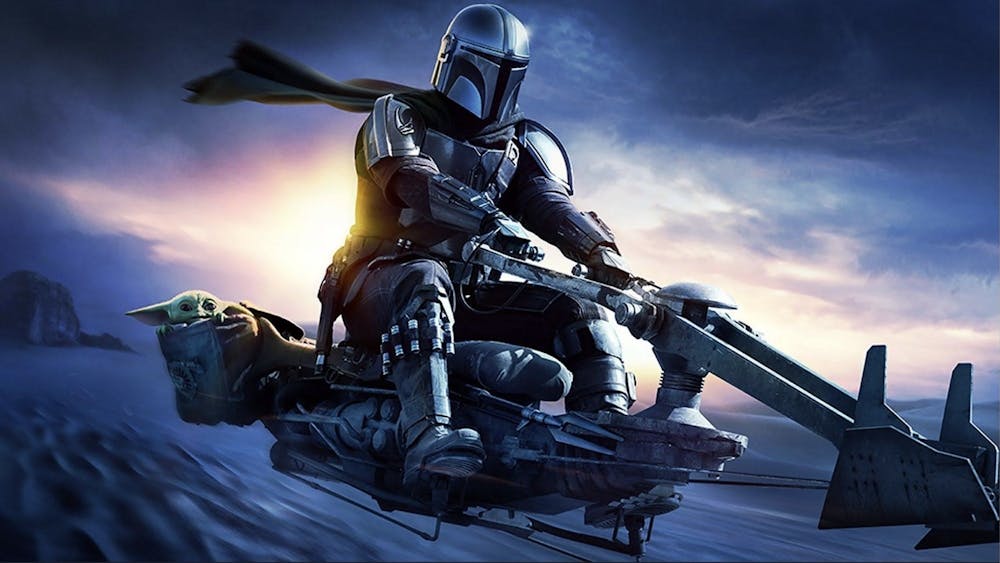
I’ve rewatched The Mandalorian more times than I’m willing to admit to my Disney+ algorithm. Some people rewatch The Office for comfort. I rewatch a helmeted space dad committing morally questionable acts for a child who eats frogs like popcorn. We all cope in different ways.
And now, with The Mandalorian and Grogu gearing up to blast Din Djarin and his aggressively marketable green son onto the big screen, it’s officially time for a pre-movie Mandalorian rewatch. Not a full-series marathon (unless you’ve booked time off work and warned your loved ones), but a targeted, lore-rich, emotionally devastating refresher run.
These are the episodes I’m absolutely rewatching before the movie hits theaters. Not just because they’re great television, but because they define who Mando and Grogu are, where they’ve been, and why the movie has the potential to either rule extremely hard or emotionally ruin us in IMAX.
Lock the blast doors. Charge the jetpack. This is the way.
Why a Mandalorian rewatch actually matters before the movie
Let’s get this out of the way: The Mandalorian is not just “that Star Wars show with Baby Yoda.” It’s the spine of modern Star Wars on screen. It rebuilt audience trust after the sequel trilogy discourse wars. It fused Westerns, samurai cinema, and pulp sci-fi into something that felt both retro and fresh. And most importantly, it told a simple story about a man learning to care again.
The movie isn’t starting from zero. It’s inheriting three seasons of character development, multiple spinoffs, and one extremely confusing decision to resolve major emotional arcs inside The Book of Boba Fett like it was a DLC pack.
So if you want the movie to hit the way it’s clearly designed to hit, these are the episodes you need burned back into your brain.
Chapter 1: The Mandalorian
Season 1, Episode 1
This episode is Star Wars confidence personified.
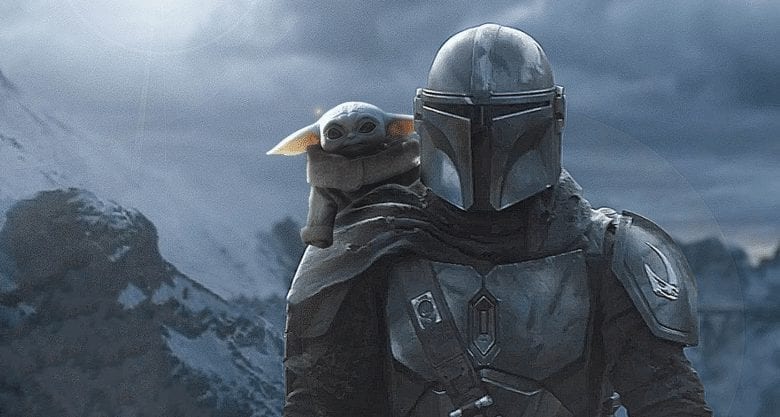
From the opening cantina brawl to the ice-cold carbonite bounty haul to that final reveal, this is one of the best pilot episodes of the streaming era. Full stop. It announces tone, genre, and character with zero wasted motion.
At this point, Din Djarin is pure professional. No face. No attachments. No time for your nonsense. He’s a walking Clint Eastwood silhouette with a jetpack and a code. And then the episode ends with him staring down at a hovering pram containing a 50-year-old toddler who looks like Yoda’s funko-pop-ified cousin.
That moment didn’t just launch a franchise. It rewired Star Wars storytelling. Suddenly, this wasn’t about galactic destiny. It was about responsibility.
Chapter 3: The Sin
Season 1, Episode 3
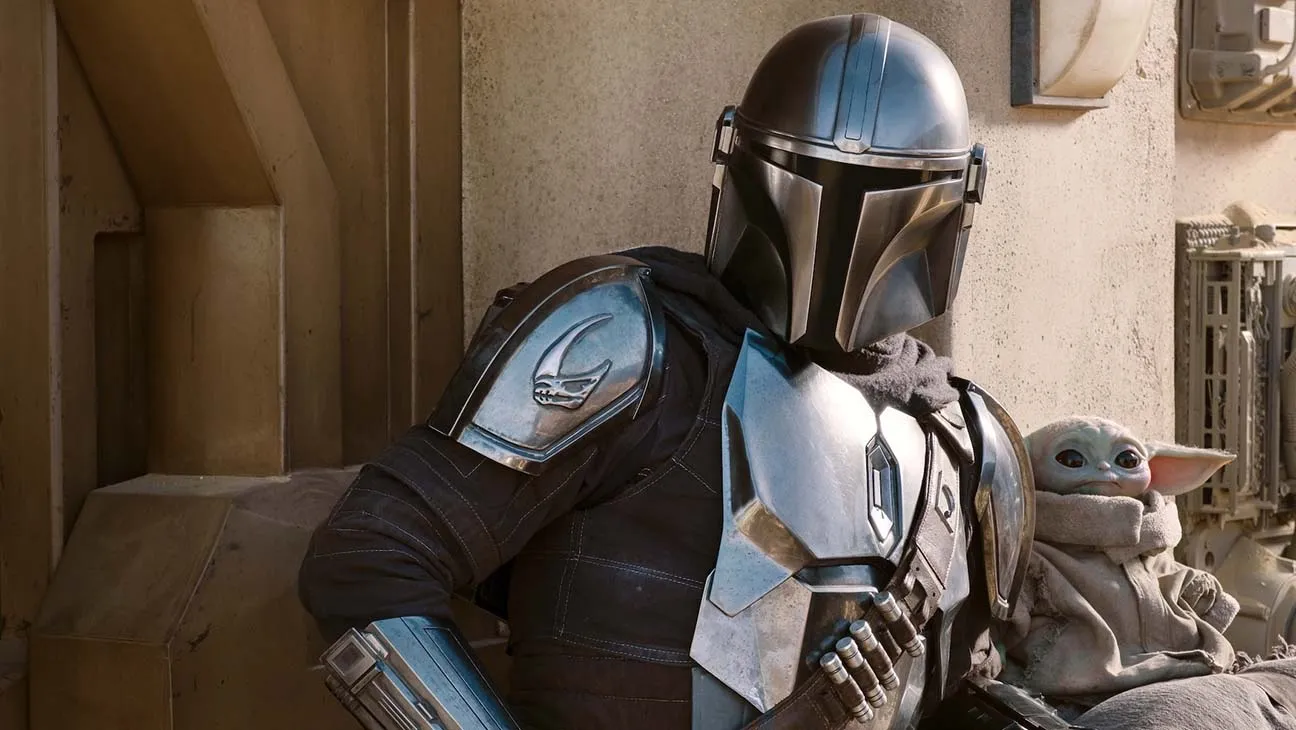
This is the episode where Din Djarin stops pretending he’s not already a dad.
Mando turns Grogu in. He gets paid. He upgrades his armor. On paper, he wins. But morally? Spiritually? Emotionally? The man is wrecked. And when he goes back, flamethrower blazing, to undo the worst decision of his life, The Mandalorian fully clicks into place.
This is the episode that saved Star Wars for a lot of people. Watching Mando tear through stormtroopers using every tool in his arsenal feels cathartic in a way modern Star Wars hadn’t earned in years. It’s brutal. It’s operatic. It’s personal.
More importantly, it’s the moment Din Djarin chooses Grogu over the bounty hunter life. Every decision in the movie traces back to this choice.
Chapter 8: Redemption
Season 1, Episode 8
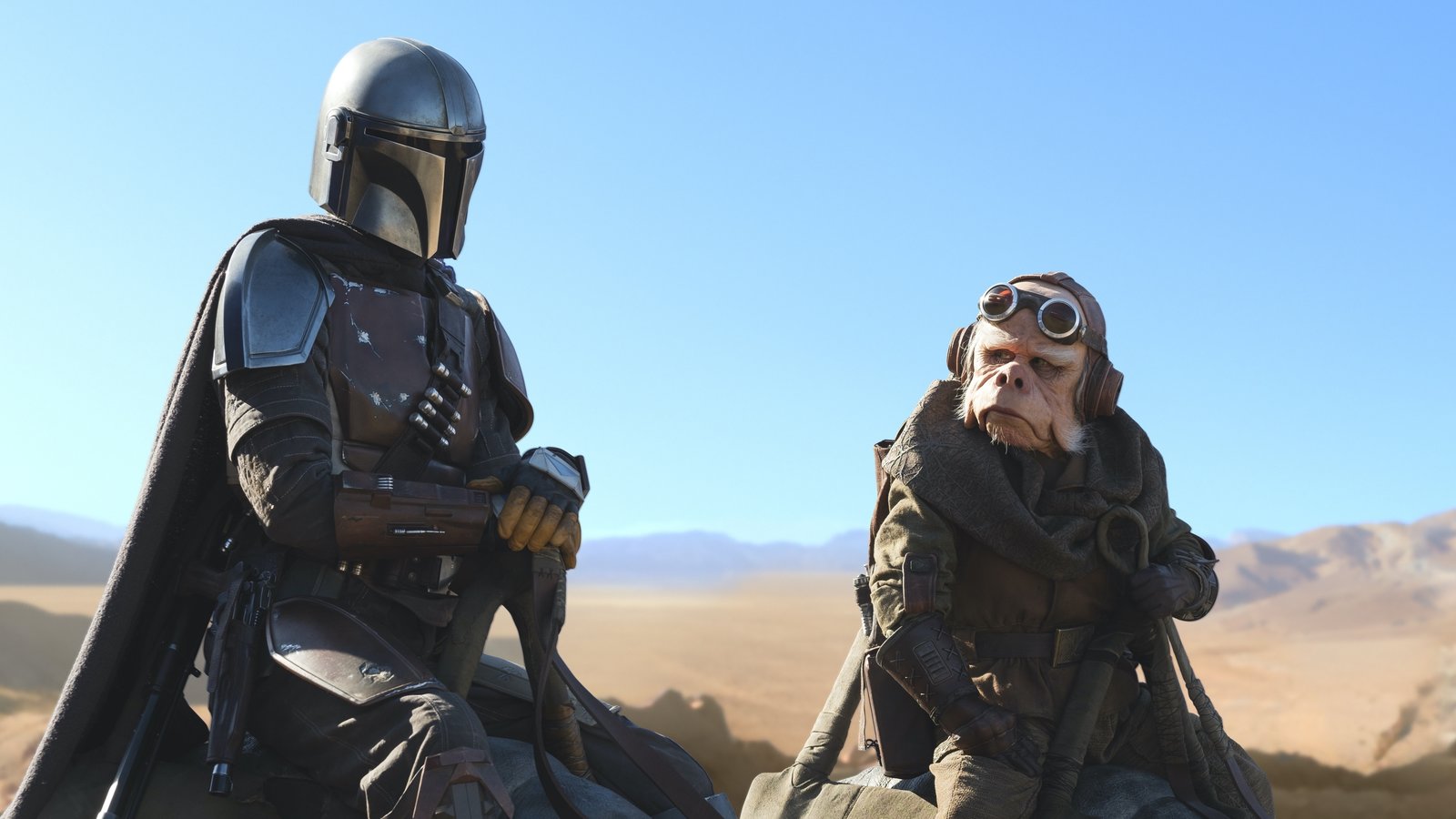
Season one’s finale quietly does an insane amount of heavy lifting.
We get the formal introduction of Moff Gideon, a villain who actually feels dangerous. We get IG-11’s surprisingly effective redemption arc. We get Din Djarin’s face reveal, which somehow doesn’t break the mystique.
And then there’s the jetpack TIE fighter takedown, which is the exact moment you realize, oh, this show is basically a movie budget pretending to be television.
This episode establishes the long-term stakes: Grogu is important. The remnants of the Empire are still very much a problem. And Din Djarin is now on a path he can’t walk away from.
Chapter 13: The Jedi
Season 2, Episode 5
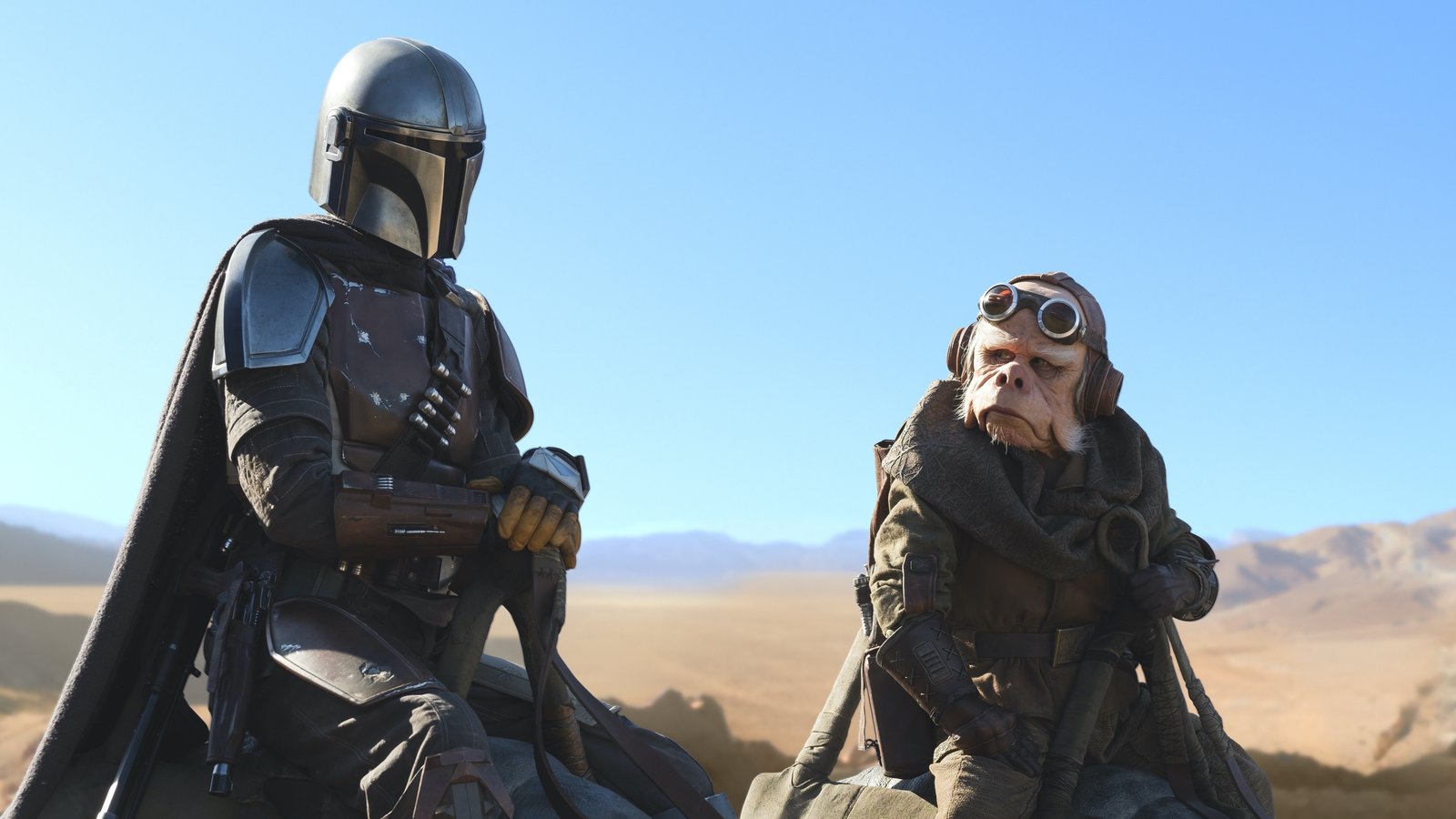
This episode is doing triple duty and somehow nails all of it.
First, it introduces live-action Ahsoka Tano, played by Rosario Dawson, in what is essentially a stealth Kurosawa homage. Second, it finally gives Grogu a name and a backstory that connects him directly to the fall of the Jedi Order. Third, it reframes Grogu not as a mascot, but as a survivor of deep trauma.
This is where Grogu stops being “Baby Yoda” and starts being a character.
For the movie, this matters because Grogu’s Force sensitivity, his past, and his choices are all now part of the narrative fabric. You can’t just hand-wave him as a cute sidekick anymore.
Chapter 14: The Tragedy
Season 2, Episode 6
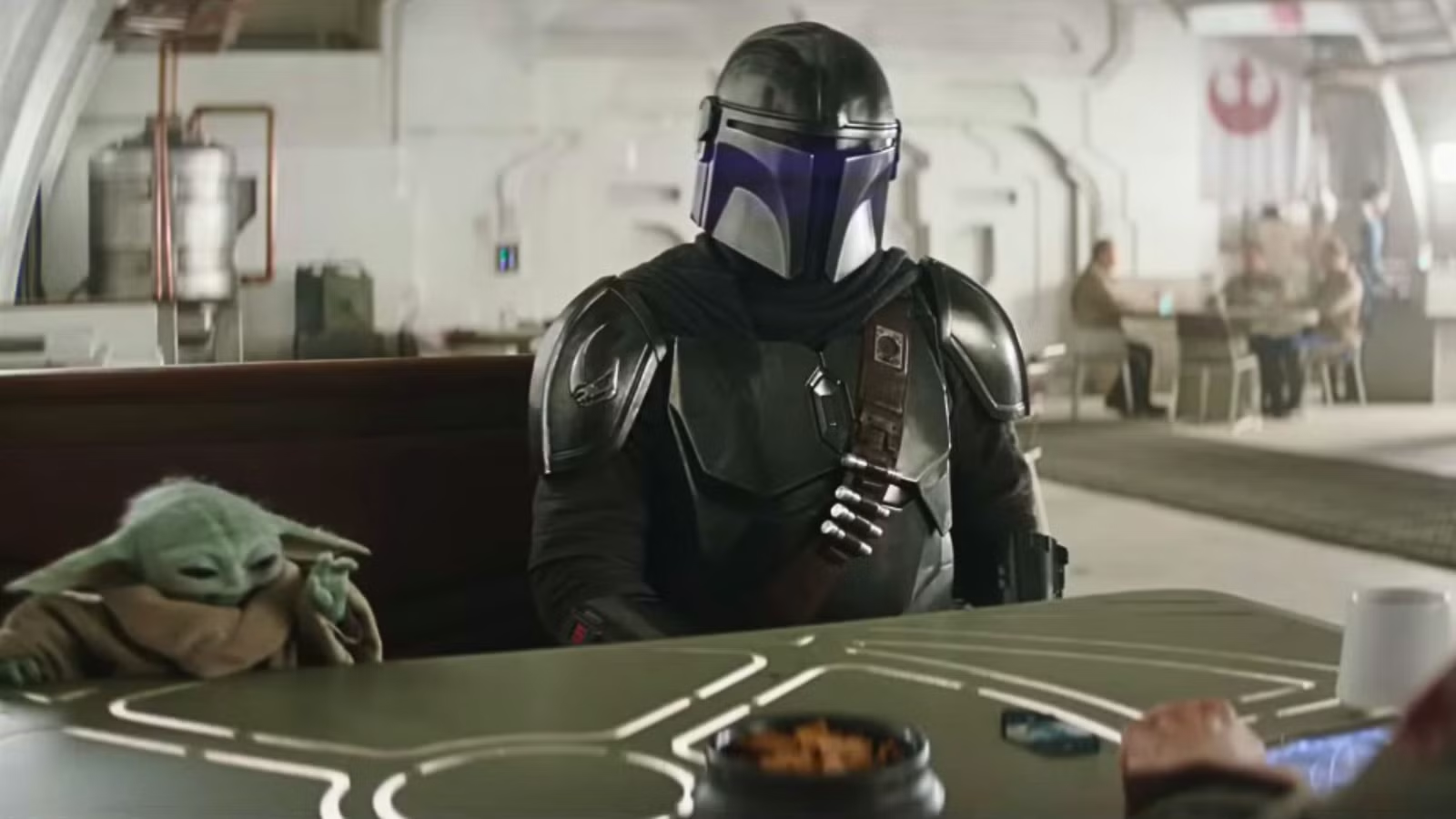
Everything goes wrong. Spectacularly.
Grogu reaches out through the Force. The Empire shows up. The Razor Crest gets obliterated like it owed someone money. And then Boba Fett finally, finally becomes the character people have pretended he was for decades.
Watching Fett dismantle stormtroopers with a gaffi stick is one of the most satisfying bits of fan service Star Wars has ever pulled off. But the real gut punch is Grogu being taken. Din Djarin, for all his weapons and resolve, fails.
The movie needs this emotional baseline. Din doesn’t protect Grogu because he’s unbeatable. He protects him because he knows what it feels like to lose him.
Chapter 16: The Rescue
Season 2, Episode 8
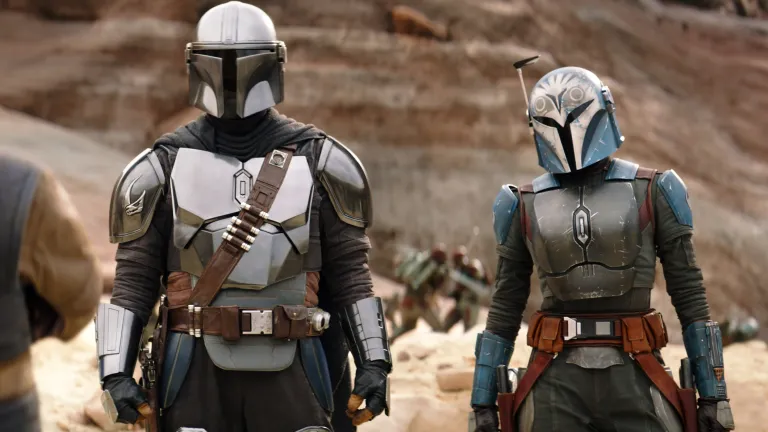
This is still the emotional peak of the entire series.
Yes, the Luke Skywalker hallway massacre is pure wish-fulfillment chaos, and yes, it rules. But the real power of this episode is quiet. It’s Din Djarin taking off his helmet. It’s Grogu touching his face. It’s a father letting his child go because it’s the right thing to do.
If The Mandalorian had ended here, it would’ve been a perfect ending. The fact that it didn’t isn’t this episode’s fault.
The movie is essentially tasked with justifying the continuation of this story. Remembering how well this landed is crucial context.
Chapter 6: From the Desert Comes a Stranger
The Book of Boba Fett, Episode 6
I still can’t believe this episode exists in a different show.
This is Mandalorian season 2.5 hiding inside someone else’s series like a narrative Trojan horse. Luke gives Grogu a choice. Grogu chooses Din. And the most emotionally mature ending Star Wars had in years gets reversed because capitalism.
Do I love it? Complicated. Do I need it? Unfortunately, yes.
If you skip this, the movie’s version of Din and Grogu makes significantly less sense.
Chapter 7: In the Name of Honor
The Book of Boba Fett, Episode 7
This is less essential narratively, but it’s important tonally.
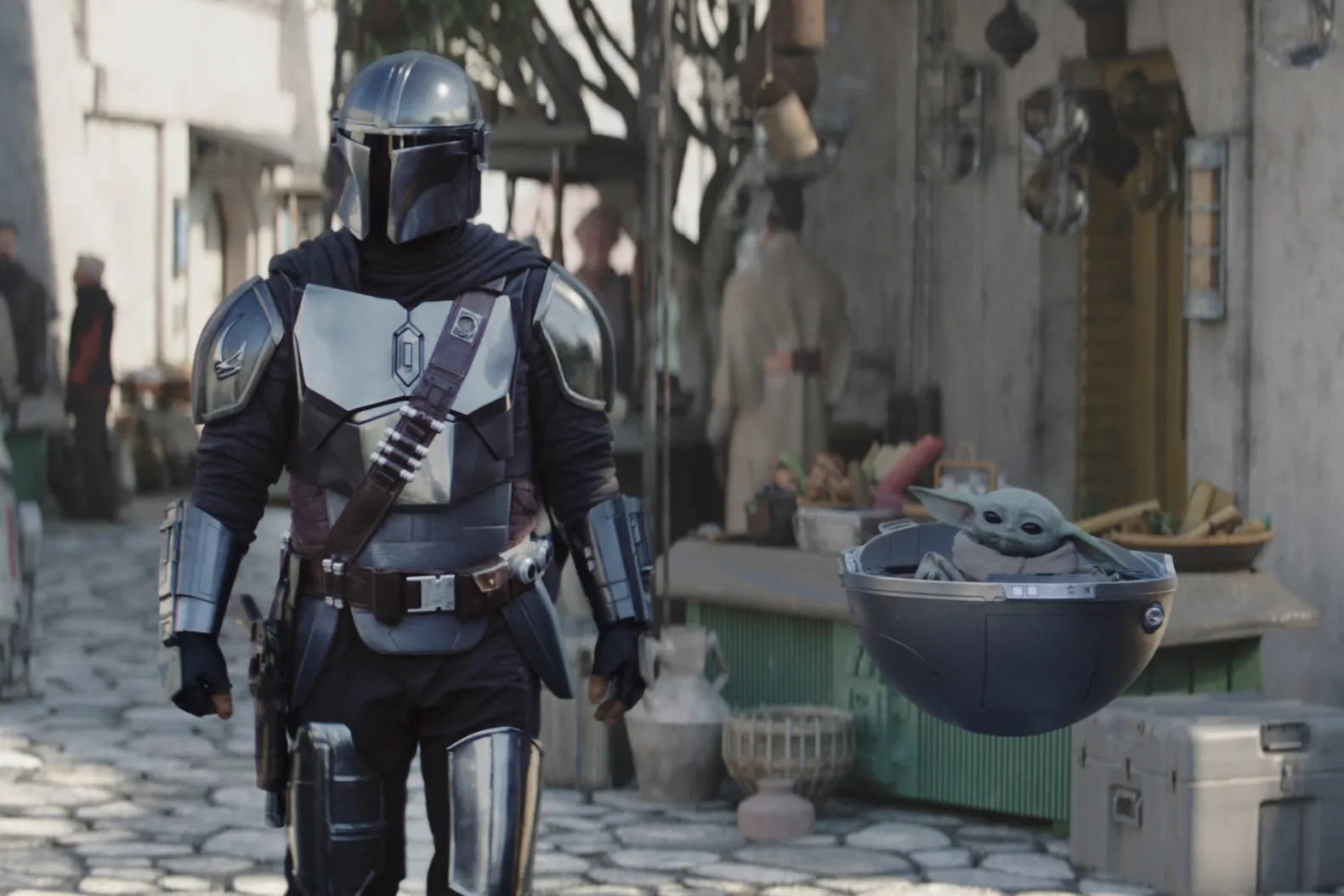
Mando and Boba fight together. Boba rides a rancor like he’s playing Monster Hunter. Cad Bane shows up and reminds everyone why he’s terrifying. It’s messy, indulgent, and kind of awesome.
This episode cements Din and Grogu as an inseparable unit again, which is the status quo the movie inherits.
Chapter 23: The Spies
Season 3, Episode 7
Season three is divisive, but this episode absolutely slaps.
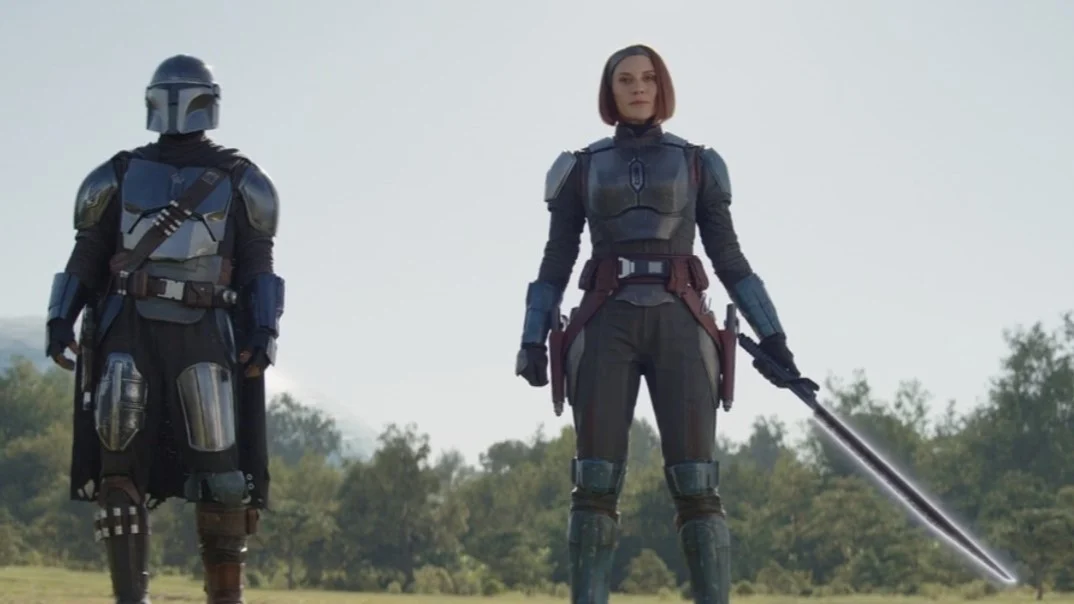
The battle for Mandalore is huge in scale and consequence. Paz Vizsla’s final stand is shockingly effective. And the idea that Mandalorian unity comes at an actual cost gives the story real weight again.
If the movie is going to expand the scope beyond bounty jobs and New Republic contracts, this episode is your reminder of what’s at stake.
Chapter 24: The Return
Season 3, Episode 8
This is the launchpad.
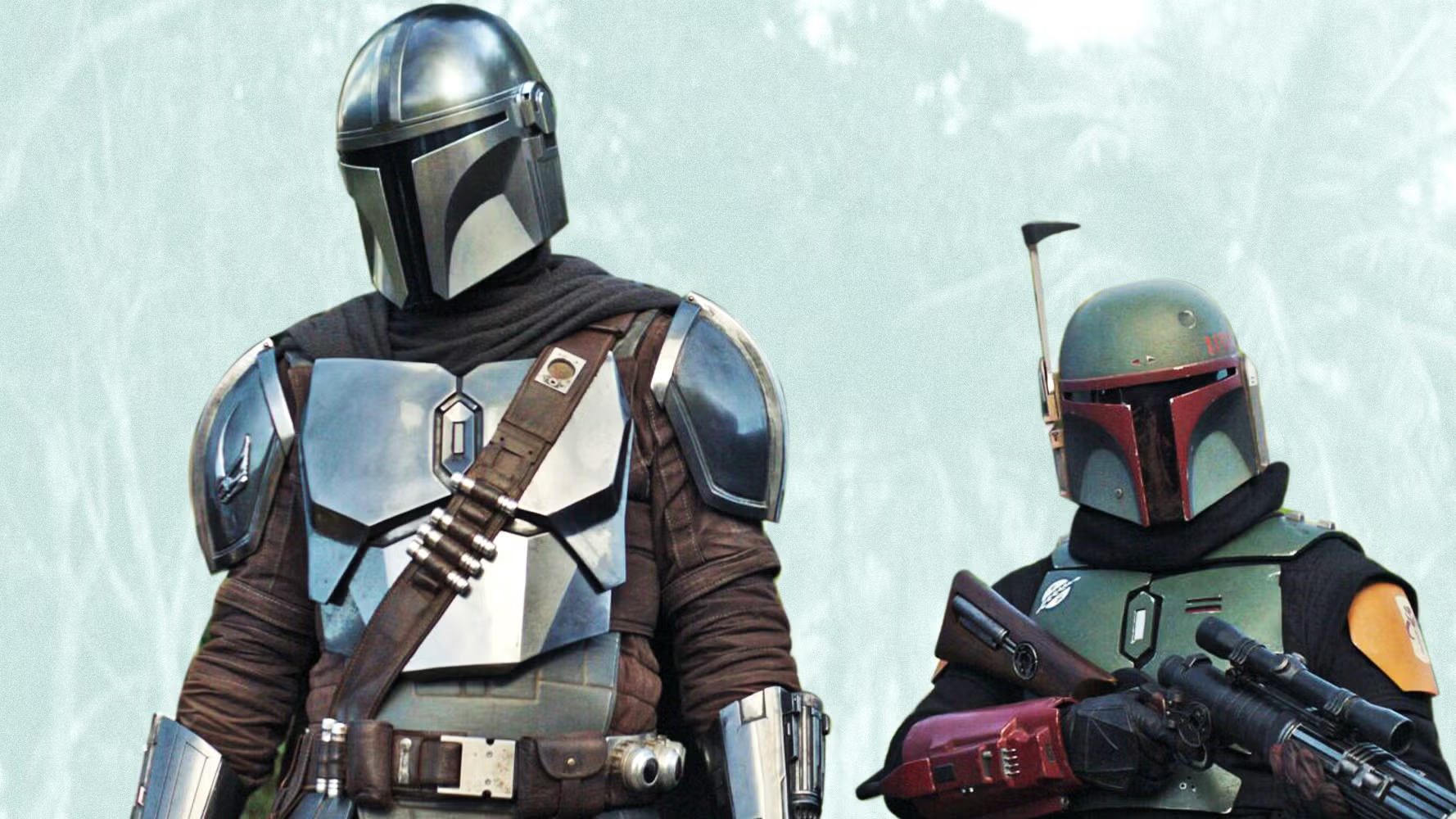
Din adopts Grogu officially. They settle on Nevarro. Din starts doing legitimate work for the New Republic. It’s space dad domesticity with blasters on the wall.
This episode establishes the calm before the storm. And if Star Wars has taught us anything, it’s that peace never lasts more than one opening crawl.
Final thoughts before the big screen
Rewatching these episodes back-to-back makes one thing very clear: The Mandalorian works best when it’s small, emotional, and character-driven. The movie will live or die by whether it remembers that.
Explosions are nice. Lore is fun. But what people actually care about is a tired man in a helmet trying to do right by his weird little kid.
If the movie gets that, we’re in for something special.