
TL;DR: The New Yorker at 100 is a thoughtful, richly textured Netflix documentary that captures a century of editorial brilliance, historical impact and delightful eccentricity. It honors the magazine’s legacy without denying its challenges and feels like reading an especially great issue cover to cover—absorbing, elegant and worth every minute.
The New Yorker at 100
The New Yorker at 100 on Netflix slid into my recommendations the way a fresh issue of the magazine lands in my mailbox: elegant, slightly intimidating and radiating the kind of confidence only a publication with a century of receipts can pull off. Marshall Curry’s documentary attempts something hilariously unreasonable—turning one hundred years of literary prestige, editorial neuroticism and world-shaping journalism into a feature-length film. Watching it, I kept thinking this is what it would look like if someone tried to make a movie about the library of Alexandria but insisted it clock in under two hours. And somehow, improbably, it works.
From the opening beats, the film feels like stepping inside the magazine’s bloodstream. Curry, who grew up reading his parents’ copies before graduating to his own subscription, approaches the material with both reverence and mischief, like a fan who somehow got the keys to the archive and decided to use them responsibly but also to have a little fun. He jokes early that trying to turn the New Yorker into a movie is like trying to adapt America itself; as someone who once lost an entire afternoon to a 10,000-word profile about a dentist, I felt that in my soul. Still, Curry dives in, rummaging through a year’s worth of editorial meetings, production huddles, quiet hallways and even quieter arguments—because of course at the New Yorker, disagreements happen at a whisper, like monks debating theology.
What’s immediately funny is how Curry expected cinematic chaos—frenzied deadlines, ink-stained panic, maybe the occasional Sorkin-style walk-and-talk. Instead, he found an office run with serene discipline, where deadlines are handled with the emotional temperature of a tea ceremony. The New Yorker does not sprint. It does not scramble. It glides. And that calmness, which would be lethal for most media operations in 2025, is precisely the superpower that has kept this magazine not only alive but culturally essential while its competitors crumble into clickbait dust. Curry captures that slow-cooked devotion beautifully, letting us watch editors and writers treat stories like living organisms that need to be nurtured, debated, massaged, kneaded and—when necessary—politely murdered.
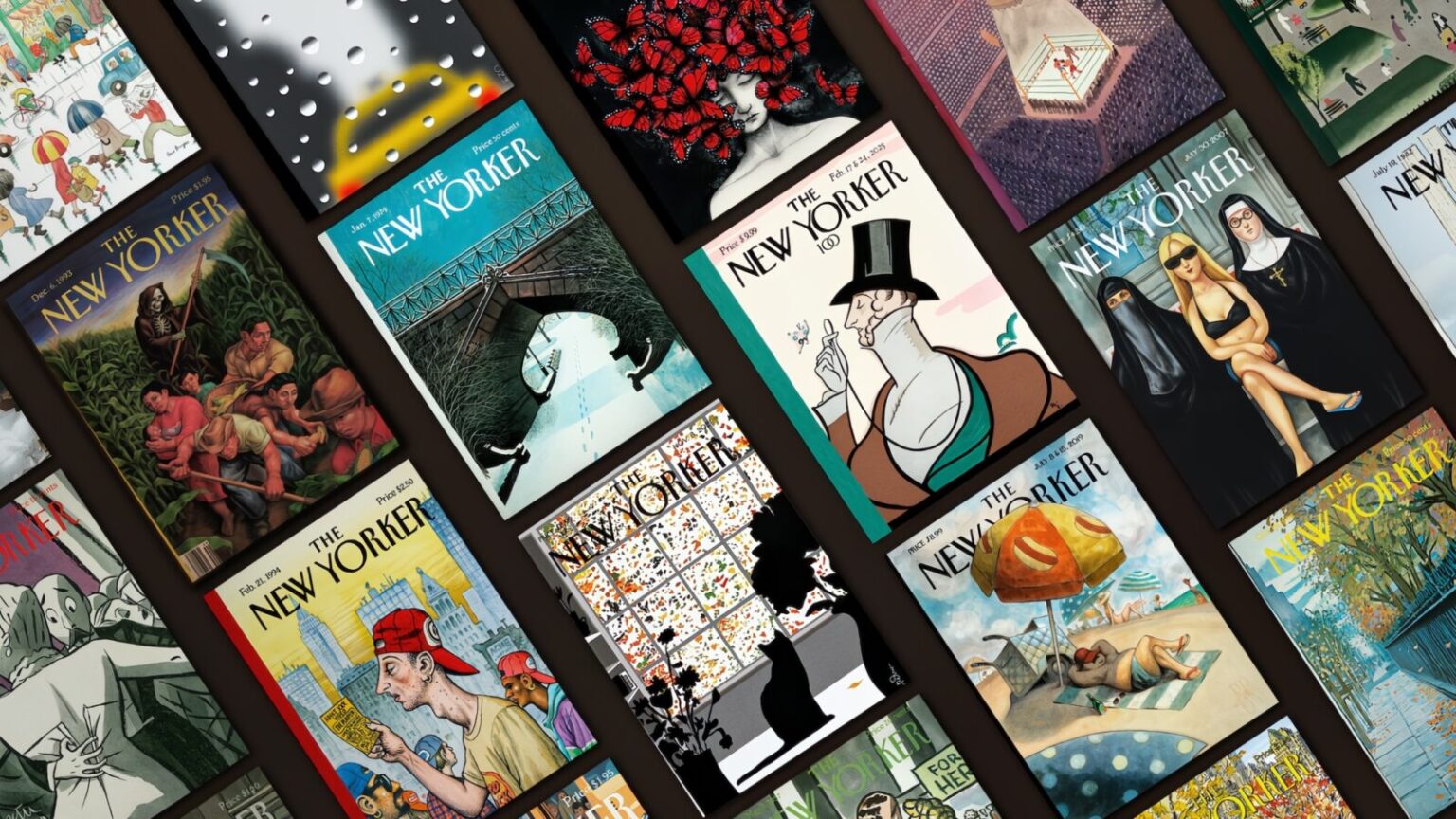
Julianne Moore’s narration wraps the whole film in a warm, velvety glow, which feels exactly right because if any magazine deserves to have Julianne Moore read its life story aloud, it’s this one. Cameos from Jesse Eisenberg and Chimamanda Ngozi Adichie give the film a kind of literary Avengers energy—contributors who speak about their New Yorker bylines as if they’re sacred relics. Sarah Jessica Parker and Molly Ringwald drop in to nerd out about Roz Chast cartoons, which, as someone with a Roz Chast fridge magnet, struck me deeply. And following art editor Françoise Mouly as she agonizes over the centennial cover reminded me why the magazine’s visual identity has lasted a hundred years without ever feeling stale—she treats every page like a tiny museum wall she’s curating under a microscope.
The strongest current in the documentary, though, is the history. Curry retraces the magazine’s path from a snarky humor rag birthed by a Colorado dropout into a global cultural institution. When the film shifts to the Hiroshima issue—John Hersey’s 30,000-word masterpiece that forced America to confront the scale of nuclear devastation—it lands with the weight of a tectonic shift. Then comes James Baldwin’s Letter from the Region of My Mind, which helped pry open white-dominated media to Black perspectives at a time when most publications wouldn’t dare give Baldwin oxygen. Watching these milestones roll out, I felt the familiar awe of remembering that the New Yorker isn’t just a magazine; it’s a historical force that occasionally rewired public consciousness.
Curry also indulges in the magazine’s eccentricities: the fact-checking department so legendary it deserves its own cinematic universe, the quirky typographical styling that insists on coöperate and élite, the gleeful pedants who write letters whenever the magazine slips—those readers are the true final bosses of literary culture. And yet the documentary doesn’t shy away from the vulnerabilities. It nods at union tensions, Condé Nast layoffs, generational anxieties about David Remnick eventually stepping down, and the broader existential dread of journalism in a world where attention spans have the half-life of a TikTok transition. The New Yorker may still have over a million subscribers, but the future of long-form storytelling is hardly guaranteed, and Curry handles that uncertainty with a gentle, clear-eyed honesty.
What I loved most was how personal the film feels despite its epic subject. Curry isn’t making a corporate tribute; he’s making a biography of an institution that shaped him, shaped many of us, shaped culture itself. Watching him interview David Remnick—only to have Remnick deadpan his way through Curry’s attempt at a documentary trick—felt like watching two dungeon masters argue over a rulebook. And that’s the energy of the whole film: affectionate, nerdy, insightful, and unwilling to sand away the idiosyncrasies that make the New Yorker the New Yorker.
By the time the credits rolled, I found myself reflecting on the absurd joy of reading a magazine that has outlived wars, recessions, internet revolutions and whatever the algorithm is doing this week. The documentary is not breathless or explosive or jam-packed with revelations. Instead, it simmers with warmth and reverence, a film that feels like an exceptionally good issue of the magazine itself—layered, curious, funny, meticulous and quietly radical. It’s the rare documentary about journalism that left me feeling optimistic, or at least appreciative, that a place still exists in the world where stories are treated like delicate handcrafted artifacts rather than content to be churned out on demand.
The New Yorker at 100 is a celebration, a time capsule, a love letter and a reality check all in one sitting. It’s the cinematic equivalent of seeing someone pull a pristine New Yorker from a tote bag on the subway and thinking, yes, civilization still has a pulse.