

TL;DR: Trails goes to space, sticks the landing, stumbles a bit on takeoff, but delivers deep characters, excellent combat, and a bold setup for what comes next.
The Legend of Heroes: Trails Beyond the Horizon
I’ve been following the Trails series long enough that I no longer flinch when it decides to reinvent itself mid-sentence. I’ve watched this universe grow from humble, turn-based political fantasy into a sprawling JRPG soap opera involving divine beasts, mechs the size of apartment buildings, and enough conspiracies to make a corkboard cry for help. So when The Legend of Heroes: Trails Beyond the Horizon looked me dead in the eye and said, “What if we went to space?” my reaction wasn’t disbelief. It was a tired, affectionate sigh. Of course we’re going to space. Where else was this going to end up?
And yet, even with all that baggage, Beyond the Horizon still managed to surprise me. Not because it’s the wildest thing Falcom has ever done, but because it feels like a statement game. This is the Trails series standing at the edge of its own legacy, peering over the event horizon, and daring itself to keep going.

The game picks up directly after The Legend of Heroes: Trails Through Daybreak 2, which means newcomers should absolutely not start here unless they enjoy confusion as a lifestyle choice. This is late-season prestige TV energy. Characters reference events from a decade ago like they happened last Tuesday, and the emotional beats land hardest if you’ve been living in Zemuria for years. Beyond the Horizon doesn’t apologize for this. It assumes you’re caught up, buckled in, and ready.
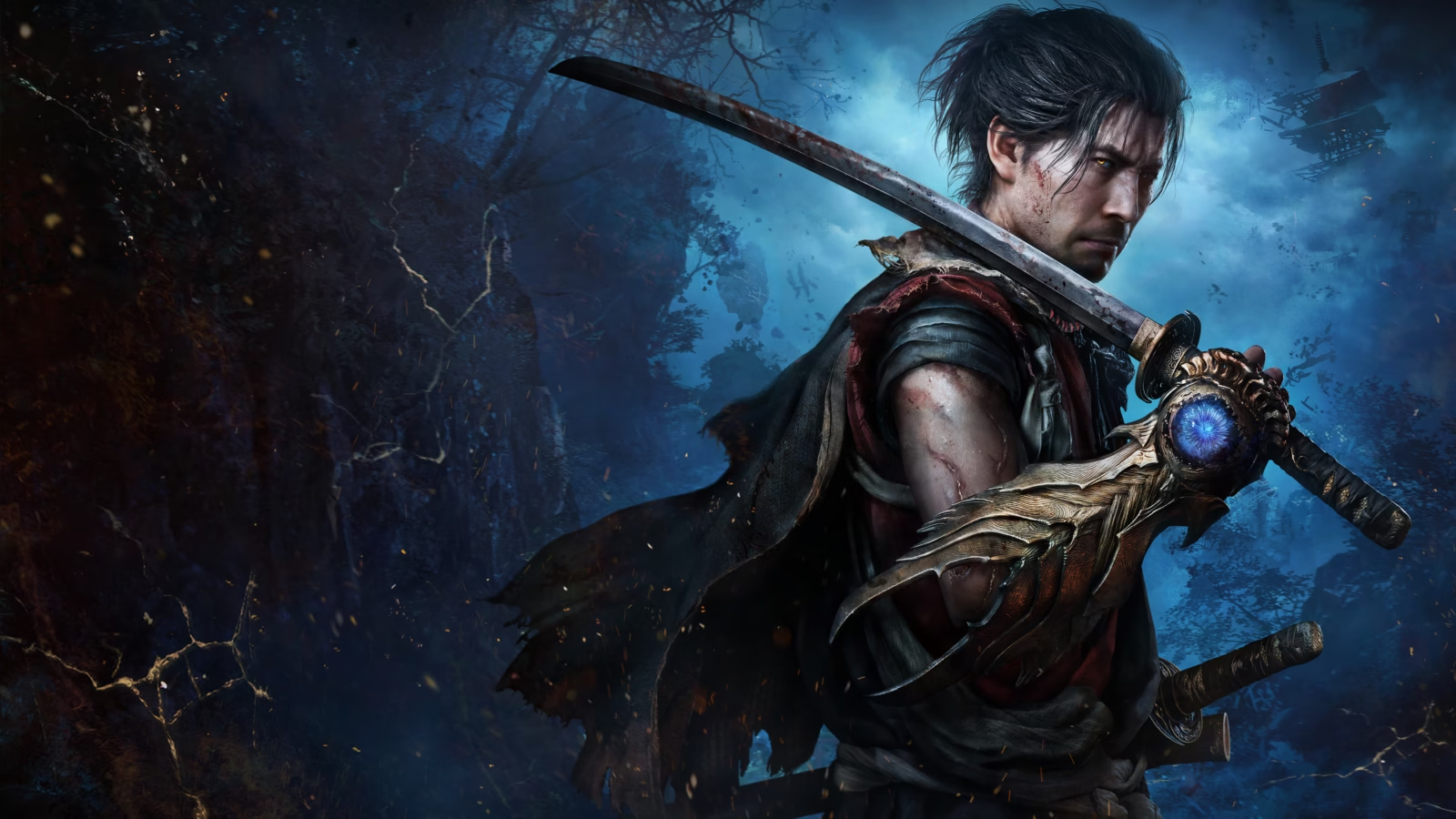
At the center of it all is Project Startaker, Calvard’s first manned spaceflight and, naturally, a magnet for secrets, lies, and existential dread. The narrative splits its time between three protagonists, each carrying the weight of an entire saga on their shoulders. Van Arkride is technically the lead, but sharing the spotlight are Rean Schwarzer and Kevin Graham, two characters whose mere presence feels like Falcom reaching back through its own history and pulling threads forward.
Rean’s route was the one that hooked me immediately. There’s something quietly compelling about watching him navigate a conspiracy that feels less like a battlefield and more like a chess match played in zero gravity. His sections drip with unease, slowly peeling back the truth behind Project Startaker, and they gave me that old Trails feeling of dread mixed with curiosity, the sense that every answer is just another door to a worse question.
Kevin’s story hit me in a completely different way. Seeing him step back into the role of Heretic Hunter felt like reconnecting with an old friend who’s changed, but not as much as they think they have. His arc is heavy, reflective, and occasionally brutal, forcing him to confront both his mission and himself. It’s some of the strongest character writing Falcom has done in years, and it reminded me why Kevin has always been one of the series’ most quietly fascinating leads.
Van, oddly enough, took the longest to click. His route is the longest by far, and the first half drags more than it should. Fighting off a new faction called the Vestiges didn’t immediately grab me, especially when I kept wanting to jump back to the sharper pacing of the other two stories. But once Van’s narrative finally starts intersecting with the others, it all comes together in a way that feels deliberate rather than indulgent. By the finale, it’s clear why this is ultimately his story, even if it takes its sweet time proving it.

One thing I appreciated is how restrained the cast feels compared to past crossover-heavy entries. Trails has a bad habit of treating character rosters like a clown car, but Beyond the Horizon keeps things focused. Familiar faces return where they matter, not just for fanservice, and new characters are introduced with purpose. That restraint makes the emotional moments hit harder, especially during the Connections bonding events, which continue to be one of my favorite aspects of the Daybreak-era games.
These moments aren’t just fluff. They’re quiet, human scenes that remind you why you care about these characters after all this time. One late-game conversation sent me spiraling into memories of playing Trails on my old Vita in college, realizing just how much life has happened in the real world since these characters first showed up on my screen. Few long-running RPG series manage that kind of resonance without feeling self-indulgent. Trails somehow pulls it off.
Not everything works as well. The LGC morality system still feels like a relic of a better idea. It returns largely unchanged, and once again, its impact is disappointingly shallow. What was once a defining mechanic for Van now feels underutilized, especially when applied to characters like Rean and Kevin, where the narrative potential is enormous but unexplored. It’s frustrating to see a system with so much thematic weight reduced to little more than a flavor stat.
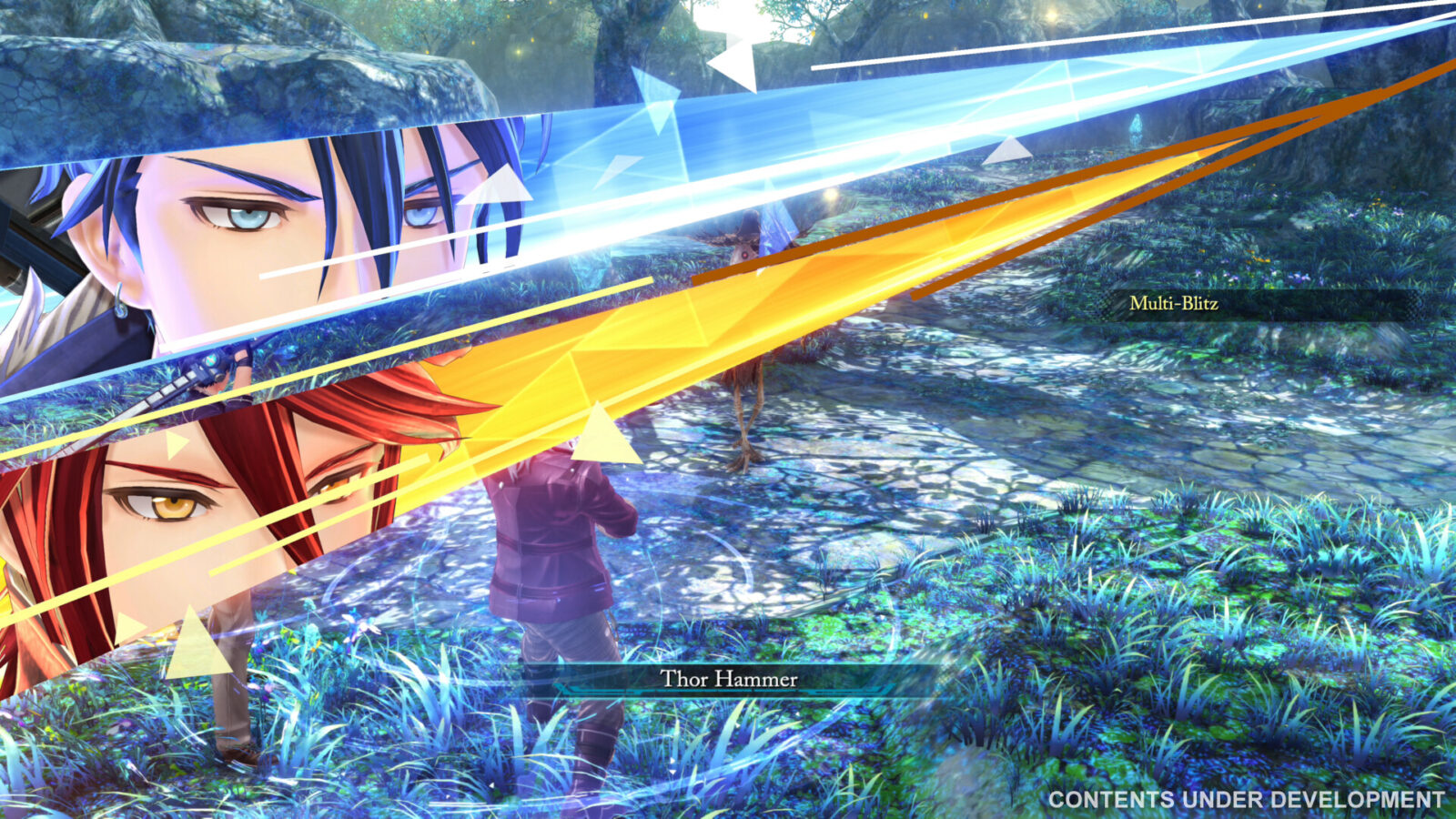
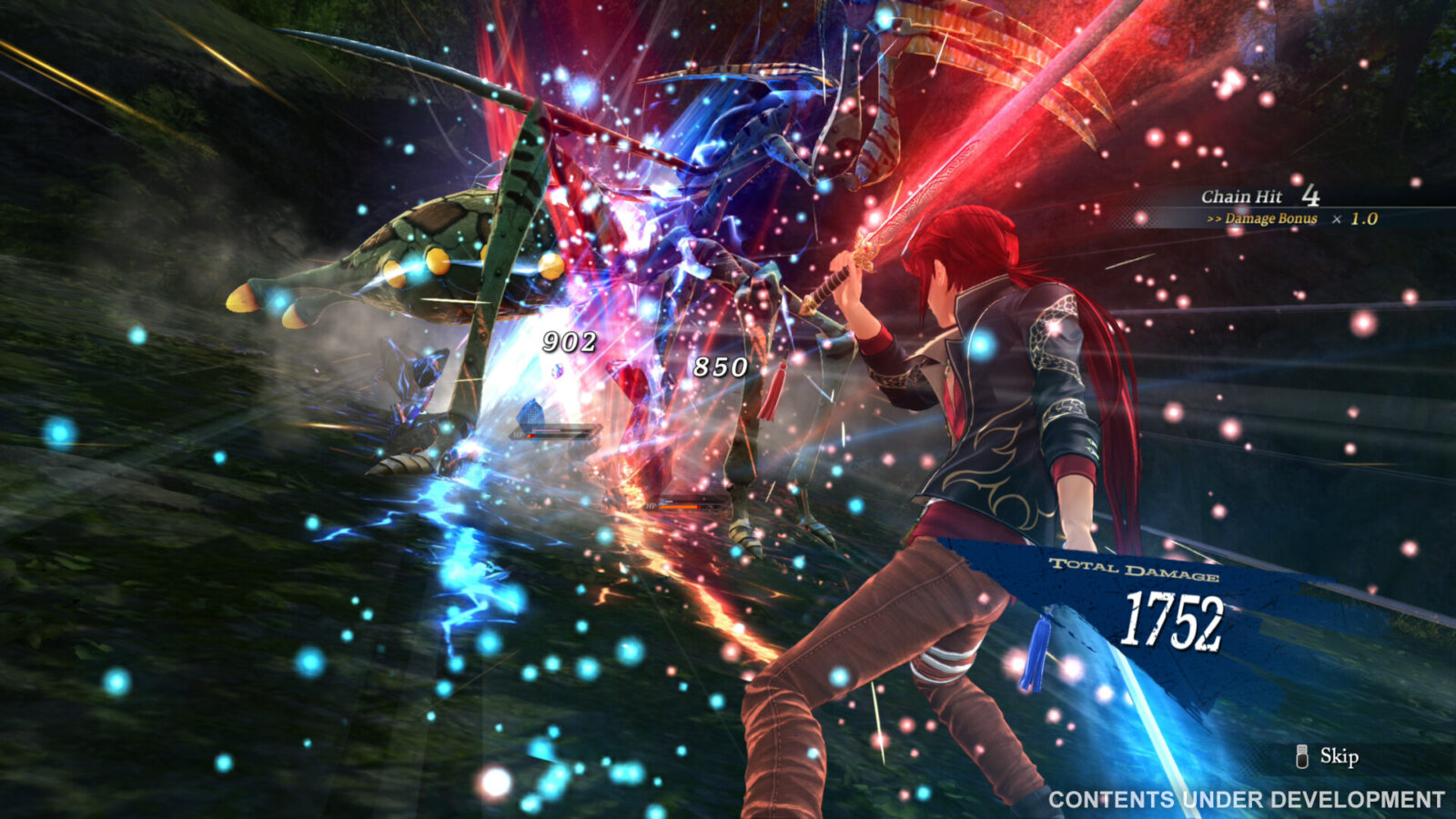
Combat, however, is where Beyond the Horizon truly shines. The hybrid real-time and turn-based system introduced in the Daybreak games continues to evolve in smart, meaningful ways. Field battles feel more dynamic thanks to new mechanics like Awakening, which seamlessly blend story-driven power-ups into the action side of combat. Triggering Rean’s Spirit Unification or Kevin’s Stigma before transitioning into turn-based fights never got old, and it adds a satisfying rhythm to encounters.
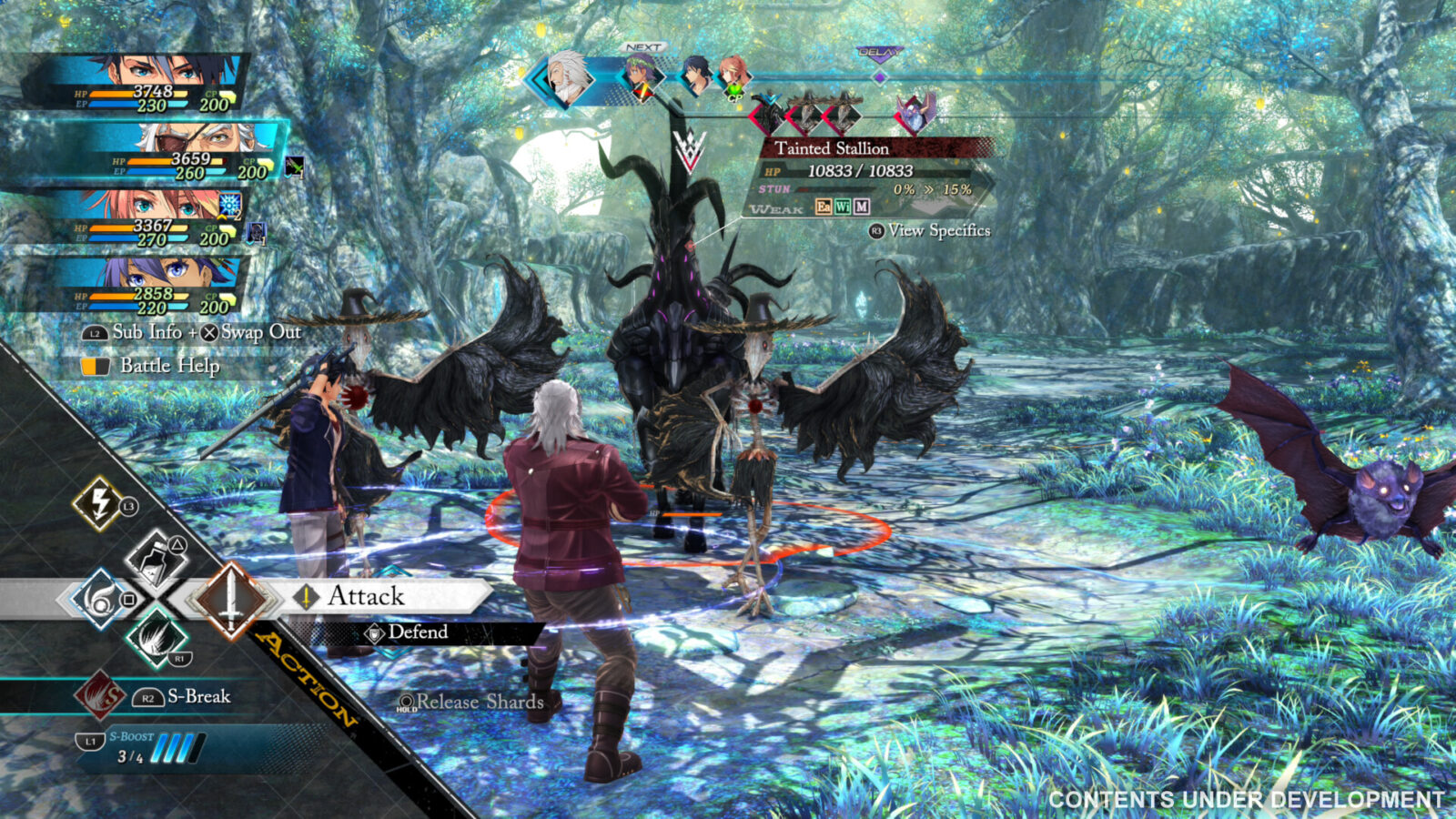
Turn-based combat remains the heart of the experience, and it’s better than ever. Timeline manipulation, bonus stealing, Shard Boosts, and the new Shard Commands all layer together into battles that feel like intricate puzzles rather than rote number crunching. Every decision matters, especially on higher difficulties, and the system rewards players who pay attention rather than those who brute-force their way through encounters.
Customization is largely unchanged, but that’s not a complaint. The Quartz system remains one of the most flexible and rewarding character-building tools in modern JRPGs. I lost hours tinkering with setups, chasing marginal gains, and feeling like a genius when a new combination clicked. It’s comfort food for RPG obsessives, and I mean that as the highest compliment.
By the time the credits rolled, I was left with that familiar Trails feeling: satisfaction mixed with anticipation and just a little bit of frustration. The cliffhanger ending is going to divide people. It’s bold, a little cruel, and very on-brand for a series that has never been afraid to ask its fans to wait. Personally, I didn’t mind. It feels like the exhale before something massive.
Verdict
The Legend of Heroes: Trails Beyond the Horizon is a confident, ambitious entry that embraces the absurd scale of its own legacy while still finding room for intimate character moments. Its pacing stumbles early, and some long-standing systems feel overdue for reinvention, but the refined combat, focused storytelling, and emotional payoff make it one of the strongest Trails games in years. The jump to space isn’t just a gimmick. It’s a metaphor for a series that refuses to stop pushing forward.