
TL;DR: Episode 4 of The Last Thing He Told Me Season 2 completely reshapes the series by dismantling Owen’s carefully constructed plan and introducing a massive twist involving Nicolas. With Grady dead, the truth about the past unraveling, and Hannah finally taking control of the situation, the show moves into far deeper thriller territory. The story suddenly feels bigger, darker, and far less predictable, setting up a second half of the season that could redefine the entire narrative.
The Last Thing He Told Me
Four episodes into The Last Thing He Told Me Season 2 on Apple TV+, and the show has officially reached that moment every thriller either nails or completely fumbles: the mid-season twist that changes the entire game. Episode 4, titled Ghosts, doesn’t just introduce a new mystery. It detonates the central premise the show has been building since Season 1 and forces every character to confront the possibility that the truth they’ve been chasing was never the real story in the first place.
When I started watching Season 2, I expected the usual slow-burn suspense the series built its reputation on. The Last Thing He Told Me has always leaned more into emotional tension than explosive action. Season 1 was essentially a puzzle about identity and trust, wrapped around a fractured family trying to understand the man who vanished from their lives. But Episode 4 makes it clear that the show is done playing small. The narrative suddenly expands, the stakes become far bigger than a single family secret, and the carefully constructed plan Owen has been relying on begins collapsing in real time.
Watching the episode unfold feels like witnessing a house of cards being knocked down piece by piece. What’s fascinating is that the show doesn’t rush the destruction. Instead, it slowly pulls at the threads until the entire structure falls apart.
One of the episode’s most important turning points is the death of U.S. Marshal Grady. Up until this moment, Grady represented something incredibly important for Owen: legitimacy. He was the bridge between Owen’s chaotic hidden life and the official system that could theoretically protect him and his family. The case they were building against the Campano crime family was supposed to be the final move in Owen’s long-running strategy. It was the plan that justified years of hiding, disappearing, and forcing Hannah and Bailey to live with the consequences of his secrets.
Then Grady dies.
And not in the kind of heroic, dramatic way thrillers usually frame these moments. His death is staged as a suicide, a detail that instantly signals that something much larger and more dangerous is happening behind the scenes. For Owen, the realization hits hard. The one person he trusted to help him navigate the system is gone, and with him goes the illusion that Owen understood the rules of the game he was playing.
What makes this moment so effective is how it reframes Owen’s entire strategy. For years he believed he was operating several steps ahead of everyone else. He built a life around that belief, making decisions that forced the people he loved into a constant state of uncertainty. But Grady’s death suggests that Owen may never have been in control at all. The system he thought he was working with might have been working against him the entire time.
If Grady’s death destabilizes the present, the revelation about Nicolas completely rewrites the past. For most of the series, Nicolas existed as a memory. Bailey’s grandfather was believed to have died from a heart attack, a tragic but straightforward piece of backstory that shaped the emotional foundation of the family. Episode 4 turns that assumption on its head by revealing that Nicolas is actually alive.
This twist lands with the kind of quiet shock that makes you immediately start reevaluating everything you’ve watched so far. If Nicolas faked his death, then the question becomes why. More importantly, it raises the uncomfortable possibility that Hannah and Bailey have been operating without critical information for years. Someone clearly decided they shouldn’t know the truth, and the fact that Nicolas has been alive this entire time suggests that the web of secrets surrounding this family is far more complicated than Owen ever admitted.
The brilliance of this reveal is that it doesn’t provide answers. Instead, it introduces a flood of new questions. Who helped Nicolas disappear? Did Owen know about it? Was Grady aware? Or were Hannah and Bailey the only ones completely in the dark? The show leaves those questions hanging in the air, creating a sense that the story we thought we understood is only a small piece of something much bigger.
While the episode is packed with narrative twists, the most satisfying development is Hannah’s evolution as a character. For most of the series, Hannah has been reacting to events set in motion by other people. Owen’s disappearance forced her into survival mode, and the years that followed required her to protect Bailey while navigating the constant threat lingering over their lives.
By the time Season 2 begins, Hannah has already spent five years living with uncertainty. She has learned how to manage the danger and prepare for the moment when the past might catch up with them again. That experience changes the way she responds when Owen suddenly reappears and starts trying to reassert control over the situation.
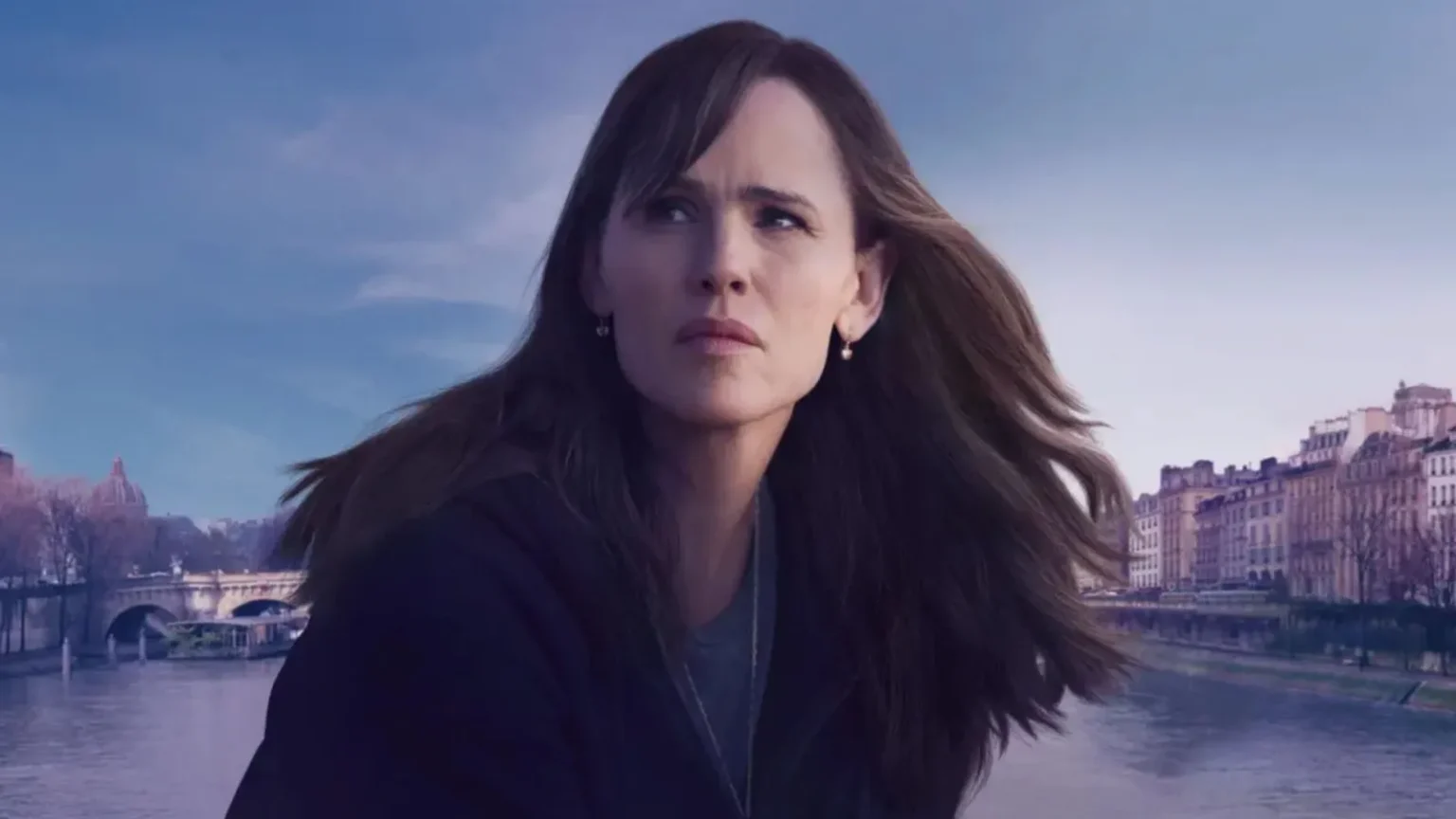
Jennifer Garner plays this shift with a quiet intensity that makes the character feel far more formidable than she did in the first season. Hannah is no longer willing to accept Owen’s rules or blindly trust his judgment. When he suggests separating again for safety, she shuts the idea down immediately. After everything she has endured, the thought of returning to the same dynamic is unacceptable.
What makes this moment powerful is how grounded it feels. Hannah isn’t rejecting Owen out of anger alone. She’s rejecting the idea that one person can control a situation this complicated. Her insistence on facing the threat together signals a fundamental change in the power dynamic between them. For the first time, Owen isn’t the one dictating the strategy.
For Owen, Episode 4 becomes a brutal reality check. His entire life since Season 1 has revolved around a single objective: staying ahead of the people hunting him. Every move he made was designed to keep his family safe while slowly working toward a moment where he could finally dismantle the threat.
But the events of this episode reveal that his understanding of that threat may have been incomplete. The case against the Campano family, which he believed would expose the entire criminal network targeting them, suddenly feels less certain. With Grady gone and Nicolas emerging from the shadows, Owen is forced to confront the possibility that the story he built in his head doesn’t reflect the full truth.
Nikolaj Coster-Waldau leans into that vulnerability in a way that adds new depth to the character. The confident strategist we saw in Season 1 is replaced by someone realizing that the world is far more complicated than he anticipated. His plans worked under the assumption that he understood the enemy. Now he’s starting to realize that he might not even know who the enemy actually is.
At the halfway point of Season 2, The Last Thing He Told Me feels like it has transformed into a completely different show. The family drama and emotional tension are still there, but the scope of the story has expanded dramatically. The twists introduced in Episode 4 suggest that the conspiracy surrounding Owen, Hannah, and Bailey extends far beyond the crime family they believed they were fighting.
What makes this shift exciting is the sense of unpredictability it creates. With Grady gone, Nicolas alive, and Owen’s strategy falling apart, the narrative is suddenly wide open. The remaining episodes have the freedom to explore darker territory and reveal layers of the story that have been hidden since the beginning.
If the show continues building on this momentum, Season 2 could end up delivering a far more ambitious thriller than anyone expected when the series first premiered.