
As “The Handmaid’s Tale” marches into its sixth and final season, it does so not with a whimper, but a roar. Season 6 is not merely a conclusion; it’s a confrontation—between old ideologies and new resistances, between personal grief and collective power, and, most pointedly, between the show and its audience. It dares you to sit up and pay attention, to reflect, to engage, and to question your own complicity in the societal structures around you. If that sounds like a tall order for a television show, that’s because “The Handmaid’s Tale” has never aimed low. And this final season might just be its most politically charged, emotionally devastating, and narratively sophisticated outing yet.
The Handmaid’s Tale season 6
Set against the ironically named New Bethlehem, Season 6 plunges deeper into the illusion of progress within tyranny. Commander Joseph Lawrence (Bradley Whitford) is the architect of this new social experiment—a city-state that promises leniency in exchange for compliance. It’s Gilead lite, fascism with a fresh coat of paint. Serena Joy (Yvonne Strahovski), ever the survivor, attempts to hitch her wagon to this quasi-liberal regime, hoping it will restore her relevance. But don’t be fooled: this is not a redemption arc; it’s a deeper descent into moral grayness. Strahovski leans into this ambiguity with a chilling performance, balancing delusion with desperation in scenes that oscillate between quietly tragic and outright horrifying.
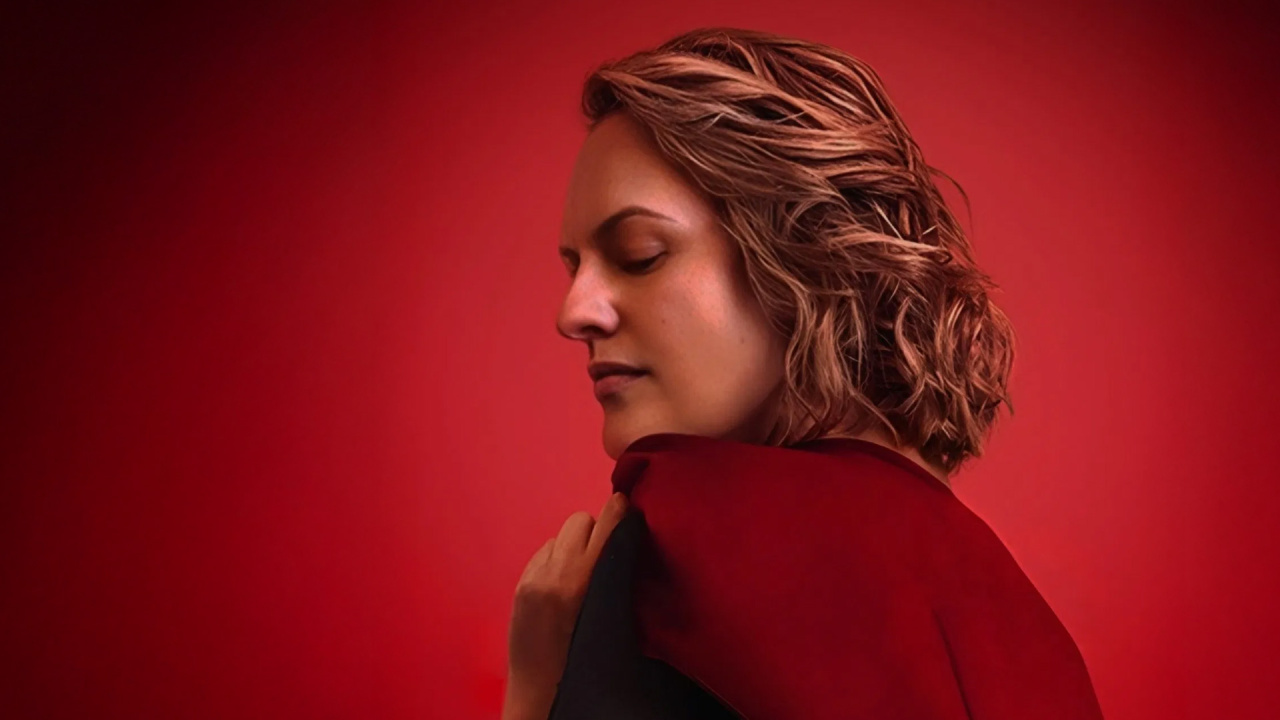
And then there’s June Osborne (Elisabeth Moss), the heart, fist, and flame of this series. Moss delivers what can only be described as a career-defining performance. Her June is raw, rattled, and relentless. She’s no longer the lone symbol of rebellion; she’s its architect, its casualty, and its myth. In a landscape littered with ideological landmines, June navigates love, trauma, and resistance with a clarity that burns. Her relationships—with Luke (O-T Fagbenle), with Nick (Max Minghella), with her daughter, and with herself—form a mosaic of what survival under oppression really looks like: fractured, unfinished, but unmistakably human.
The writing this season is unflinching. It’s cerebral without being self-indulgent, sharp without being cynical. Yes, there are a few clunky expository moments—especially when villains opt for monologues that might as well come with a neon sign reading “IMPORTANT PLOT POINT HERE.” But the power of the narrative lies in its refusal to make things easy. There are no quick fixes. No tidy resolutions. Characters are forced to sit with their choices, and viewers are invited—no, compelled—to do the same.
Where Season 6 stumbles slightly is in its pacing. Certain arcs feel like slow burns that risk becoming stagnant. A few episodes stretch their emotional beats just a hair too long, and some transitions feel too clean to be credible. But those are minor gripes in a season that, overall, thrums with urgency and purpose.
Visually, the series continues to be a masterclass in mood-setting. Stark contrasts, cold lighting, and claustrophobic compositions create a visceral sense of entrapment. When those rare moments of warmth do appear, they hit harder, precisely because they are so scarce. The production design, costuming, and soundscape work in concert to create a world that feels both hyperreal and all too familiar.
Ultimately, “The Handmaid’s Tale” doesn’t just end—it erupts. It reminds us why storytelling matters, especially in times of social regression. It reminds us that resistance is messy, imperfect, and absolutely necessary. And it dares us to see ourselves not as passive observers, but as active participants in the fight for justice, dignity, and truth.