

TL;DR: The Eternaut on Netflix is a quietly devastating, slow-burn sci-fi parable wrapped in apocalyptic dread. It may test your patience, but it earns your loyalty with soul, atmosphere, and unnerving relevance.
The Eternaut
There’s something terrifying about the ordinary. A slow Tuesday. A friendly game of cards. A city like Buenos Aires, so vibrant and noisy it feels like life’s eternal pulse. And then the snow comes.
Not the good kind. Not the ski-lodge, cocoa-in-hand variety. No, this snow kills. It falls quietly, beautifully, and it murders anyone who touches it.
This is where Netflix’s The Eternaut begins — with the kind of gentle opening that makes the catastrophe hit harder. It’s a faithful but thoroughly modern adaptation of the 1957 Argentine graphic novel El Eternauta by Héctor Germán Oesterheld and Francisco Solano López. But the terror it evokes isn’t rooted in just the sci-fi of it all. It’s in the suddenness. The indifference of it. The snow doesn’t hate you. It just is. That cold existential horror? Yeah, that’s the vibe here.
Let’s talk setting. The show wisely keeps the original location: Buenos Aires. And thank whoever made that decision, because the city breathes life into every frame. This isn’t a Hollywood dystopia full of cardboard rubble and over-lit neon despair. This is home for its characters — and you feel it.
That choice adds layers of resonance. Argentina’s own history of authoritarian trauma bleeds into every scene. The Eternaut isn’t content with alien invasions and doomsday snow; it’s interested in how humans react, organize, betray, and endure. It’s political, whether it wants to be or not. Especially when survival requires hiding, resisting, and rebuilding — just like the comic, which was written under dictatorship and got its author disappeared. Literally.
If you’re coming here for zombies and explosions, you’re going to get frostbite from how slow this series moves. And I mean that as a compliment — mostly.
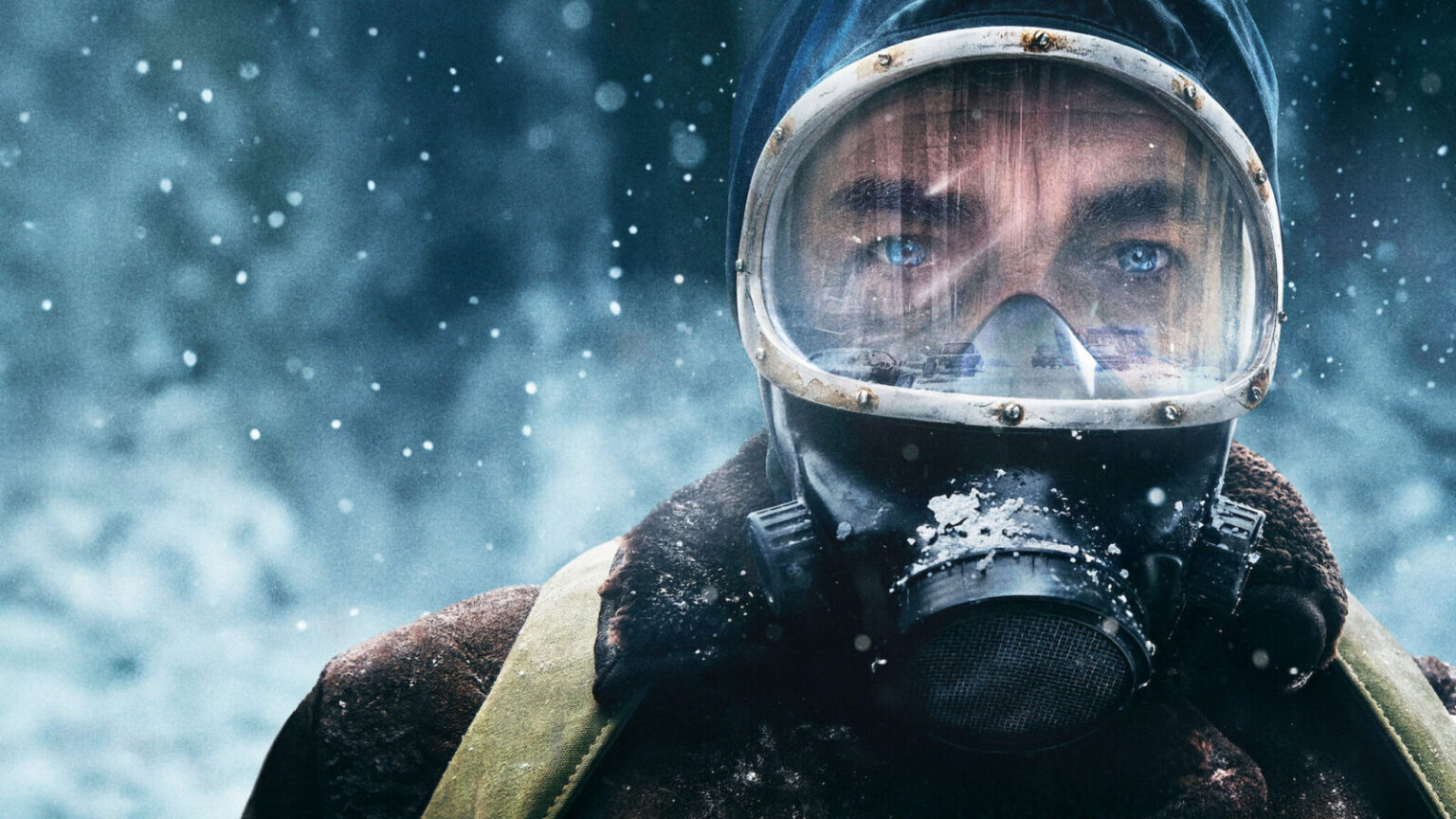
Showrunner Bruno Stagnaro leans into the pacing. The first episode is quiet. Almost too quiet. You wait for the snow to come, and when it does, it’s not with a bang but a whisper. But then comes the creeping dread. The power’s out. Phones don’t work. People start to die. And suddenly, you’re watching a group of survivors — led by Ricardo Darín’s quietly heroic Juan Salvo — building suits out of plastic bags and aluminum to step outside.
It’s horrifying, in the same way Chernobyl was horrifying: not because it’s loud, but because it’s calm. Rational. Measured. The kind of survival you recognize from real life. It’s all too plausible. Too close.
Visually, The Eternaut is astonishing. It weaponizes silence and stillness. The falling snow becomes a death shroud. Streets littered with frozen corpses. The interior of apartments, suffocating with silence. Gastón Girod’s cinematography and Pablo Accame’s VFX feel less like spectacle and more like mourning.
The imagery isn’t just pretty — it’s poetic. One scene, with a man scraping snow from his boots indoors, is more tense than most modern action sequences. And the production doesn’t need to overcompensate. It knows when to let a moment hang. When to let the viewer stew.
There’s more going on here than toxic precipitation and aliens. The Eternaut is about systems breaking down. But more crucially, it’s about what people do when they break down.
You see community. You see selfishness. You see fascism sneak in through the cracks. It’s not subtle — especially as later episodes hint at military responses, betrayal, and ideological fault lines. But it doesn’t need to be. This is a story born of protest. Of grief. Of survival in a world that already tried to erase its author.
In this way, The Eternaut stands alongside other recent slow-burn genre greats — The Last of Us, Station Eleven, Silo. But where those shows often end in neat arcs or catharsis, The Eternaut refuses closure. It leaves you raw. Just like the snow, it lingers.
So much of the show’s success rests on Ricardo Darín, who brings quiet gravitas to Juan Salvo. He’s not a superhero. He’s not a tortured anti-hero. He’s a man who shows up — and that’s radical, in a world falling apart.
You believe him. You follow him. And when he cracks, you feel it. The emotional center he provides is essential, especially in a series that can sometimes feel emotionally muted. His presence gives The Eternaut its soul.
The Eternaut isn’t bingeable in the traditional sense. It’s a series you absorb. One you process. One that makes you sit with things, like how fragile our systems are. Like how close we are to the edge.
And when it ends, it doesn’t really feel like it ended. Because the world it leaves you with — a world of silence, survival, and soft-footed apocalypse — looks suspiciously like ours.
The Eternaut is a profound, slow-burning sci-fi parable that elevates its genre with political bite, haunting visuals, and rare emotional intelligence. It’s not for everyone — but it is for anyone who’s ever wondered what they’d do when the world quietly ends.