
Every year we do this little ritual where we celebrate the greats. The masterpieces. The games that remind us why we put up with day-one patches, storage management, and hardware that sounds like it’s preparing for liftoff. But there’s another tradition I hold just as dear: staring into the abyss. The pile of games that landed with a thud in 2025, stared up at Metacritic’s cold green numbers, and collectively asked, “So… we good?”
Spoiler: no. We were not good.
2025 had some absolute bangers, sure. But it also gave us a rogues’ gallery of releases that ranged from confused to unfinished to deeply cursed. And while I’ll defend the idea that liking a “bad” game doesn’t make you wrong—taste is weird, joy is personal—there’s something fascinating about consensus disappointment. When critics from all corners independently agree that something went sideways, it’s worth poking at the wreckage.
So here we are. The ten worst-reviewed games of 2025 according to Metacritic. Not the most boring. Not the most forgettable. The ones that actively made people sigh, groan, or quietly uninstall.
Let’s go!
Fast & Furious: Arcade Edition feels like the most predictable entry on this list. A budget-priced port of an already forgettable arcade racer, it arrives with all the finesse of a missed gear shift. There’s a version of this game that works if you’re standing in a loud arcade with a plastic wheel and zero expectations. On a console, at home, with time to think? The illusion collapses fast. It’s shallow, awkward, and somehow less exciting than dropping actual quarters into the original cabinet.
Then there’s Glover. Again. The return of a game that has always felt like a prank pulled on the N64 generation. This 2025 port doesn’t meaningfully modernize anything, which would be forgivable if the core game had aged gracefully. It hasn’t. Glover remains a strange relic that answers a question nobody is asking, and its low Metascore feels less like a judgment and more like an inevitability.
Scar-Lead Salvation tries to ride the wave of roguelike shooters with anime flair, but ends up faceplanting hard. The problem isn’t ambition—it’s execution. Everything feels basic, overpriced, and oddly lifeless, like a checklist of genre features glued together without understanding why Returnal worked in the first place. More reviews dragged it down, and honestly, that tracks.
Ambulance Life: A Paramedic Simulator sounds noble on paper. Save lives. Respond to emergencies. Experience the chaos of frontline medical work. In practice, it’s clunky, ugly, and haunted by AI-generated dialogue that sucks any humanity out of the experience. When a game about saving people feels sterile and awkward, something has gone very wrong.
Tamagotchi Plaza on Switch 2 might be the most quietly depressing entry here. A sequel that plays like a cheap mobile game, packed with repetitive minigames that feel designed to waste time rather than spark joy. The Tamagotchi brand deserves better than this limp, soulless cash-in.
Gore Doctor is one of those games you only learn about because it failed loudly. A horror title plagued by technical issues and miserable controls, it seems to exist primarily as a warning to others. Sometimes ignorance truly is bliss.
Spy Drops hurts because you can see the intent. Someone wanted to channel classic Metal Gear Solid vibes. Instead, they delivered a stealth-action mess with a bad camera, busted AI, and bugs that sabotage any tension it tries to build. It’s a reminder that homage without craftsmanship is just cosplay.
Blood of Mehran lands even harder. Nearly every critic lined up to say some version of “don’t play this.” An action game inspired by Prince of Persia, stripped of fluidity, charm, and competence. At a certain point, piling on feels unnecessary. The Metascore says enough.
Fire Emblem Shadows might be the most controversial inclusion, simply because of the name attached. A mobile-only experiment that smashes Fire Emblem together with social deduction mechanics, then buries any decent ideas under free-to-play nonsense and thin content. When the best advice is “just play Among Us instead,” something has gone deeply off-brand.
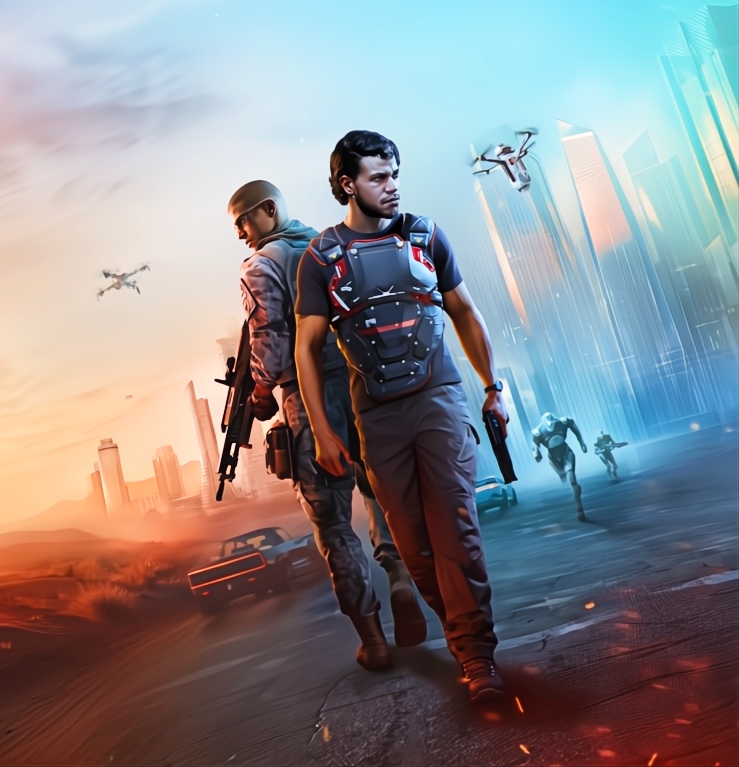
And then there’s MindsEye. Sitting at the bottom with a Metascore that feels almost performative in its cruelty. This is the one people laugh at, not because laughter is kind, but because sometimes that’s all you can do. Whatever MindsEye was trying to be, it didn’t get there. The reception wasn’t mixed. It was unified. And brutal.
What makes lists like this interesting isn’t schadenfreude. It’s context. Great games shine brighter when contrasted with misfires. And even the worst games of 2025 tell us something—about rushed development, misplaced ambition, trends chased too late, or ideas that never found the right execution.
If you loved one of these games, genuinely, that’s fine. Treasure that joy. But from a critical standpoint, 2025’s basement is crowded, and the floor is cold.
The worst-reviewed games of 2025 aren’t just bad; they’re instructive. Each one represents a different way things can go wrong, from lazy ports to misguided experiments. Together, they form a cautionary tale about respecting players’ time, money, and intelligence.